
My notes app is full of "good ideas," yet they often never see the light of day. The truth is, most ideas don’t fail because they’re bad — they fail because they aren't clear, organized or strong enough to go anywhere. They start as quick bullet points and half-sentences that you jot down in hopes that they don't lose their spark.
But coming up with ideas isn't the hard part — we are bombarded by ideas every day whether we know it or not. It's about harnessing them and turning those scattered thoughts into something coherent before momentum disappears.
For years, I made one critical mistake: I tried to organize, clarify and strengthen one idea all at once. Most days that feels impossible. It’s why you end up rewriting, redoing or worse, leaving your ideas in the same state they came to you.
To solve this, I built the "3-Layer Rewrite." No, the AI doesn't write ideas for you. It separates the thinking to help you truly flesh them out. Here's how this prompt works with any chatbot.
Step 1: Structure the chaos
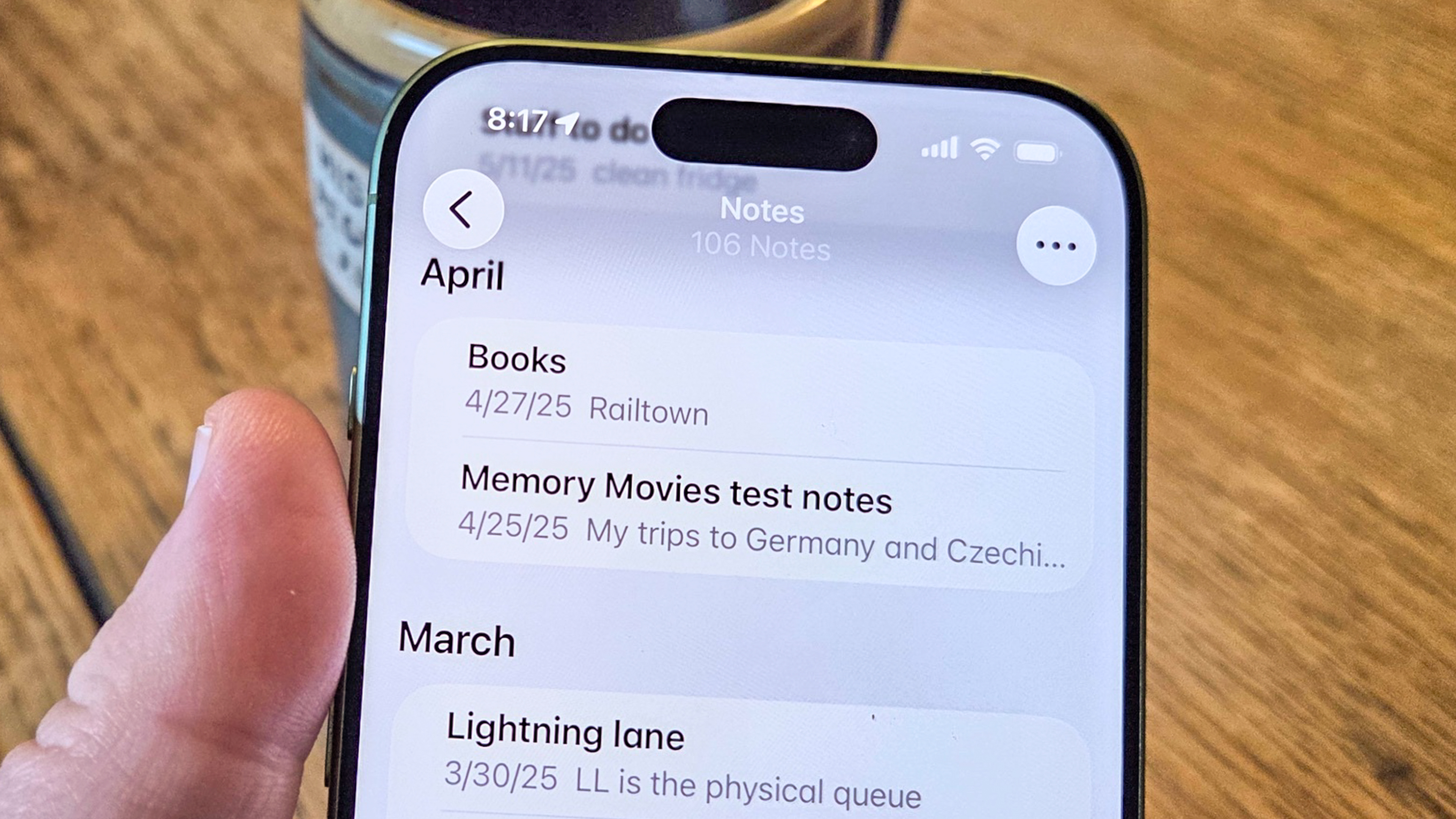
Take the messy notes on your sticky notes, notes app or handwritten in a journal and use this first pass to organize them. This is not a full polish or even something that you would even show anyone else. This stage is simply collecting them so you can use a prompt that forces the AI to be a pattern recognizer (not a writer).
Use this prompt: "Organize these notes into a logical structure. Group related ideas and suggest a clear progression. Do not rewrite for tone — focus only on the architecture.
Maybe the ideas don't connect or even "go together," but you'll find out with this simple prompt that helps you see what the main them actually is and where the natural sections live.
You'll notice the chatbot's output is not final, but it's the skeleton that makes the next layer possible.
Step 2: Clarify

Now that you have your ideas structured or grouped, you're in a clarifying layer so you can determine "What is this actually about?" In this phase, you're specifically looking for the core-theses. What is the signal hidden in the noise? Luckily, it's not you that needs to do the work to find it. If you've been staring at your ideas this long, you may not find it anyway. That's where this prompt comes into action.
Use this prompt: "Based on this structure, identify the core thesis. What is the main argument? Where is the tension? What specific problem is this solving?"
This step is critical because sometimes the idea you thought you were writing isn't actually the strongest angle. This layer sharpens the "why this matters" and turns a collection of thoughts into a singular, sharp point.
Step 3: Strengthen the argument

Only after the structure and clarity are locked do you move to refinement. In this final stage, you adopt the mindset of the Critic. Your goal is to stress-test the logic and raise the stakes of the conversation. Instead of asking the AI to "make it sound better," ask it to find the holes. In other words, where does the argument feel weak? What objections would a skeptical reader have?
By asking these types of questions, you expose gaps in your reasoning and tighten the framing. This layer matures the idea not through flowery prose, but through intellectual rigor, ensuring that by the time you're done, you aren't just looking at notes—you're looking at a bulletproof argument.
Use this prompt: "Be my toughest critic. Don’t polish the writing. Find the holes: weak logic, missing evidence, vague claims, likely reader objections, and where the stakes aren’t clear. Then give me a stronger thesis and 3 concrete upgrades to make the argument bulletproof. [PASTE HERE]"
The takeaway
In 2026, content is cheap. Log on any platform and "content" is vying for your attention at every corner. But structured thinking is rare. From what I can tell, the mistake most people make with AI isn't using it too much; it’s using it too vaguely. When you ask a model to "make this better," you get a muddy blend of middle-of-the-road writing.
When you separate your draft into these three layers, you reduce your cognitive load. It's nearly impossible to architect, clarify and defend an idea in a single pass. By separating the task into smaller jobs with the help of AI, the process feels lighter, the output becomes sharper, and those 11:47 p.m. notes actually stand a chance of reaching the world.
Give it a try and let me know what you think in the comments.

Follow Tom's Guide on Google News and add us as a preferred source to get our up-to-date news, analysis, and reviews in your feeds.