
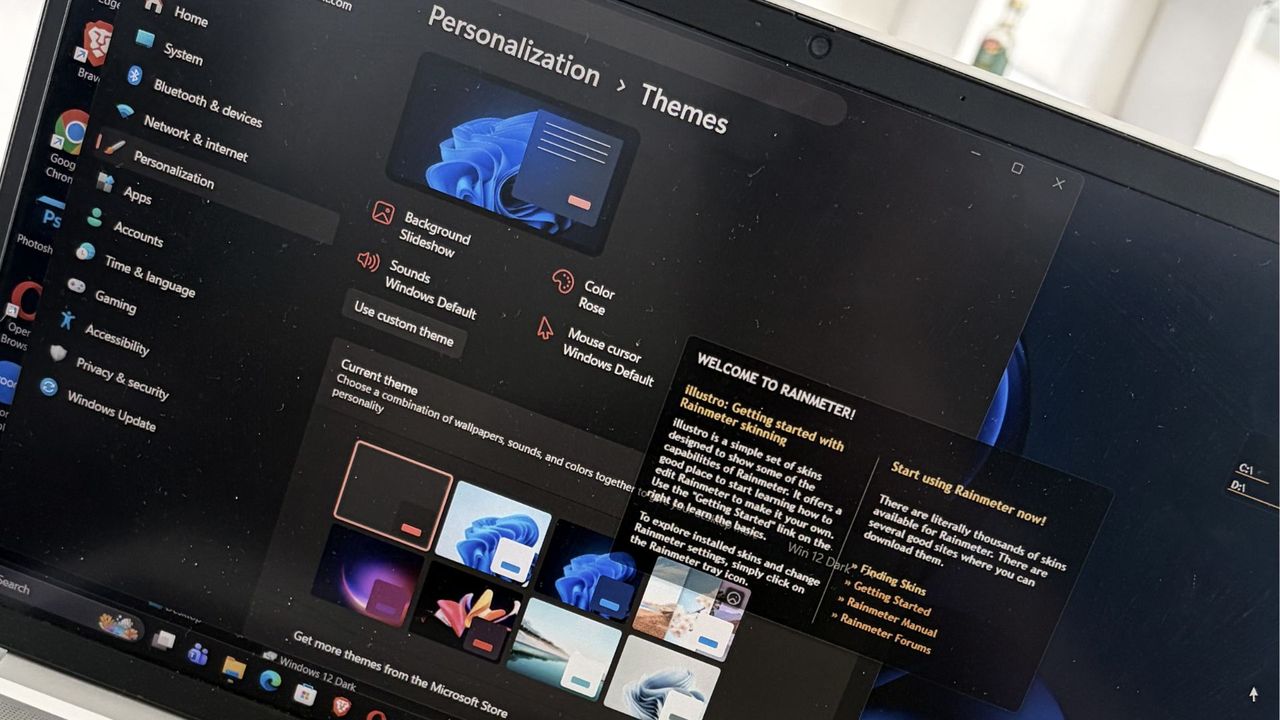
Microsoft has undoubtedly struggled to drive user interest in Windows 11 since it shipped in October 2021. This can be attributed to a wide range of reasons, but if the complaints lodged on social media are anything to go by, we can narrow down Microsoft's stringent hardware requirements and flawed design elements.
The end of Windows 10 appears to have shifted momentum in Microsoft’s favor, with Windows 11’s market share climbing steadily. Still, many users remain vocal about their dissatisfaction, citing a lackluster user experience and, in some cases, even considering a move to alternatives like Linux. Microsoft’s aggressive integration of ads throughout the operating system has only fueled further frustration.




