
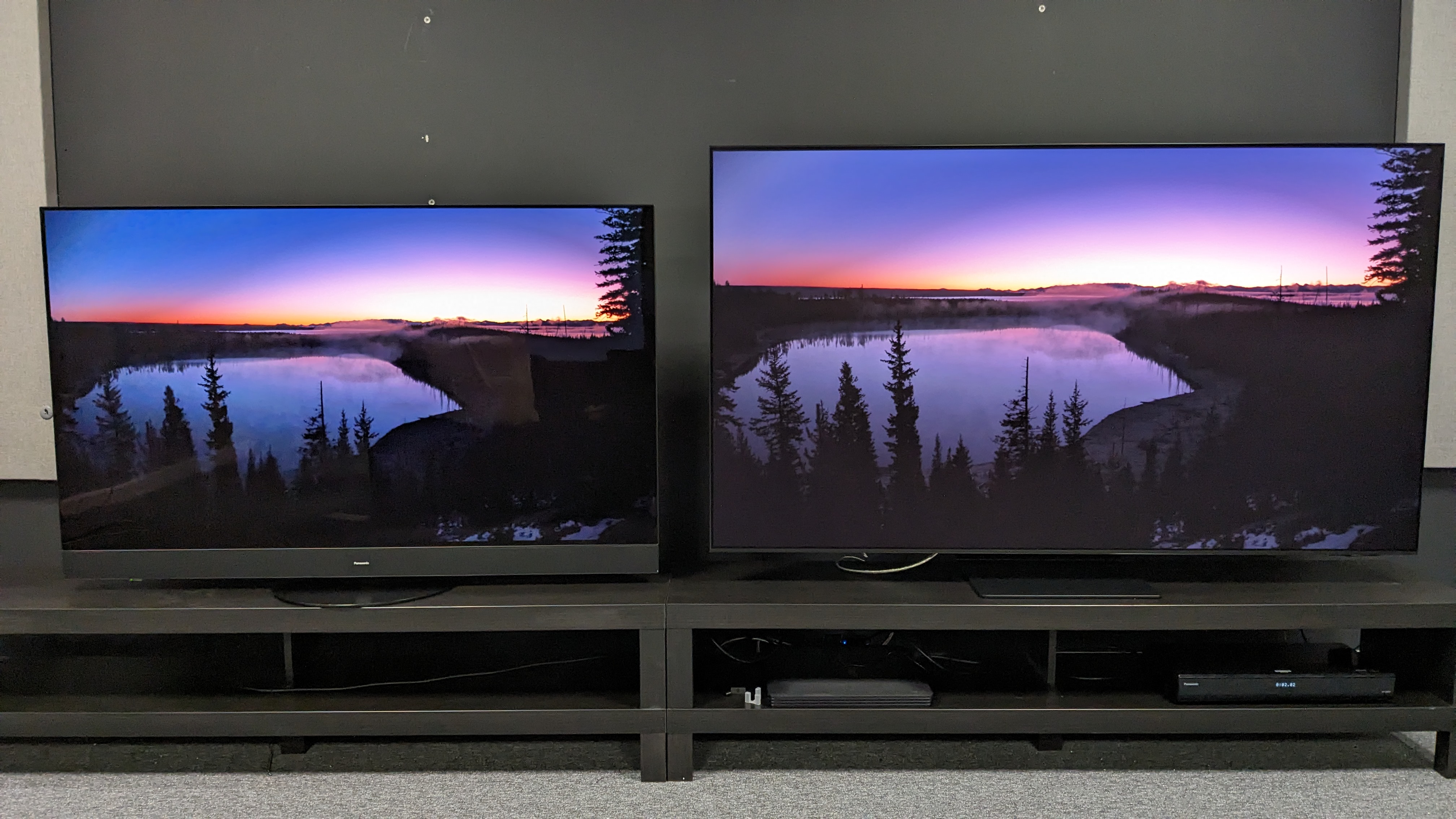
OLED is a much sought-after display technology in consumer products ranging from phones to TVs. OLED TVs are consistently ranked as the best TVs, thanks to their unparalleled contrast, steadily improving brightness with each new generation of sets, dynamic color and refined detail. However, there is one area where OLED TVs suffer: reflections.
The pixels in an OLED display individually dim as required, making them capable of greater light control than LED and mini-LED TVs, which use a separate backlight. But OLED TVs have also lacked brightness compared to mini-LED TVs, and their dimmer screens mean reflections can become a real issue. In recent years, brightness-boosting micro-lens-array (MLA) tech has been introduced into some of the best OLED TVs such as the LG G3 and Panasonic MZ2000 to limit reflections. And while MLA has helped OLED TVs to become brighter, reflections remain a problem.












