Get all your news in one place.
100's of premium titles.
One app.
Start reading
Ideal Home
Ideal Home
Rachel Wait

I switched to a smart kettle to avoid wasting energy six months ago, and this is how much I actually saved

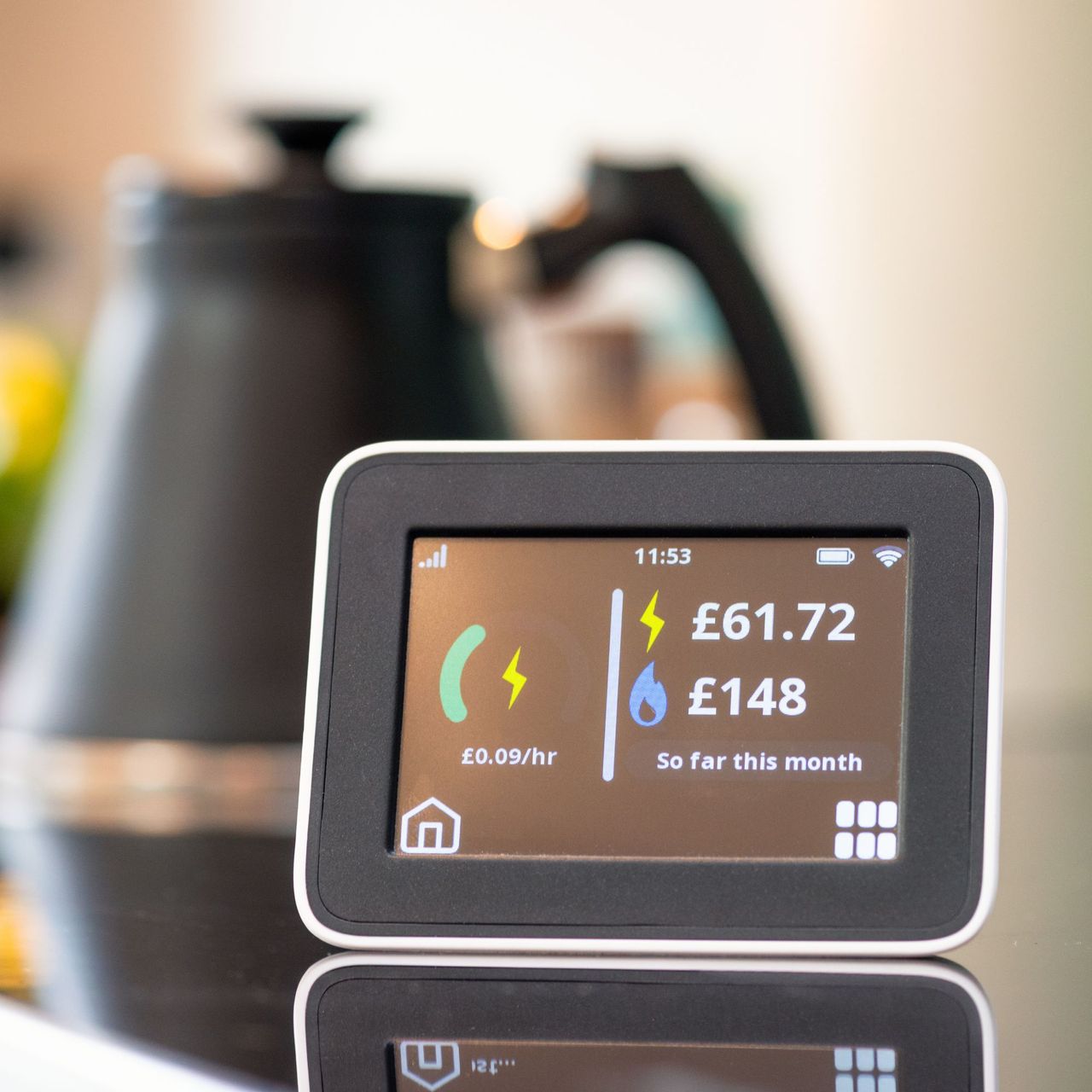
Smart energy meter on a kitchen worktop with a black and copper kettle in the background.

Working from home (as I do) comes with a raft of benefits, such as saving money on commuting costs. But it has also meant that I'm using more energy than I would if I were in an office, which means higher energy bills.

So that means I do what I can to save energy at home, and try to make energy savvy choices. One habit I initially hadn’t paid much attention to was how often I was boiling the kettle. My husband and I both work from home and between us we drink around eight to 10 cups of tea and coffee each day - often at different times. This means the kettle is pretty much constantly being boiled throughout the day.

After watching my smart meter turn red every time the kettle was switched on, I decided it was time to invest in a new kettle, a smart one with a keep-warm feature, to see if it would reduce our energy bills in any way. I ended up plumping for the Xiaomi Smart Kettle 2 Pro (£43.99 at Amazon). While it was a bit of an investment, I was hopeful it would save me money in the long run.

Why did I opt for a smart kettle?

(Image credit: Future PLC/ Rachel Wait)

The switch to a smart kettle made sense because my husband and I boil the kettle several times a day and we don’t always use it particularly efficiently.

I can fill my smart kettle with water, boil it and then keep the water warm for a few hours, so there’s no worry about using more water than I need or wasting energy.

Plus it’s convenient to simply top up my mug straight away, rather than waiting around for the kettle to boil each time I want a cuppa.

How does the smart kettle help reduce energy usage?

(Image credit: Future PLC/ Rachel Wait)

Different to a conventional kettle, smart kettles keep the water it contains at a set temperature, so you don’t need to regularly boil the water from scratch, reducing the amount of energy consumed.

Once the kettle has boiled, you simply select the temperature on the kettle screen or through an app, and the water remains at this temperature for as long as you need it. While the most cost-effective way to use a kettle is to only boil the water you need, with a smart kettle, you could boil a full kettle once, and use less energy to keep it warm (than bring it to the boil).

‘Smart kettles are the next generation of electric kettles, equipped with Wi-Fi or bluetooth connectivity that allows them to be controlled remotely through an app on your phone,’ says Scott Byrom, energy expert at The Energy Shop.

‘Your standard kettle simply boils water to 100ºC every time, whereas a smart kettle introduces precision settings and automation that helps tackle the biggest sources of energy waste in the kitchen.’

With my kettle, the keep-warm temperature can be set between 40ºC and 90ºC, making it ideal for different drinks. According to the UK Tea & Infusions Association, the ideal water temperature for brewing is 90-98ºC for black tea and around 80ºC for green tea.

What difference has it made to my energy bills?

As much as I was hoping for a sizable reduction in my energy bill, the reality is the savings have been a lot smaller. But at a time when energy prices could start to creep back up, even small savings count.

My previous kettle used around 3kW of electricity, and boiling half a kettle of water took around a minute and a half. My current electricity rate is 25.40p per kWh, working out at roughly 1.9p a boil. Using it six times a day would cost about 11.46p.

By contrast, the new smart kettle consumes 1.5kW of electricity, but it takes longer to boil. Half a kettle of water takes around 2.5 minutes to boil, costing about 1.6p a time.

On its own, this doesn’t save much, but the difference comes from the keep-warm function. This uses around 30W of electricity, costing around 0.76p an hour. If I keep the kettle warm for three hours a day, that’s around 2.29p.

Because I am not waiting for it to reboil each time, I tend to boil the kettle only three times a day, rather than six. That brings the total cost to around 7.09p - a saving of around 4.4p a day, £8 for the six months I've been using it or £16 a year compared to my old kettle.

Those savings are potentially boosted by no longer overfilling the kettle and boiling water I won’t use.

‘If your household boils the kettle 10 times a day and habitually overfills by just one cup each time, that wasted energy adds up considerably over a year, reaching up to £40 - £50 annually,’ says Scott.

Was the kettle worth it?

While the savings aren’t huge, there are other benefits to having a smart kettle. For a start, it means I can grab a quick cuppa after the school run without hanging around waiting for the kettle to boil. It’s also useful when we have family over who often ask for hot drinks at different times.

Overall, I don’t regret buying a smart kettle. But whether it’s right for you will depend on your situation. If you work from home and the kettle is always boiling, a smart kettle has its benefits. But if you only boil the kettle a couple of times a day, the savings you could make are unlikely to be worth making the switch.

Sign up to read this article
Read news from 100's of titles, curated specifically for you.
Already a member? Sign in here
Related Stories
Top stories on inkl right now
One subscription that gives you access to news from hundreds of sites
Already a member? Sign in here
Our Picks
Fourteen days free
Download the app
One app. One membership.
100+ trusted global sources.