
In recent years, I have travelled extensively with my camera. When I think about my photography and the images I make, I have learned that the real shift happens in my head and has very little to do with geography.
It is not the destination that sharpens my looking, but the jolt of dislocation. Alain de Botton writes in The Art of Travel that stepping into a new place forces our senses awake. Colors lift, small details stand out, and the banal can become oddly beautiful. Most photographers know this feeling. You arrive somewhere new, and your visual awareness becomes acutely aware of everything. Even an electric meter, or a garbage can, can look photogenic.
This made me curious about how much of that effect is psychological rather than environmental. So I tried an experiment. I tried to photograph my own neighborhood as if I had flown halfway round the globe. It worked embarrassingly well.
The trick was not distance but my attention. The moment I pretended to be a stranger, the familiar opened up. The street I walk every day began to reveal small dramas and quiet textures that I hadn’t really noticed for years.
Even though I live in a photogenic city, Bath, I mostly ignore the Georgian crescents on the school run or while walking to the shops. I rarely register the shop windows and their reflections, the door knockers or the way light hits the golden stone. These are exactly the kinds of details that, when I am wandering the streets of an African port or a dusty town in South America, I find myself transfixed by.
This experiment reminded me that looking is a practice, not a reflex. Dislocation helps because it jolts us into paying attention, but we do not need to fly halfway round the world to achieve that shift. We need only the willingness to approach the familiar with the same curiosity we reserve for the far-flung corners of the world.
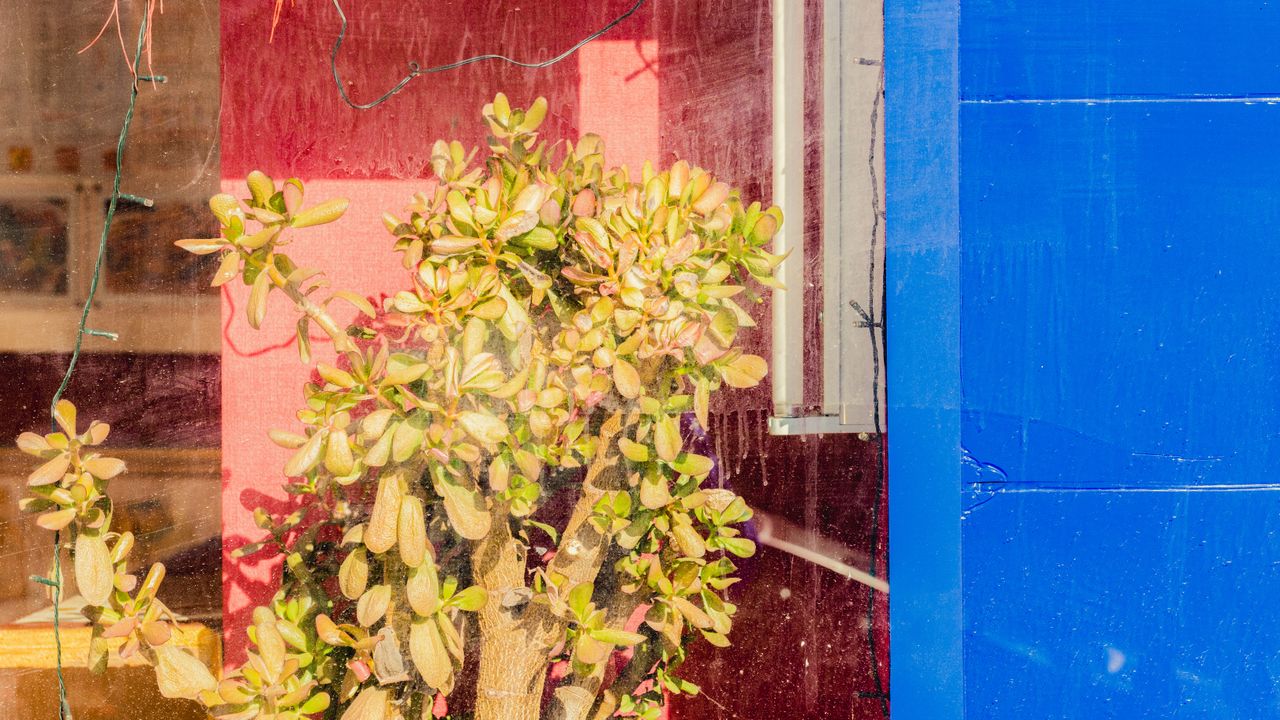
When I slowed down and treated my neighborhood with the respect I usually give to foreign streets, I found images everywhere. Not spectacular ones, necessarily, but honest ones, like this image of a shop window on the London Road in Bath (see above).
Perhaps what travel teaches is not how exotic the world is, but how inattentive we can become. The art of looking, seeing and noticing begins at home.