
Get all your news in one place.
100’s of premium titles.
One app.
Start reading
Homes & Gardens
Homes & Gardens
Chiana Dickson

I Never Thought Vintage Pans Would Be The Perfect Replacement For Toxic Non-Stick Cookware Until This Expert Proved Me Wrong – This is What You Need to Know When Thrifting

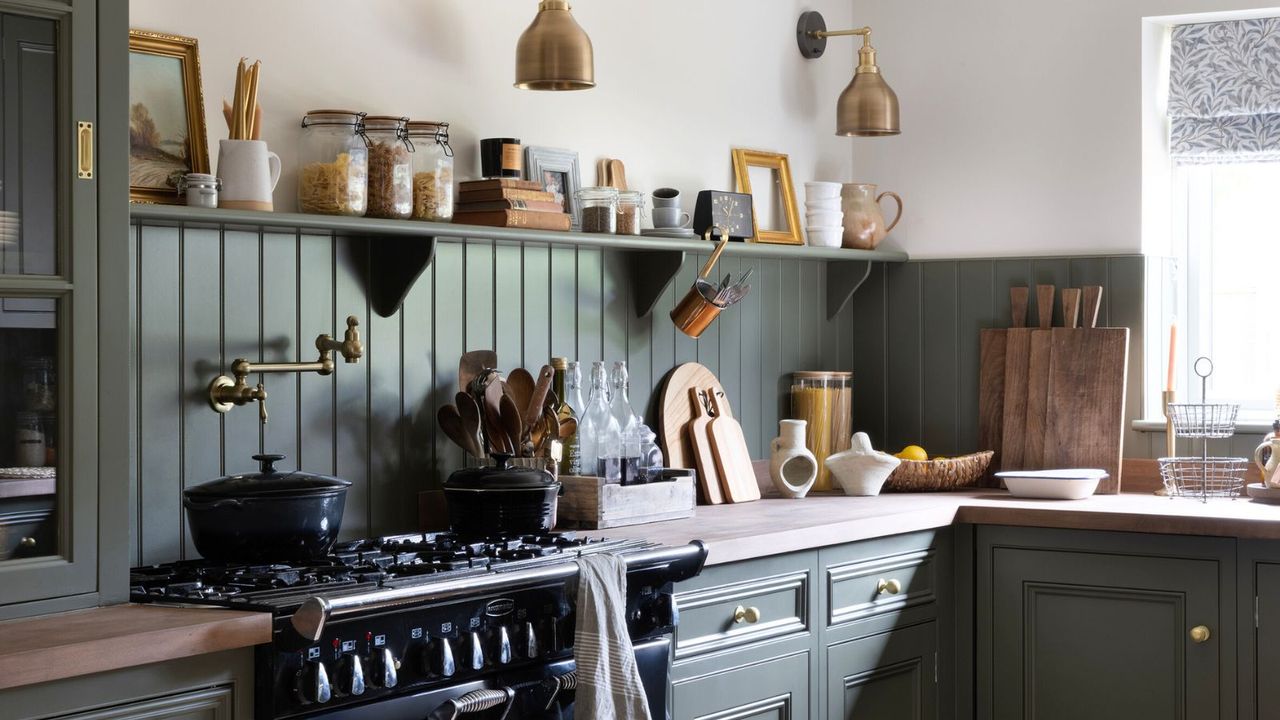
The best cookware in a rustic kitchen with green panelled backsplashes and matching cabinets, an old gas stove, and kitchen decor on shelving. .

The last place I would consider looking for new cookware is the thrift store – especially when curating a non-toxic cook space.

But one morning, it struck me: Much of today’s concern around cookware centers on PFAS-based non-stick finishes – forever chemicals that only became widespread in the mid-20th century. Would this mean that older pans actually make for some of the best non-toxic cookware?

I put the question to the experts, and it turns out I was onto something. Here’s why vintage cookware can be a surprisingly solid investment for a healthier kitchen, and the specific thrifting guidelines to follow to avoid any hidden hazards along the way.

Why Vintage Pans Can Be a Smart Choice For a Non-Toxic Home

When creating a non-toxic home, the kitchen is a smart place to start. While there are plenty of modern, non-toxic appliances and cookware, they can come with hefty price tags due to concerns about overproduction. Thrifting vintage pieces can help with both of these, while adding character to your kitchen. Plus, for many non-toxic pans, such as the best cast iron pans, with age comes better-tasting food and improved performance.

When choosing the best cookware, Robert Lu, co-founder of Magnifique, and a materials expert with over 30 years of experience in developing cookware and kitchen appliances, explains, 'I think an important question consumers need to ask themselves is “What was this made to do?” Vintage cookware was made in a time when things were built to last, and disposability wasn’t a part of the equation. Many pieces were made from single, natural materials that didn't rely on synthetic coatings to function.

'In modern times, with the introduction of non-stick technology for convenience, to make "cooking and cleaning easy," most coating materials are applied on cheaper materials, such as aluminum.

'Aluminum can transfer heat quickly, meaning it cooks your food quickly, but it's very hard for consumers to know how long the "non-stick" coating can last. When will the aluminum be exposed to the food after the "coating" material is vaporized under heat, or scratched from utensils? When these coatings scratch, degrade, or are overheated, performance and safety can change.'

Le Creuset is a wonderful brand to buy second-hand, so long as it is clean and undamaged. (Image credit: Crate & Barrel)

Shopping vintage makes it easier to source cookware that is made from natural materials, too, Robert adds. 'Terms like “non-toxic” are often loosely defined and regulated, which can make it harder for consumers to know exactly what they’re buying,' he shares.

The other benefit to older, natural material cookware is that it can withstand more intensive cooking methods, and lasts longer despite the fact. According to Robert, the average modern non-stick pan is designed to last a year at most before it starts to degrade, creating unnecessary trash at home.

How to Pick Vintage Cookware

You should never thrift copper pans. (Image credit: Future/David Cleveland)

When swapping items in your home for thrifted pieces and selecting new cookware, there are a few rules you should follow to ensure you are not bringing other potential hazards into your home.

Robert advises, 'When picking vintage cookware with safety at the forefront, I recommend people focus on the material purity, being vigilant about unwanted contaminants, and its structural integrity or durability. I believe that cookware should be something that can last generations, rather than something that needs to be replaced often.'

To achieve this, he suggests looking for the following materials:

  • Glass cookware: It's non-porous, chemically stable, and easy to clean, so it's a great option for families.
  • Natural clay: This is where craftsmanship matters. Truly high-fired clay cookware, like that at Magnifique, is designed to be breathable and gentle in the way it cooks. Clay distributes heat softly and evenly, which improves flavor.
  • Stainless steel: It's stable, non-reactive, and easy to maintain.
  • Cast iron: Cast-iron pans are extremely durable and naturally non-stick once seasoned properly, but will need a little more maintenance and TLC to ensure they don't rust.

There are, however, some kitchen items you should never thrift, including any items with lots of burned debris on them, and copper pans.

Chris DeArmitt, PhD, president and founder at Plastics Research Council, shares, 'I was planning to buy some beautiful copper cookware until, as a PhD chemist, I checked the science and discovered that copper is toxic above one part per million concentration.' In particular, advises Chris, this toxicity is especially released by cookware when cooking acidic foods, like tomato sauce.

'I have personally read scores of studies on this matter to be sure of the findings,' he adds. 'There is solid evidence that copper water pipes and pans can poison us, especially with acidic foods like tomato, vinegar, or wine.'

It is, therefore, not worth the risk or monetary investment, unless you plan to source them as thrift-store buys to decorate a kitchen only.

What to Shop

Don't fancy sticking to just vintage? Or want to show off your vintage investments in between uses? We have you covered:

Meet the Experts


No matter what you choose to outfit your kitchen, it's essential to brush up on how to clean and care for every type of cookware to keep it in top condition.

Sign up to read this article
Read news from 100’s of titles, curated specifically for you.
Already a member? Sign in here
Related Stories
Top stories on inkl right now
One subscription that gives you access to news from hundreds of sites
Already a member? Sign in here
Our Picks
Fourteen days free
Download the app
One app. One membership.
100+ trusted global sources.