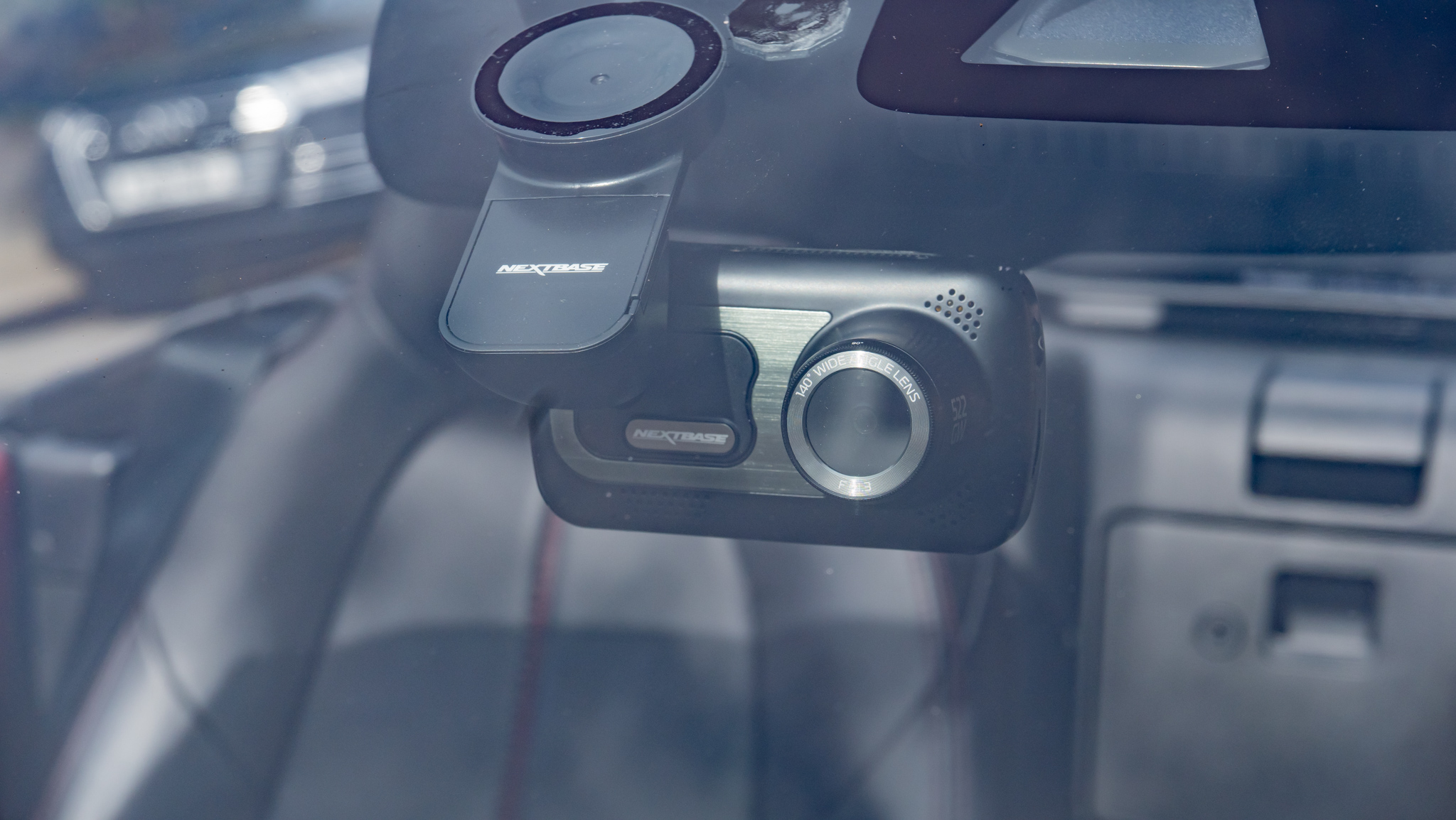
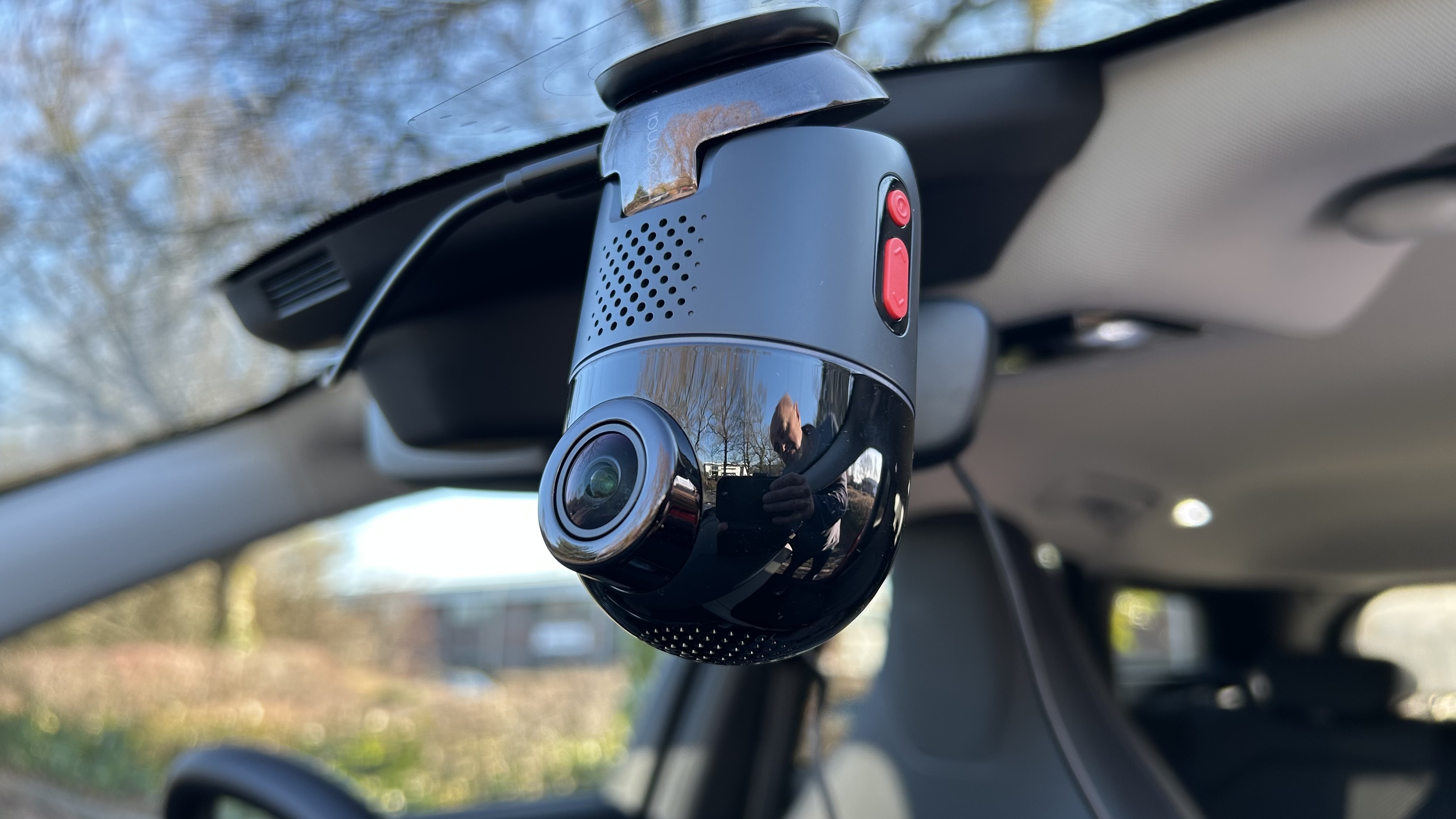
Should I hardwire my dash cam? That was something I never even thought about when I installed my first model a number of years ago. Back then, the most popular way of powering a dash cam was to plug it into a 12V power port, which was a standard feature in most vehicles. Even now, I still use a 12V power source if it’s available when I'm testing dash cams.
The great thing about this plug and play route is that I’m not stuck with the dash cam fitted to one vehicle. I test a lot of cars and dash cams too, so having that flexibility is mighty handy. The downside? Well, many of the best dash cam models come with a extra features and functions that only to work if the unit is hard wired into the vehicle.
Bryn Brooker, Head of Road Safety at Nextbase, agrees: “A dash cam is powered in two ways, either through hard wiring or by plugging in to the car's 12V power socket," he says. "Drivers may opt for the 12V because it requires a less thorough set-up; however, while a dash cam might not necessarily need to be hardwired, those who want to get the best out of their models should consider doing so."