
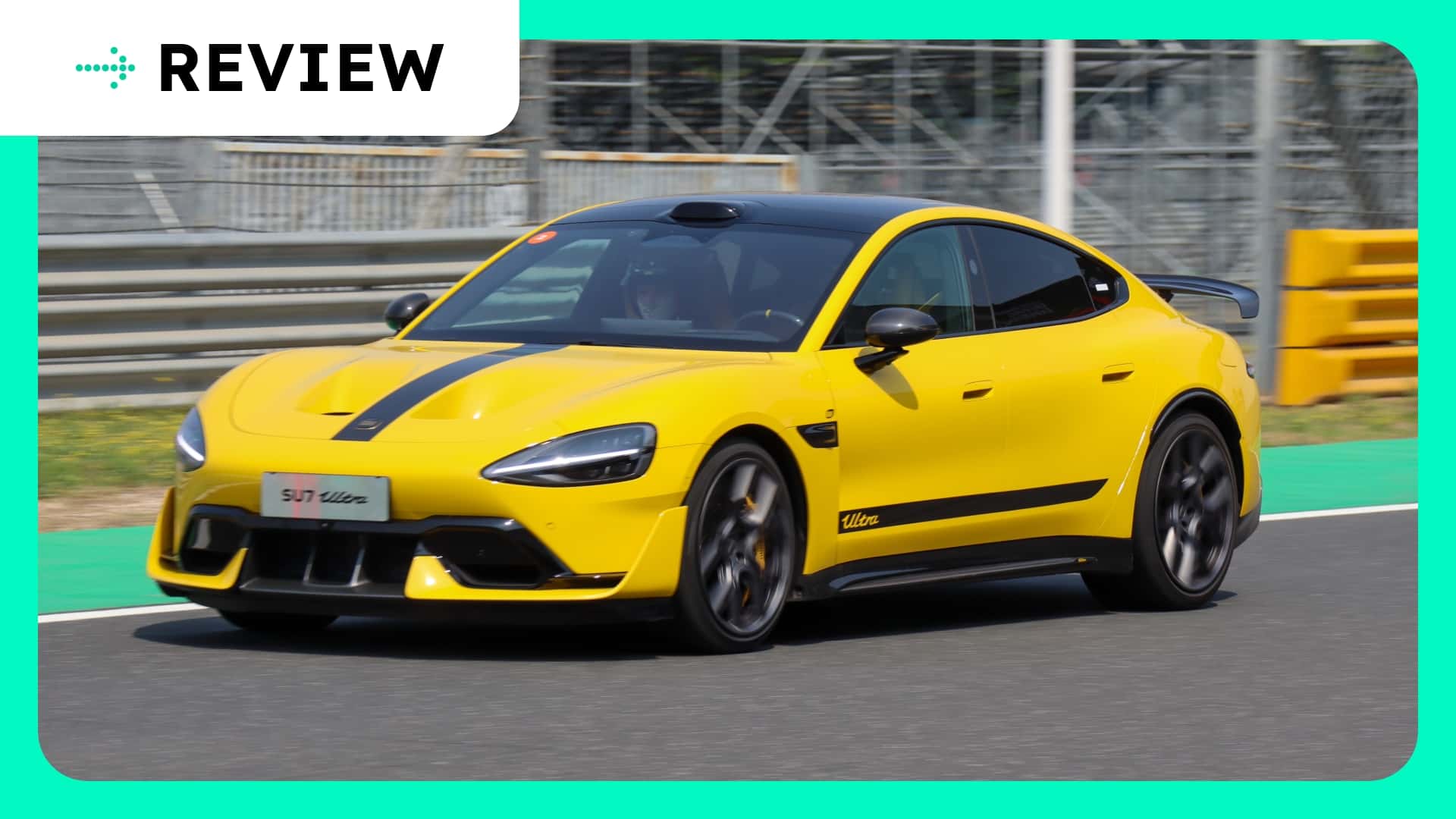
When Xiaomi founder and CEO Lei Jun announced his intention to build the high-performance SU7 Ultra electric sedan in 2024, he made it a point to say that while his car wouldn’t be cheap, it would be a cost-effective rival to Porsche, BMW, and Audi. It follows the classic Xiaomi playbook: creating high-tech devices that match those from bigger tech brands, but are accessible to a wider group of people. Sure enough, within weeks, the 1,500-horsepower, super-powered car would be available on China’s car market for about $75,000 before any options. On paper, it looked to match or beat supercars like the McLaren Artura for less than a quarter of the price.
But I wanted to know: Is it any good? Chinese cars have a reputation. Sure, they’re technologically advanced, taking the world by storm with their surprisingly strong value and quality. These cars are chock-full of features found on expensive models, but at a way lower price. However, when it comes to driving dynamics, things can be hit or miss. Some industry insiders claim that China just can’t tune a car, and that the country’s engineers don’t understand what goes into making a car fun to drive.