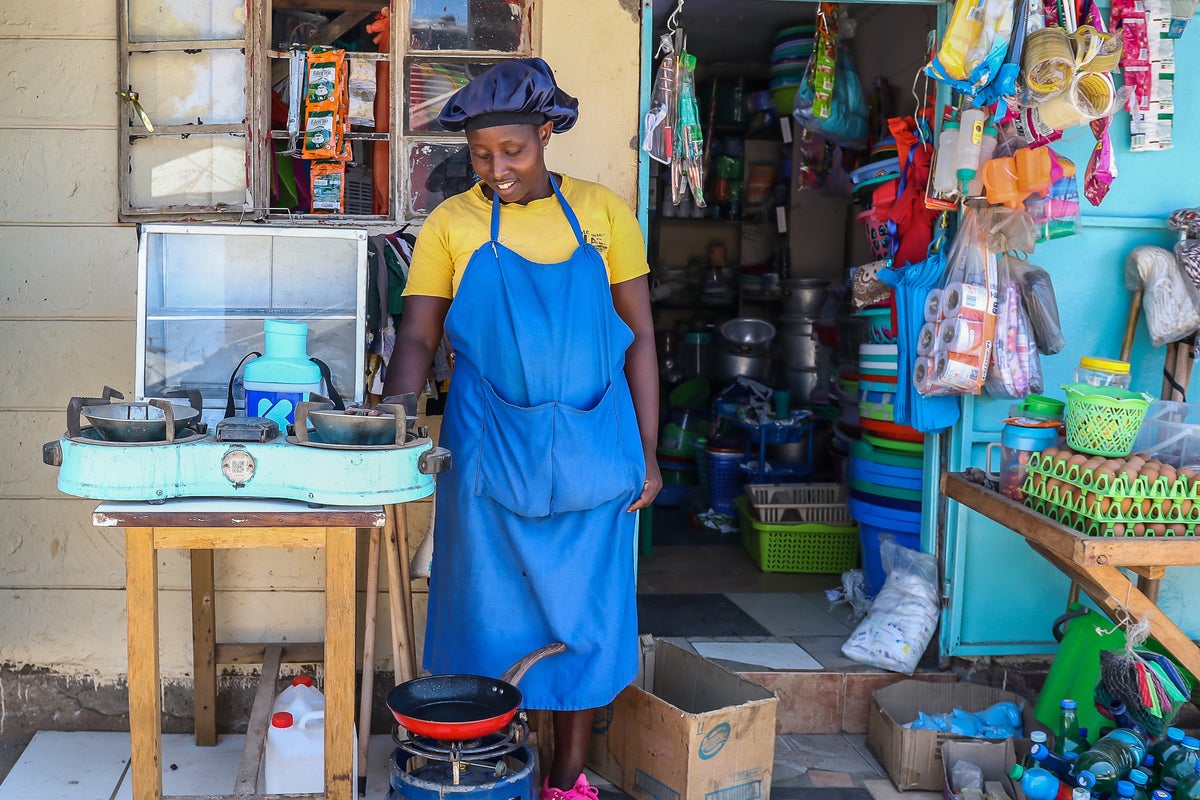
It was designed to be as simple as buying airtime: a quick tap on the dispenser, a few shillings and a cooking canister refilled. Now, more than 3,000 Koko fuel supply points across Kenya sit idle, with no fuel and no clear answers for the households that relied on them.
For more than a decade, Koko Networks helped shift over 1.5 million Kenyan homes without access to public gas systems away from smoky charcoal stoves to bioethanol, marketed as a cleaner, modern way to cook. The steady blue flame became a symbol of Kenya’s push toward cleaner household energy.