
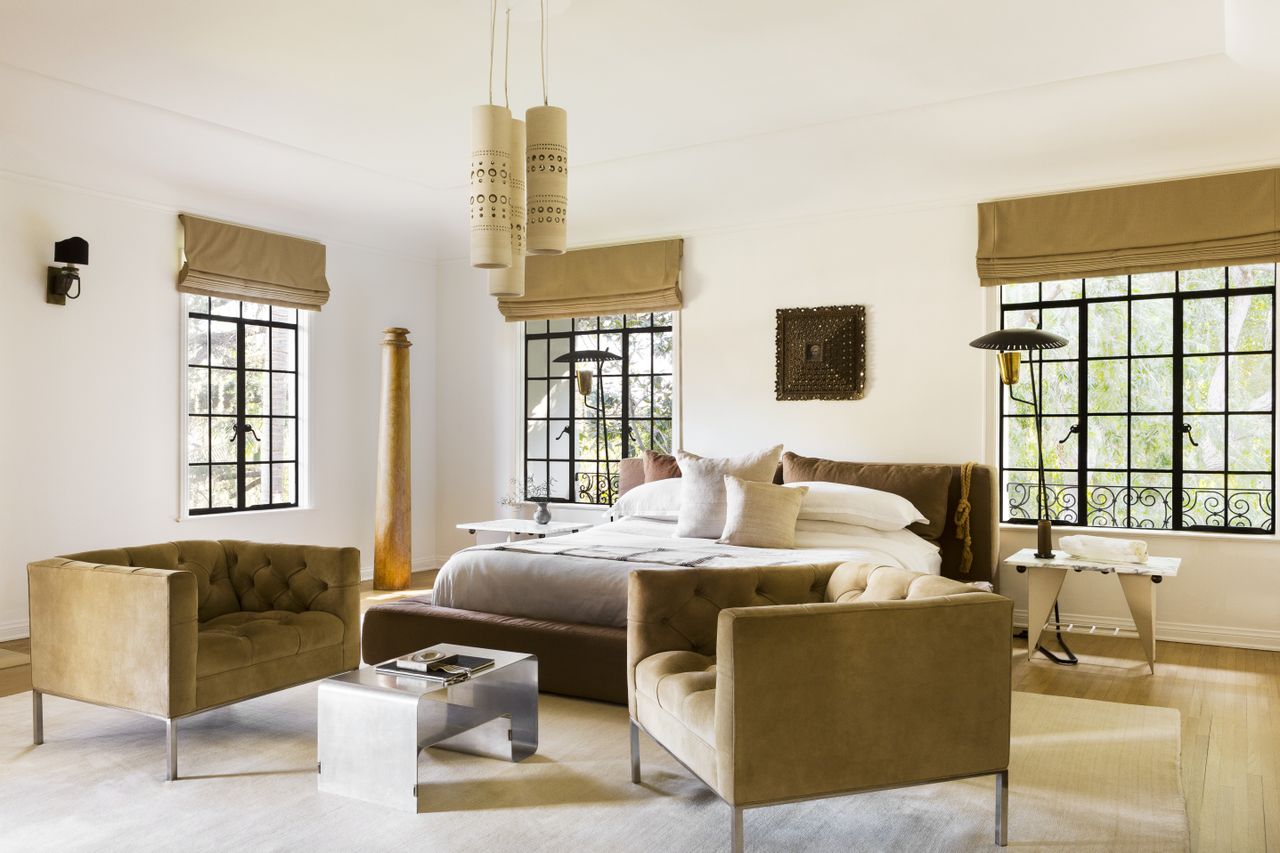
Nate Berkus is one of the most talked-about names in the design industry. A best-selling author, TV personality, and award-winning designer, he now marks 30 years of his eponymous design studio, proving he has the staying power to remain relevant through the ever-changing interior design trends and styles.
The key to this is his ability to design timeless spaces, those that are personal and champion the beauty of the past. "Home is absolutely about what we hold dear, from objects to memories, to a feeling," says Nate Berkus. "Things that remind us of where we’ve been, and what matters most to us."

With Nate's latest book, Foundations — his first in over a decade — recently published, offering readers his guide to timeless design, it signals a new era for the designer, and I was keen to find out how it all began, what matters most to him, and what's next.

How did your design journey begin?
My mom was a decorator, and she used to take me to antique malls when I was little. She taught me early on that old things matter — that objects have stories. That curiosity, that love of things with history, turned into a 30-year career that I’m grateful for every day.
What has been your career highlight/low point?
Moving to New York to host my NBC talk show was both an incredible opportunity and a challenge. I learned a lot, but being in a studio cooking chickens every day didn’t spark joy for me. There have been a lot of highs and lows over the years, and they’ve taught me a lot about resilience and leadership. Recently, publishing my book Foundations has been a career highlight. It’s the culmination of three decades of design experience, broken down room by room. The book encompasses all that I’ve learned over the last 30 years — and my hope is that it will give readers the tools to create a home that feels meaningful to them.
Nate shares his Four Tenets of Good Design to inspire you to create a space that is deeply personal.
What would you say are your key design influences?

My influences always come back to history, craftsmanship, and travel. I’m inspired by things that have stood the test of time — an 18th-century gilded mirror, a beautifully made piece of jewelry, a historic home. I’ve always loved French design from the 40s and 50s: rich materials, ornate lighting, patterned rugs, and iron details paired with a modern restraint. There’s a quiet luxury in that era that still feels grounded and livable.
Recreate the style with this vintage wrought iron candelabra for the perfect table centerpiece.
How would you describe your style?
Layered, collected, and always evolving. I believe great design tells a story and a room should feel authentic, lived-in, and deeply personal. A well-designed space for me is one that has been assembled over time, and truly reflects the people who live in it.
How do you choose a color scheme?

I always start with how I want the space to feel. From there, I use what I call my three-color formula: a soft, neutral shade on the walls for a timeless foundation; crisp white on the trim for contrast; and a slightly deeper tone on doors or window frames for depth. It keeps the palette cohesive while allowing the room to evolve naturally. I tend to gravitate toward warm neutrals because they pair beautifully with natural materials and collected objects.
This organic shaped decorative bowl would look perfect styled on a coffee table or console for a statement piece (that can also house extra clutter, too).
Do you have a favorite color?
Army Green or Oxblood.
Are there any particular materials/fabrics that you always use?

I have a deep appreciation for anything handcrafted — woven, carved, stitched, shaped by someone’s hands. And things that feel time-worn — marble, natural stone, brass and bronze…anything with patina.
What are your go-to accessories for a space?
Vintage pieces — think brass candlesticks, decorative boxes, whimsical objects with a story. I also always reach for books, whether layered on a coffee table or part of a library.
What's worth investing in?

This handmade vase will add a touch of Ikebana-style class to any decorative display.
I go into this in quite a lot of detail in my new book, Foundations, because I think design, and the concept of living well, is not always about something being expensive. It can be as simple as a set of crisp new sheets, or a £10 vintage accessory from the flea market that lives on your mantel.
Do you have a set approach for each project?

It’s really about understanding the client — who they are, and more importantly, who they aspire to be. What colors do they love to wear, where do they like to travel, and how do they want to live in the space? And from there, we gather imagery that weaves all those pieces together to start to tell a story.
What makes a 'home'?

I’ve always said: people, pets, things — in that order. Home is absolutely about what we hold dear, from objects to memories, to a feeling. Things that remind us of where we’ve been, and what matters most to us.
What's your favorite room in your home, and why?

The rich tones of this stylish walnut cutting board would work perfectly to contrast the lighter tones of a countertop and backsplash, as seen in this space.
The kitchen — hands down. It’s where we gather as a family and where life actually happens. It’s the room that feels the most alive. That and the laundry room. I can spend hours organizing in there; it’s definitely my domain.
Do you have a top tip for designing a home on a tight budget?
Start with a deep edit — organize drawers, clear surfaces, and rediscover what you already own. You’d be surprised how transformative it is when an old piece is reimagined in a new spot. And shop your local vintage or antiques mall; they are the best places to find unique, affordable pieces that will instantly add character.
What are you working on next?

I’m focused on bringing fresh energy to both my brand and myself. I want to keep pushing forward — as a trusted, timeless American designer, but also as a businessman, husband, and father. In many ways, this new chapter began with the launch of my book Foundations, and it will continue into 2026 with new design projects, collaborations, and a renewed sense of creativity.







