
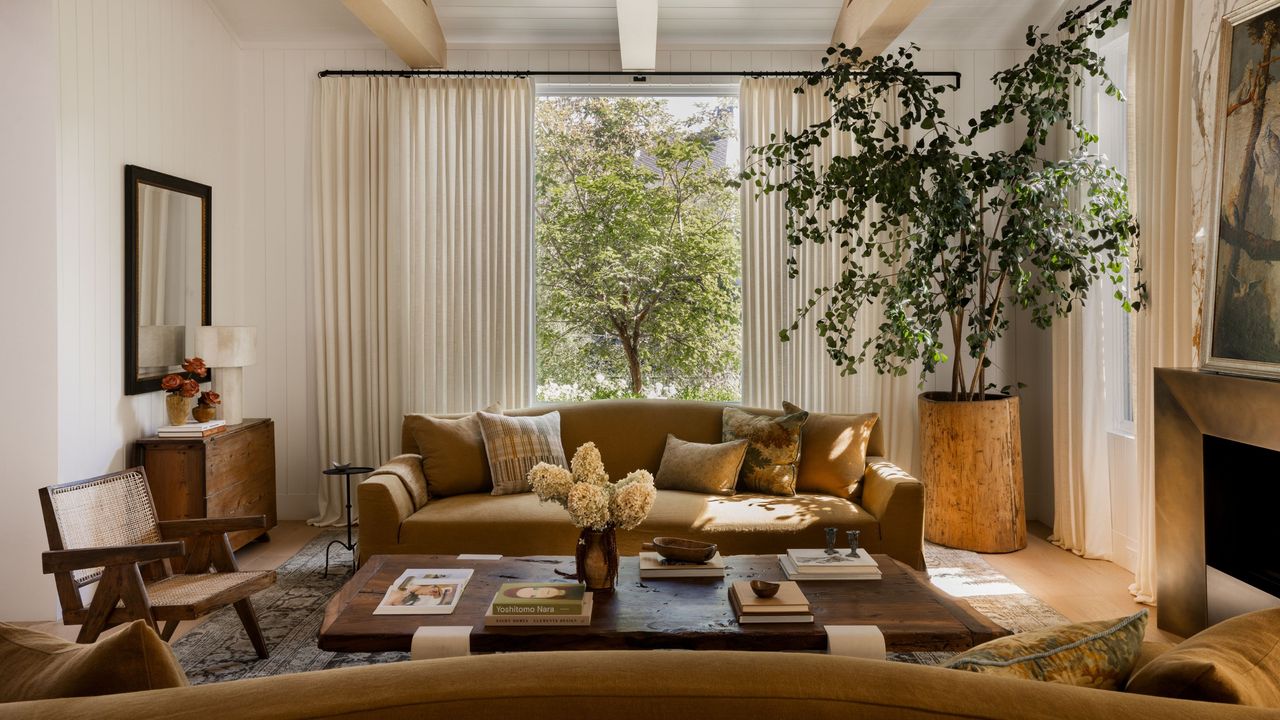
When it comes to furnishing a home, buying new might feel like the most reliable option — but designers would actually argue otherwise. From vintage pieces with built-in character to smart thrifted finds, the items that have already stood the test of time are often the ones worth investing in.
In fact, knowing what not to buy new can be just as important as knowing what you should. As more homeowners grow keen on learning how to source vintage — learning the best search terms, getting acquainted with their local markets, as well as designer signatures — there’s a growing awareness of where new pieces actually add value and where they fall short.

So I asked interior designers: what’s the one thing you’d never buy new again? Their answers might surprise you.
1. Rugs

The best rugs are often the cornerstone of any room, the inspiration point for a palette, and a soft landing place for everything else to build around. Yet many designers will always favor a vintage rug over a newly constructed one. Why?
“Vintage rugs have better craftsmanship and soul, which is impossible to replicate,” says Tara Miller, founder of The Heartland Interior Design. While a new rug can impart color, charm, and pattern, you can’t make up for the depth, patina, and story that come with vintage. “The love I have for vintage rugs runs deep, so I would dare to say that I would never buy a new rug again,” she adds.
2. Reproduction Antiques

Just as Tara shares, reproduction will never outshine the real thing — and the same can be said for antiques. Los Angeles–based Gianpiero Gaglione, founder and creative director of GG-ID, agrees: “It’s slightly controversial, but I would never buy reproduction antiques.”
Sourcing antiques can be time-consuming, particularly when it comes to finding the right size and scale — historically, homes and the people who lived in them were simply smaller, he notes. And while he and his team have worked on a handful of traditional homes that call for a more classic approach to furnishings, he finds that most reproductions miss the mark.
“There are a few great stores," he admits, "but get it wrong and the result is a piece that looks good from afar, but up close is just a little sad.”
3. Trend-Driven Lighting

New York–based designer Crystal Sinclair avoids anything overtly trend-driven — particularly pieces that had a brief but intense moment online. Think crystal chandeliers wrapped in iron spheres or other circa-2010 lighting that quickly lose their appeal. “It’s usually trying-too-hard pieces that date badly,” she says.
“While on vacation, my family and I went to a five-star hotel for dinner, and I could tell when it was redone because of the mass-produced pieces everywhere," she admits. "Anything mass-produced that is ‘unique’ is a no for me. Unless it’s a simple, timeless item, vintage is always better,” she adds.
4. Non-Durable Sofas

Delicate sofas are a hard pass for designer Sierra Fox of Studio MTN. “I would never buy a precious, delicate, light-colored sofa again,” she says. As a dog owner, she wants her dogs to be able to be on the sofa, “not hovering nearby, not allowed sometimes, but fully living on it.” And once you accept that, it affects your decision-making.
“I think a lot of design mistakes come from designing for an idealized version of yourself instead of your actual life,” she adds. The version of your home that lives in a magazine, where nothing spills, no clutter accumulates, and everything is picture-perfect at all times, is not reality. “The better approach is to be honest about how you live. The goal isn’t perfection — it’s alignment.”
5. Case Goods

If there’s one category to buy vintage, it’s case goods — particularly credenzas, sideboards, and occasional tables, shares Ashley Justman of Avenue Interior Design. Like other handmade vintage pieces — coffee tables, chairs, and rugs — they offer a level of craftsmanship, material richness, and individuality that’s difficult to match.
“There is also an inherent sustainability in reusing what already exists,” she says. A well-made piece from decades past has already proven it will last, and with thoughtful restoration, it can integrate seamlessly into a home for years to come. Case pieces benefit from the character that only comes with age, with subtle imperfections and patina adding to their allure.
“It’s less about avoiding new altogether and more about understanding where new adds value and where existing pieces already offer something more enduring,” she adds.
Ultimately, what designers avoid buying new isn’t about rejecting modern design trends — it’s about knowing where authenticity, longevity, and real-life function matter most. Whether that means embracing vintage, avoiding the trend cycle, or simply being honest about how you live.
For more design advice, make sure you're subscribed to Livingetc's newsletter.