Get all your news in one place.
100's of premium titles.
One app.
Start reading
Tom’s Guide
Tom’s Guide
Technology
Cynthia Lawrence

I asked houseplant experts what’s the best air-purifying plant for my home — here’s what they said

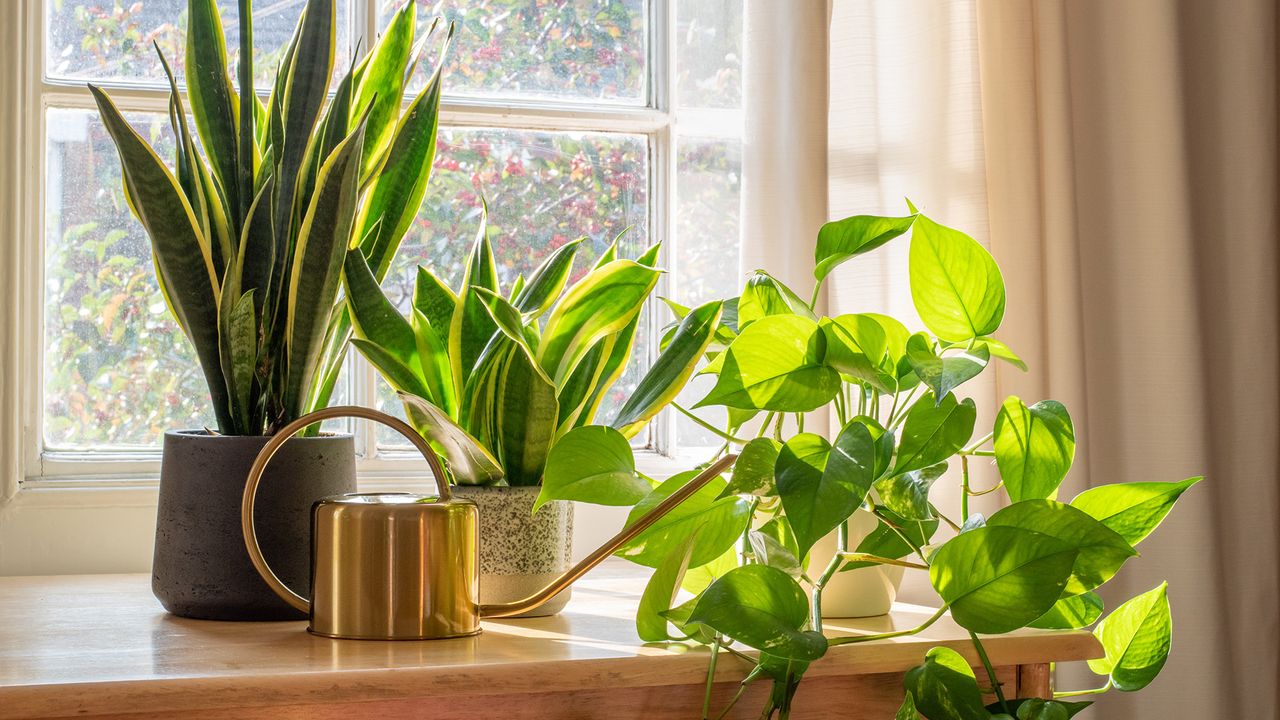
Group of houseplants by window.

Spring is officially here. And while I’m excited to see warmer weather and (finally) open the windows, this also brings pollen, dust, and other tiny particles that can affect the air quality inside.

And if you suffer from seasonal allergies or haven’t yet invested in one of the best air purifiers to clean your air, you might want to consider a more natural and budget-friendly alternative. Did you know certain plants are known to remove toxins and improve air quality in your home without a purifier?

I asked the houseplant experts to shed some light on this and reveal the best air-cleaning plant for my home. And you might be surprised.

The power of the peace lily

Peace lily plant close up (Image credit: Shutterstock)

Peace lilies are popular for their stunning white blooms and lush leaves, but it turns out this plant can do much more than brighten any room. According to experts, this plant is considered a great natural air purifier, known for removing common indoor pollutants.

“Peace lilies are one of the best,” states Steve Corcoran, CEO, Lawn Love. “It’s not actually the flowers that work to purify the air — it’s the leaves. Their leaves can remove pollutants like formaldehyde, benzene, xylene, ammonia, and trichloroethylene from the air more effectively than most other plants.

“They do this by absorbing those pollutants through their surfaces, and then the pollutants are broken down by microbes in the roots of the plant.”

Better still, the peace lily can also reduce mold spores that grow in the home, which can also cause problematic health issues. This makes a great alternative to use alongside one of the best dehumidifiers to reduce moisture levels.

Typically, the best plants for improving air quality are healthy plants with lush foliage and robust root systems. This includes plants like the Boston Fern that can absorb airborne toxins through its leaves and roots — releasing moisture and oxygen. Or the low-maintenance, Snake Plant (Sansevieria), which experts claim can remove four major toxins), and a rubber plant.

"Rubber plants are easy to grow and are one of the best for removing toxins from the air," adds Bryan Wu, plant expert at Wuhoo Tropicals. "This plant takes in the carbon dioxide and mixes it with hydrogen, creating oxygen, which is released back into the air through the plant leaves helping keep your air clean!"

Where can I place my peace lily in the home?

A peace lily on a windowsill (Image credit: Shutterstock)

So, where is the best place to put a peace lily in the home for maximum benefits? And does it really make a huge difference? “It’s usually best to have air purifying plants in areas of the home where breathing healthily and easily are most important to you (like your bedroom, since that’s where you sleep),” advises Corcoran.

“It should also be noted though that even the best plants for air-purifying aren’t as effective as actual air purifiers.”

It’s usually best to have air purifying plants in areas of the home where breathing healthily and easily are most important to you

Steve Corcoran, CEO, Lawn Love

In addition, peace lilies are relatively low-maintenance, thriving in various light conditions, including very little light. All they’ll require is adequate indirect daylight and watering every few days. Which works great for me, as I often forget to water my plants!

“If you want to get the maximum benefits from your peace lily, make sure to place it in a spot that receives bright, indirect sunlight and keep the temperature anywhere between 55–75°F,” advises Angelika Zaber, gardening expert at Online Turf.

“At the same time, keep your peace lily away from heat sources and draughty locations as it does not respond well to drastic temperature fluctuations.”

Another thing to note is that the peace lily is known to be toxic to both pets and humans when ingested. So keep this in mind if you have young children or pets, and make sure the plant is kept out of their reach.

So whether you want to use this plant alongside your air purifier or simply want a naturally fresh-smelling home, don’t underestimate the power of the peace lily.

For more tips on the benefits of peace lilies, check out these 9 reasons why every home needs a peace lily.


Gardening essentials we love


More from Tom's Guide

Sign up to read this article
Read news from 100's of titles, curated specifically for you.
Already a member? Sign in here
Related Stories
Top stories on inkl right now
One subscription that gives you access to news from hundreds of sites
Already a member? Sign in here
Our Picks
Fourteen days free
Download the app
One app. One membership.
100+ trusted global sources.