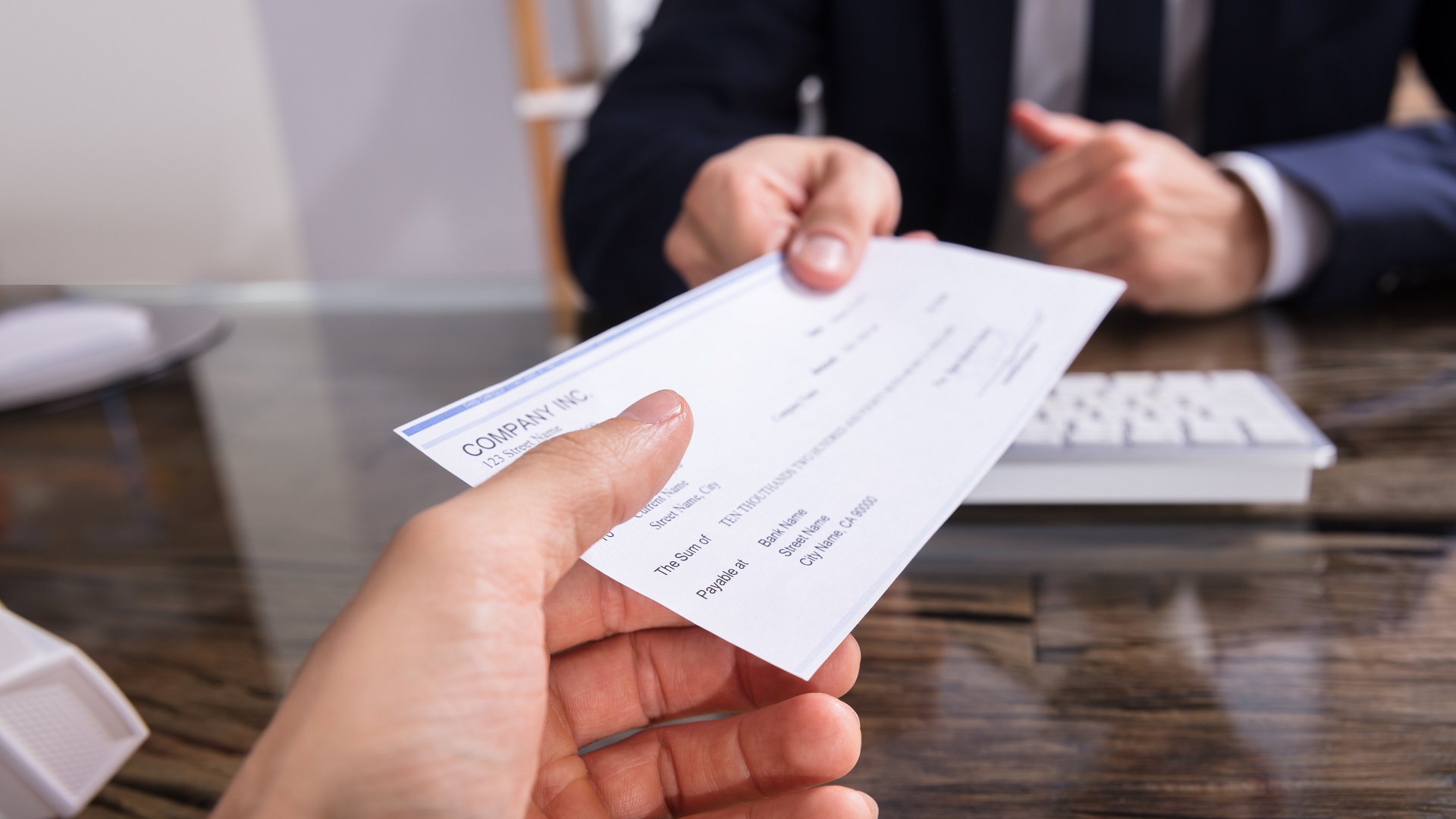
If you’ve been getting raises but your take-home pay keeps going down, you’re probably wondering why.
Check Out: I Asked ChatGPT How the Average Person Can Make $100K From Home: Here’s What It Said

Learn More: 10 Unusual Ways To Make Extra Money (That Actually Work)
GOBankingRates asked ChatGPT why some may feel like take-home pay keeps shrinking even with raises.
A Higher Salary Doesn’t Always Mean a Bigger Paycheck
Its response was that a higher salary doesn’t always translate to a bigger paycheck, saying, “It’s frustrating — and you’re not imagining it.”
ChatGPT did a decent job of looking at the big picture, according to Julian B. Morris, founder and principal at Concierge Wealth Management, but he also said that it “didn’t really account for any variables. It just threw everything on the wall and is looking to see what sticks.”
Here are some reasons this might be happening, according to ChatGPT, along with commentary from experts.
Read More: I Asked ChatGPT What Would Happen If Billionaires Paid Taxes at the Same Rate as the Working Class
Progressive Taxes Are Doing Their Job
The U.S. uses a marginal tax system in which income is taxed at higher rates as you earn more. The U.S. tax system is divided into tax brackets with each bracket assigned its own tax rate. If a pay raise bumps you up a tax bracket, “that extra portion is taxed more heavily,” per ChatGPT.
Morris responded that, yes, the marginal tax system means that “as you make more money, a percentage of income is taxed more with each step.” Though this shouldn’t result in less income per paycheck but would result in more taxes paid.
Benefits Cost Quietly Increase
For those with benefits automatically deducted from their paycheck, rising costs could be reducing their take-home pay even if they get a raise. ChatGPT cited health insurance premiums, dental and vision plans, dependent coverage, and employer plan restructuring (shifting more costs to the employees) as areas where costs may rise.
Brynne Conroy, a finance expert with PocketSmith, confirmed that rising benefits costs could be the culprit. “This year, in particular,” she said, “there was an expected 6% to 7% increase in premiums for employer-sponsored health insurance plans.”
Retirement Contributions Scale Up
“If you’re contributing a percentage to a 401(k),” per ChatGPT, “your contribution increases automatically when your salary increases.”
According to Morris, this could be a factor because the “percentage amount allocated to your company retirement plan stays the same, but it is actually now a larger number, so the net effect of contributions is felt earlier in the year.”
He did point out that this decrease in take-home pay may not last all year. “If the plan is maxed out sooner, you would then get a ‘raise’ sometime later in the year,” he said.
Withholding Changes
If you’re not sure why your take-home pay is shrinking even with a raise, check your W-4. ChatGPT pointed out that “payroll systems sometimes adjust withholding based on updated tax tables or how your income trends during the year.”
Conroy recommended checking your pay stub “with a fine-tooth comb.” It’s possible that there’s a withholding error, and if this is the case, discuss it with your HR department.
More From GOBankingRates
- Here's the Secret to Making $142K a Month From Amazon
- What Will the Average Social Security Check Be for Retirees in 2026?
- How Middle-Class Earners Are Quietly Becoming Millionaires -- and How You Can, Too
- 6 Safe Accounts Proven to Grow Your Money Up to 13x Faster
This article originally appeared on GOBankingRates.com: I Asked ChatGPT Why My Take-Home Pay Keeps Shrinking Even With Raises