Get all your news in one place.
100’s of premium titles.
One app.
Start reading
GOBankingRates
GOBankingRates
Laura Beck

I Asked ChatGPT How Trump’s Tariffs Will Affect My Grocery Bill: Here’s What It Said

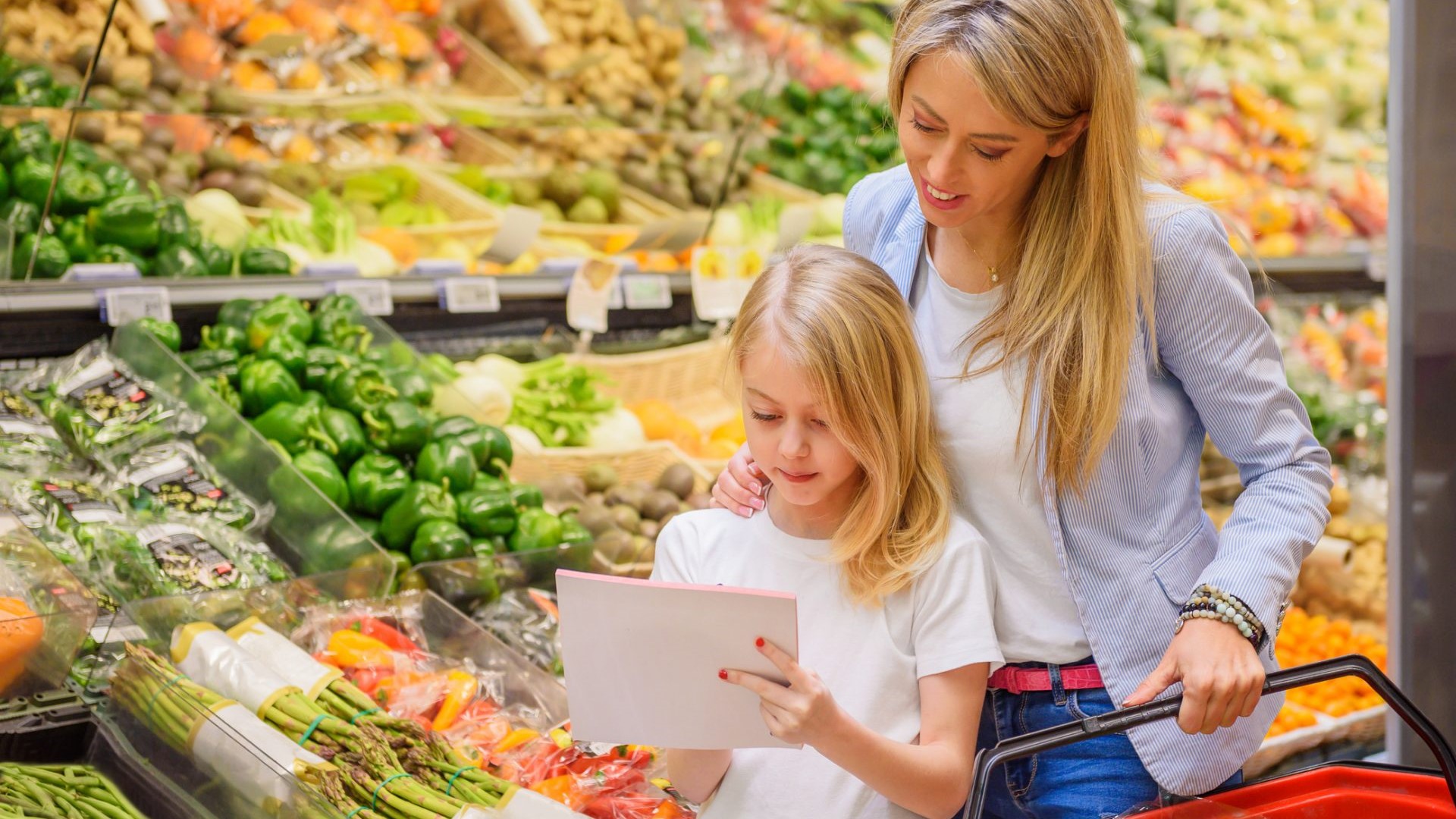
grinvalds / Getty Images/iStockphoto

With changes to tariff policies consistently making headlines, I wanted to know what it all means for my wallet at the grocery store. So I did what anyone would do in 2025: I asked ChatGPT to break it down for me.

Be Aware: 5 Ways Trump’s ‘Big, Beautiful Bill’ Could Impact Your Wallet

Learn More: How Middle-Class Earners Are Quietly Becoming Millionaires — and How You Can, Too

The answer wasn’t exactly comforting, but it was practical. Here’s what the AI told me about how tariffs could hit my grocery bill and what I can actually do about it.

The Bad News: You’re Probably Paying More

ChatGPT didn’t sugarcoat it. Tariffs are taxes on imported goods, and they drive up costs in ways most people don’t think about.

First, there are the obvious imports. If you’re buying avocados from Mexico or coffee from Colombia, those tariffs hit directly. A Yale Budget Lab report estimated that recent U.S. import tariffs could push food prices up by about 2.6% overall, with fresh produce jumping more than 5%, according to Food & Wine.

But even American-made food isn’t safe from price increases. The packaging, machinery, fertilizer and transport all use imported materials. Higher steel or aluminum tariffs mean more expensive cans, trucks and equipment. Those costs get passed down the chain.

The Tax Foundation found that current tariffs will raise the cost of coffee, certain types of fish and several other food categories. Meanwhile, Axios reports that food-at-home inflation hit 2.7% year-over-year in August, with meats and fish up 5.6%. Some categories will jump more than others. Fresh produce that’s imported could see increases over 5%, as per Food & Wine. Canned goods will cost more because of steel and aluminum tariffs.

Find Out: 4 Mistakes the Upper Middle Class Are Making With Their Money in the Trump Economy

What It Means for Your Actual Shopping

ChatGPT gave me some concrete numbers to work with. If your typical grocery bill runs $100 per week, a 2.6% increase adds about $2.60 per week, or roughly $135 per year.

That might not sound terrible until you realize that’s the average. If you buy a lot of produce, imported items or anything with high packaging costs, you’ll pay more. One analysis by Third Way estimated that a certain set of tariffs could add at least $185 per year for groceries for a family of four.

The AI also pointed out that lower-income households get hit hardest because food takes up a bigger chunk of their budgets.

ChatGPT’s Practical Advice

This is where the AI actually got helpful instead of just depressing. It laid out several strategies to soften the impact.

Buy seasonal and domestic produce. This avoids import tariffs and high transport costs. Instead of paying premium prices for out-of-season berries shipped from Chile, stick with what’s growing locally, or at least domestically.

Check unit prices religiously. As prices creep up, comparing by weight or volume helps you spot where you’re getting gouged. Sometimes the bigger package isn’t actually the better deal anymore.

Choose less-imported staples. If you can swap imported canned fish for domestic beans, you dodge some of the tariff impact. It requires flexibility but it works.

Stock up strategically. For shelf-stable imported items you use regularly, buying at today’s prices beats paying tomorrow’s inflated costs. Just watch expiration dates.

Try house brands. Store brands often have lower margins and might absorb cost increases better than premium brands. The quality gap has narrowed a lot in recent years anyway.

Stay flexible with meal planning. If certain items spike in price, substitute with less-affected options. Your menu doesn’t need to be rigid.

ChatGPT even threw in a food pun (which I appreciated): “You might ‘lettuce’ save a little by making smart choices.” The AI’s sense of humor needs work, but the advice is solid.

The Bigger Picture

What struck me about ChatGPT’s analysis was how interconnected everything is. You can’t just avoid “imported food” because even domestic food relies on imported inputs. The tariffs ripple through the entire food system.

The AI didn’t pretend to have all the answers. It acknowledged that actual price increases depend on your shopping habits, what you buy and how producers and retailers absorb the costs. Some chains might hold prices for a while, but that won’t last forever, so move fast now if you can afford to.

More From GOBankingRates

This article originally appeared on GOBankingRates.com: I Asked ChatGPT How Trump’s Tariffs Will Affect My Grocery Bill: Here’s What It Said

Sign up to read this article
Read news from 100’s of titles, curated specifically for you.
Already a member? Sign in here
Related Stories
Top stories on inkl right now
One subscription that gives you access to news from hundreds of sites
Already a member? Sign in here
Our Picks
Fourteen days free
Download the app
One app. One membership.
100+ trusted global sources.