“No famine has ever taken place in the history of the world in a functioning democracy,” observed Nobel Prize-winning economist Amartya Sen in his 1999 book “Development as Freedom.”
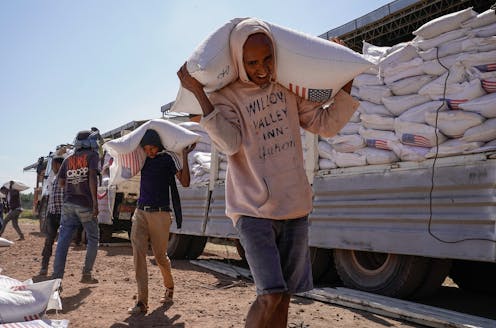
My recent research doesn’t tackle Sen’s central argument – premised on the belief that democratic leaders prioritize food security because they cannot win reelection if the most basic needs of their constituents are not met – head on. Instead, I explored an auxiliary question: Do democratic governments cope better than their autocratic counterparts when their countries are confronted by sudden drops in food aid?