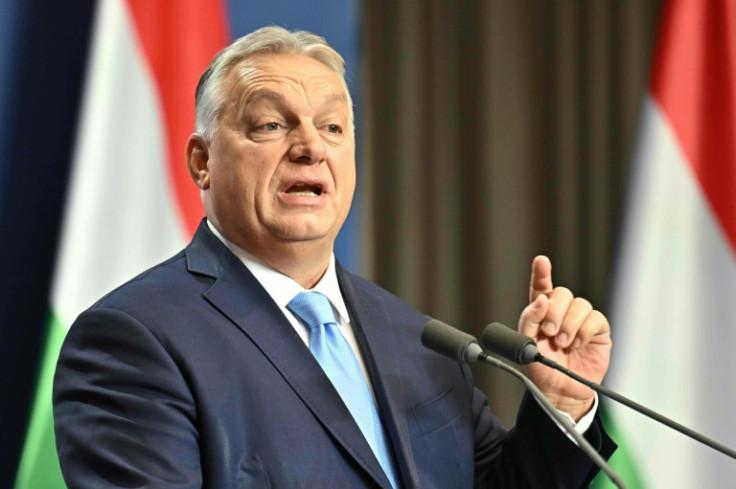
Hungary privately offered to help Iran investigate the 2024 pager attack in Lebanon, according to a newly reported transcript that is drawing fresh scrutiny over Hungarian Prime Minister Viktor Orbán's foreign policy and his government's ties to actors on both sides of the Middle East conflict.
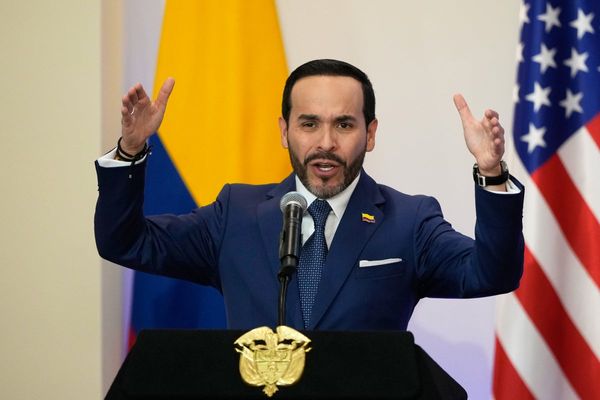
The report, published Wednesday by The Washington Post, detailed that Hungarian Foreign Minister Péter Szijjártó told Iranian Foreign Minister Abbas Araghchi that Budapest's intelligence services would share what they had gathered after the attack. The report also lands at a sensitive time for Hungary, just days before a high-stakes election and during a visit by Vice President JD Vance to support Orbán.

The outlet said it reviewed a Hungarian government transcript authenticated by a Western intelligence service, which showed that Szijjártó told Araghchi on Sept. 30, 2024: "Our secret service has already contacted your services and we will share all the information we have gathered during the investigation." He reportedly added that "every possible document" would be shared. The call came soon after the deadly Sept. 17, 2024 attack in Lebanon involving pagers used by Hezbollah members.
The disclosure is politically striking because Orbán has long presented himself as one of Israel's closest allies inside the European Union. The Post noted that Hungary has repeatedly backed Israel in international forums and even announced its withdrawal from the International Criminal Court in April 2025 during a visit by Israeli Prime Minister Benjamin Netanyahu. That makes the reported outreach to Iran, Hezbollah's main backer, especially awkward at a moment when Hungary is also trying to maintain strong ties with President Donald Trump's administration.
The pager attack itself shocked the region and triggered a wave of questions about how the devices reached Lebanon. The Guardian reported at the time that pagers and walkie-talkies used by Hezbollah members exploded over two days in September 2024, killing 39 people and injuring more than 3,000. Two months later, Netanyahu confirmed that Israel was behind the attack.
Hungary was pulled into the story almost immediately because Taiwan's Gold Apollo said the model used in the attack had been made by Budapest-based BAC Consulting under a licensing arrangement. Hungary's government quickly denied that the devices were ever manufactured or physically present in the country. Government spokesman Zoltan Kovacs said BAC was only "a trading-intermediary company" with no manufacturing or operating site in Hungary, and that the devices "have never been to Hungary."
The Associated Press separately reported that BAC was linked to the pagers that exploded in Lebanon and Syria, in what AP described as an apparent Israeli operation against Hezbollah. AP said the first wave of explosions killed at least 12 people, including two children, and wounded around 2,800 people, according to Lebanese authorities.