Recent airdrops of food by the United States and Jordan into Gaza highlight the dire situation facing hundreds of thousands of people at risk of mass starvation. Vice President Kamala Harris has condemned the inhumane conditions and urged Israel to allow more aid into the region.
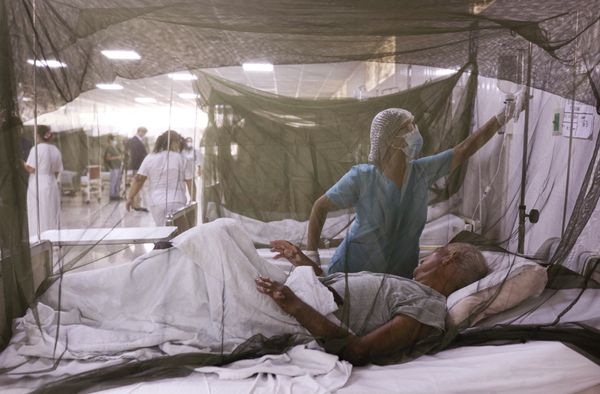
The United Nations has labeled the situation a man-made hunger crisis, with distressing images emerging of children suffering from acute malnutrition. Reports from overrun hospitals depict heartbreaking scenes of emaciated children and grieving families.
One devastating story is that of three-year-old Mila, who succumbed to acute malnutrition despite being healthy before the conflict. Her mother recounts the sudden decline in food availability, leaving them with nothing to feed their child.
Dr. Ahmed Salem, witnessing the tragic consequences firsthand, notes that many children are dying due to the lack of essential supplies like food and oxygen. The situation is exacerbated by limited aid reaching those in need, forcing desperate measures among the population.
UN experts have accused Israel of intentionally starving the Palestinian people in Gaza, citing military actions that hinder humanitarian efforts. Despite Israel's denial of targeting civilians, reports from the ground reveal a severe shortage of basic necessities like food and water.
With a quarter of Gaza's population on the brink of famine, aid agencies are struggling to provide essential supplies amid ongoing hostilities. International efforts to airdrop humanitarian aid offer temporary relief, but a long-term solution remains elusive as negotiations stall.
As Israel's military offensive intensifies, the urgency to address the hunger crisis in Gaza grows. Time is running out for the vulnerable population, underscoring the need for immediate action to alleviate the suffering and prevent further loss of life.