
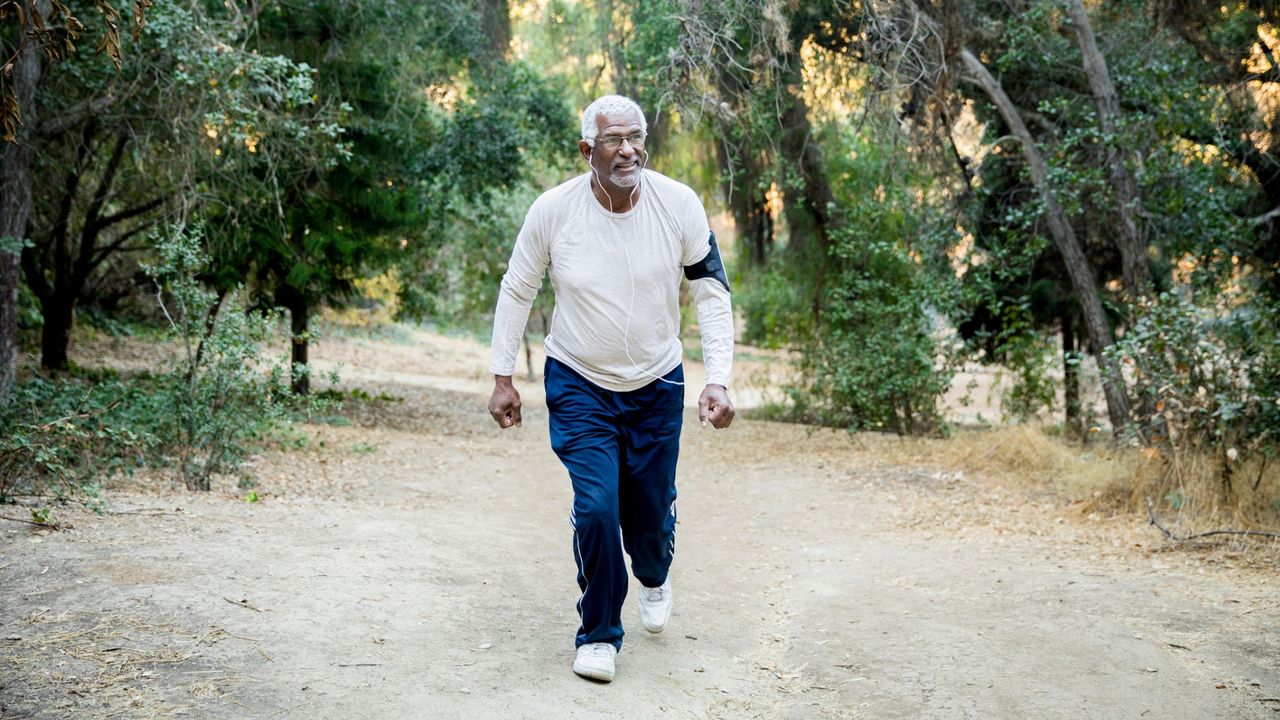
It’s common knowledge that walking is good for you, but did you know it might also help you live longer?
According to Dr Karan Rajan, a doctor, author and health educator, looking to cultures where long life is the norm could offer us some longevity secrets.
“They're just walking around a lot of the time, going to the shops, walking upstairs, chatting with friends, gardening, foraging,” he says.
This low-intensity, regular movement helps keep our heart, joints, bones and muscles healthy.
And Rajan says that doing lots of walking is better than only occasionally hitting the gym.
“Low intensity, low-stress movement is better than doing high intensity exercise for half an hour and then lying on a sofa the rest of the day,” he says.
How to increase your step count
If your step count is only in triple digits at the end of the day, Rajan suggests increasing it by 500-1,000 steps at a time.
“Any incremental increase in your step count above your baseline is beneficial. So if you’re used to walking 500 steps a day and you add an extra 1,000, that is directly linked to a decrease in mortality, morbidity and improvement in general health,” he explains.
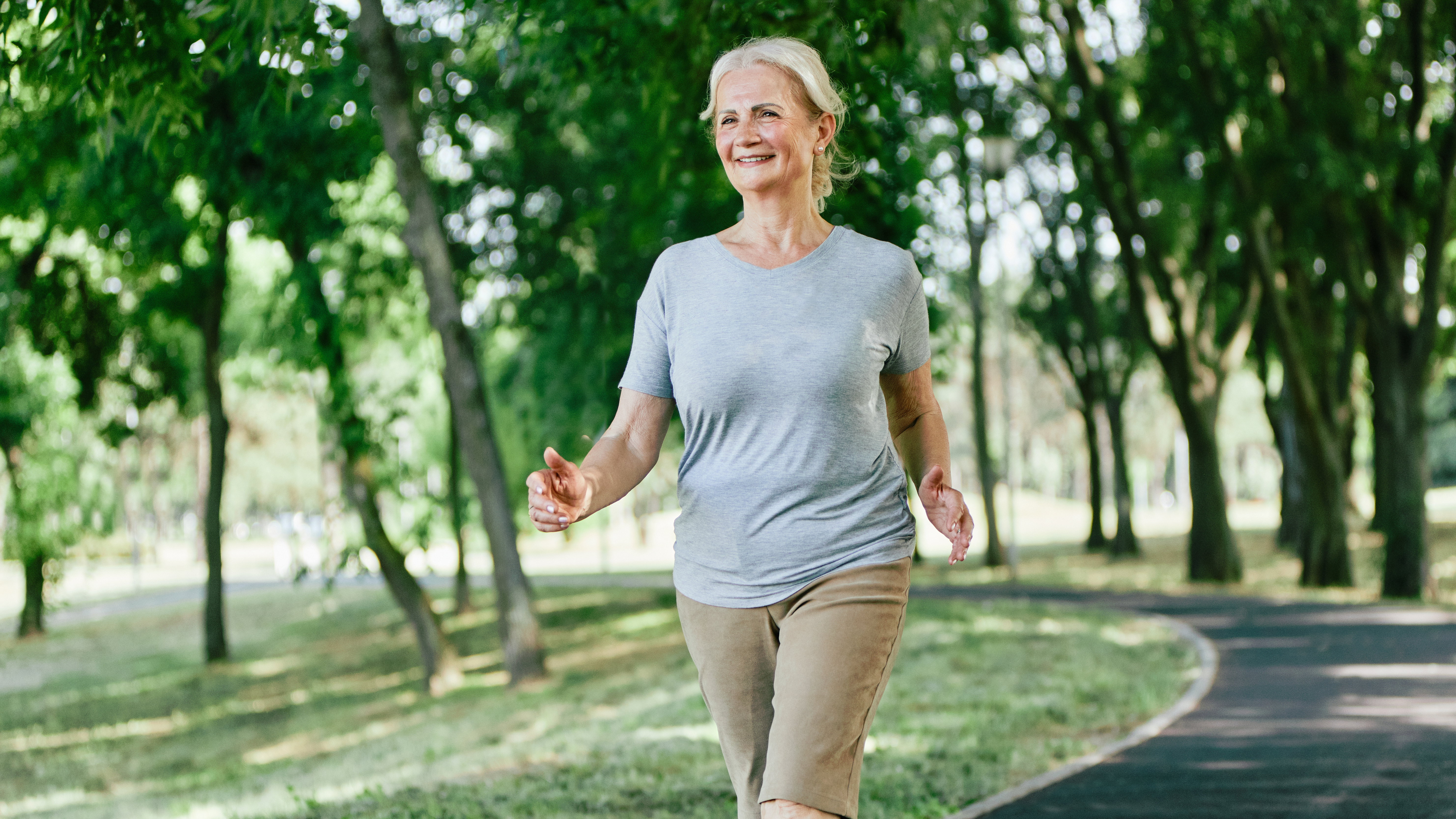
And if you struggle to hit the common target of 10,000 steps a day, recent research suggests that hitting a lower count could be just as beneficial.
“It seems the benefits you get are maximized at around 7,000 steps. So if you did 7,000 steps versus 12,000, there’s a marginal, negligible difference to the amount of benefits that you’re going to reap from that.”
How can we keep walking well into older age?
Walking is one of the best things you can do to stay healthy as you age—but there are other ways to boost your healthspan, too.
Rajan says it's important to work on your balance as you age, by maintaining your muscles and spatial awareness (proprioception).
“Loss of proprioception with age is not uncommon, and it can lead to an increased risk of falls and falls can be fatal.”
He advises strength training to mitigate against muscle loss. This can be as simple as committing to regular bodyweight squats or sitting and standing repeatedly from your couch.
Rajan also suggests working on specific proprioception exercises, like closing your eyes and balancing on one leg (with a support if needed), increasing the time as you get more confident.