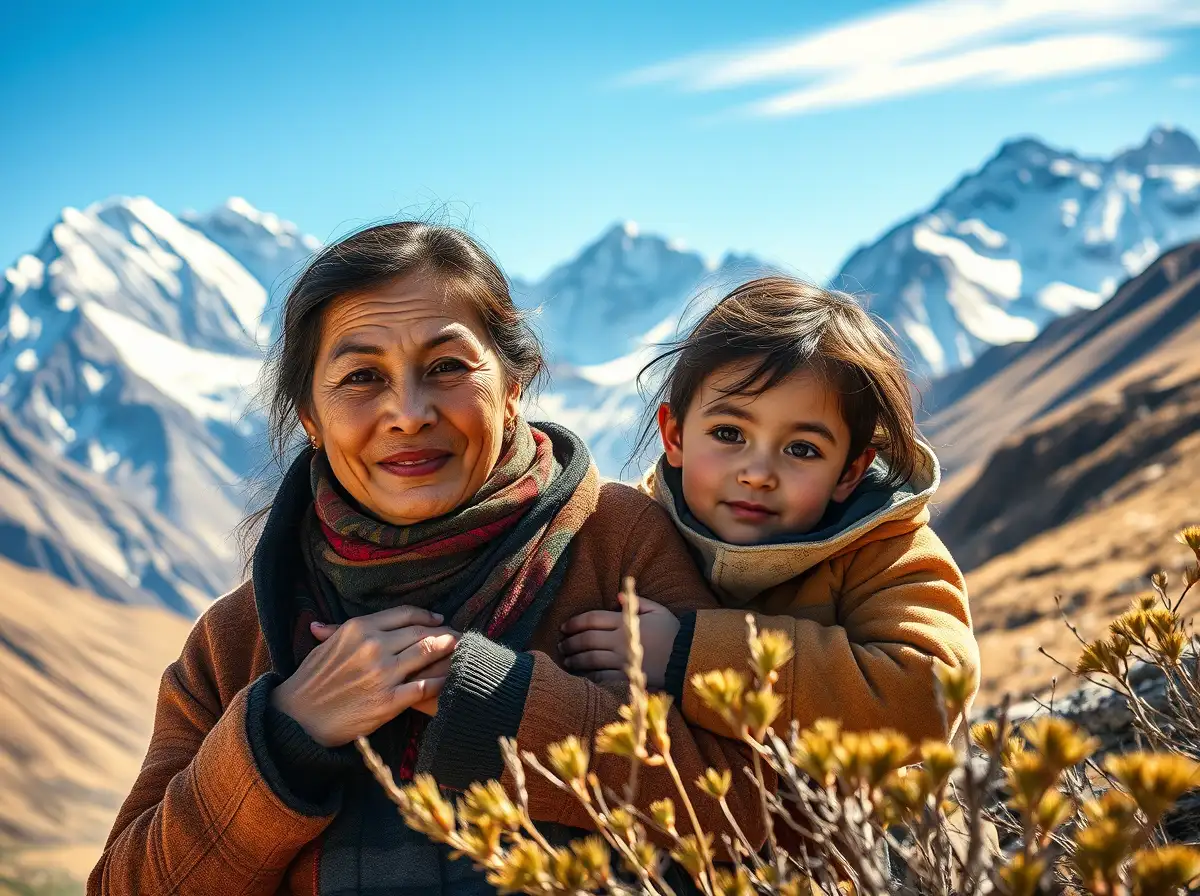
Human evolution is far from over. Scientists say our species remains to adapt to shifting environments, with evidence of these biological changes written into our bodies over generations. One of the clearest examples arrives from the Tibetan Plateau, where communities have successfully adapted to life in situations that would be challenging for most people.
Several mountain climbers who travel to high elevations face altitude sickness, a condition triggered by minimized atmospheric pressure and lower oxygen availability. At such heights, every breath offers less oxygen to the body, making it challenging for tissues and organs to function normally. Yet populations living on the Tibetan Plateau have flourished in these oxygen-poor conditions for thousands of years. Researchers state that over 10,000 years of continuous settlement in the area have led to physical changes that support residents to cope with an environment that would otherwise cause hypoxia.