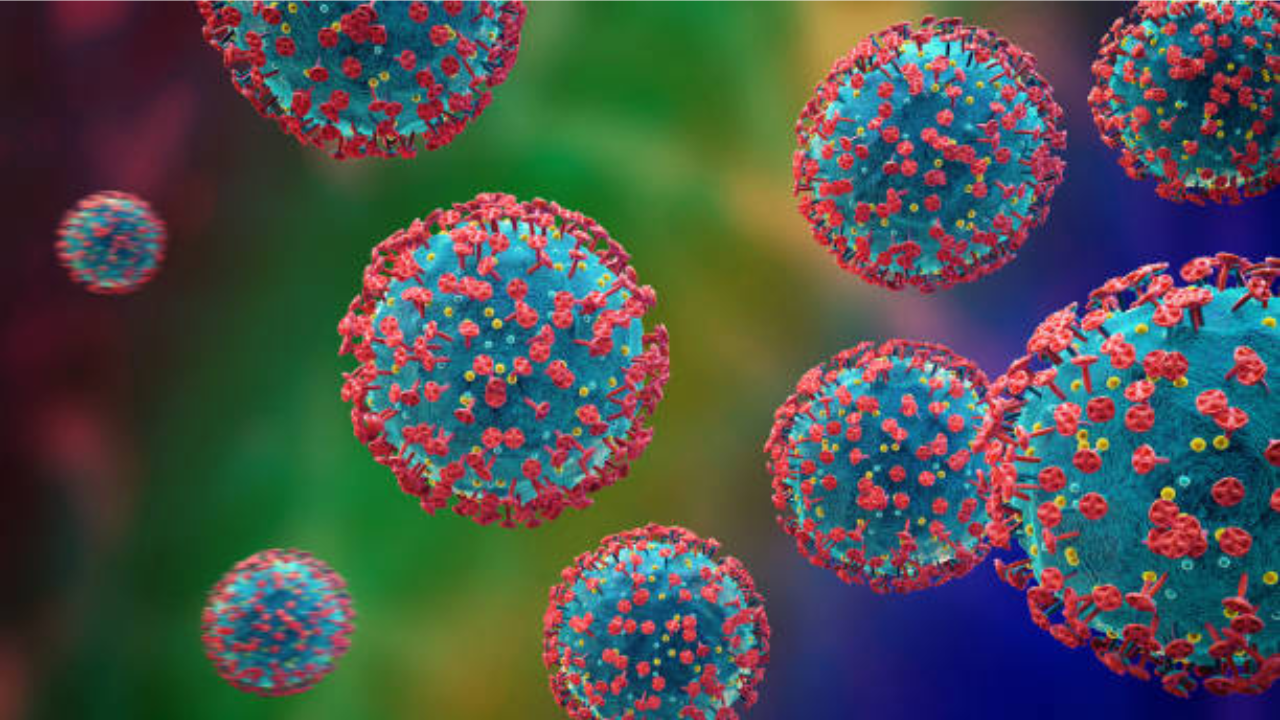
Cases related to pathogens such as the rhinovirus and human metapneumovirus are increasing in China. As per reports, China is currently dealing with a fresh outbreak of viruses with the emergence of various respiratory infectious diseases in winter.
"Recent cases detected include pathogens such as the rhinovirus and human metapneumovirus, with cases of the human metapneumovirus among people under the age of 14 showing an upward trend, especially in northern provinces," as per a report published in Reuters.
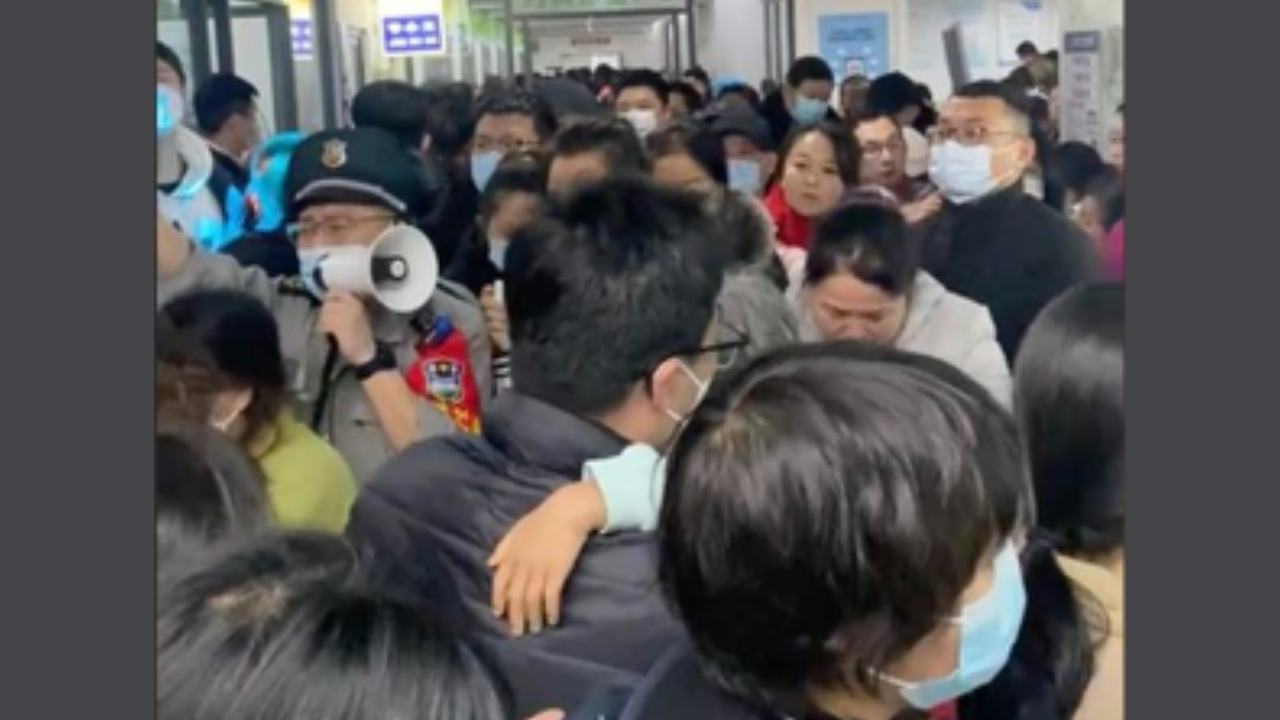
HMPV symptoms, treatmentHealth experts have urged people not to use antiviral drugs blindly. In a recent interview with Reuters the state-backed National Business Daily, a prominent respiratory expert from a Shanghai hospital cautioned the public against the indiscriminate use of antiviral drugs to combat human metapneumovirus (HMPV). This virus, for which there is no vaccine, often presents symptoms like those of the common cold, including cough, congestion, and fever. The use of antiviral drugs in blindly may lead to a number of other health consequences and even drug resistance.
Human metapneumovirus (HMPV) is a respiratory virus within the Paramyxoviridae family. First identified in 2001, it is one of the most common causes of respiratory infections, especially in young children, the elderly, and immunocompromised individuals. HMPV is related to respiratory syncytial virus (RSV) and is characterized by symptoms similar to those of the common cold.
Some common symptoms in cases of infection from this virus include coughing, runny nose, fever, difficulty in breathing, and fatigue. However, with weakened immunity in populations, HMPV is reported to trigger conditions such as bronchitis and pneumonia. Until now, no specific vaccination or antiviral treatment exists for HMPV. Preventive measures like washing hands, avoiding contact with infected individuals can save one from getting infected.
Is HMPV a risk to India?
The National Centre for Disease Control (NCDC) under the Union Health Ministry is closely monitoring respiratory and seasonal influenza cases in the country, and is in touch with international agencies, according to Official sources, ANI reported. This development follows recent reports of an outbreak of Human Metapneumovirus (HMPV) in China.
"The resurgence of Human Metapneumovirus (HMPV) underscores the ever-evolving challenges posed by respiratory viruses, particularly in high-density populations. HMPV, a relatively underrecognized pathogen, has been a silent contributor to seasonal respiratory illnesses globally. At Dr Dangs Lab, we have routinely reported cases of HMPV during flu seasons, particularly in vulnerable populations such as young children, older adults, and those with compromised immune systems. This outbreak in China highlights the need for heightened surveillance and early detection mechanisms to curb its spread," Dr Arjun Dang, CEO, Dr Dangs Lab told ANI.
HMPV outbreaks in the world
HMPV had in 2023 been detected in the Netherlands, Britain, Finland, Australia, Canada, the US and China.
Li Tongzeng, a chief doctor from the Department of Respiratory and Infectious Diseases at Beijing You’an Hospital, Capital Medical University said that HMPV can be transmitted from person to person through respiratory droplets, and people-to-people contact, such as handshakes, or touching an object contaminated with the virus, the CCTV reported.
It has an incubation period of between three to five days.
Wearing a mask, washing hands frequently, and increasing immunity can help prevent the disease.
How contagious is HMPV?
Human Metapneumovirus (HMPV) is moderately contagious, spreading primarily through respiratory droplets when an infected person coughs, sneezes, or talks. It can also spread via direct contact with contaminated surfaces or objects. Close interactions, particularly in crowded or enclosed spaces, increase the risk of transmission.
Individuals are most contagious during the early stages of the illness, especially when symptoms like coughing and sneezing are prominent. Young children, the elderly, and those with weakened immune systems are more susceptible.

HMPV preventive measuresThe US CDC lists the following preventive measures that be can be followed by an HMPV infected person to avoid spreading:
cover mouth and nose when coughing and sneezingwash hands frequently and correctly (with soap and water for at least 20 seconds)avoid sharing cups and eating utensils with othersrefrain from kissing othersstay at home when sick