
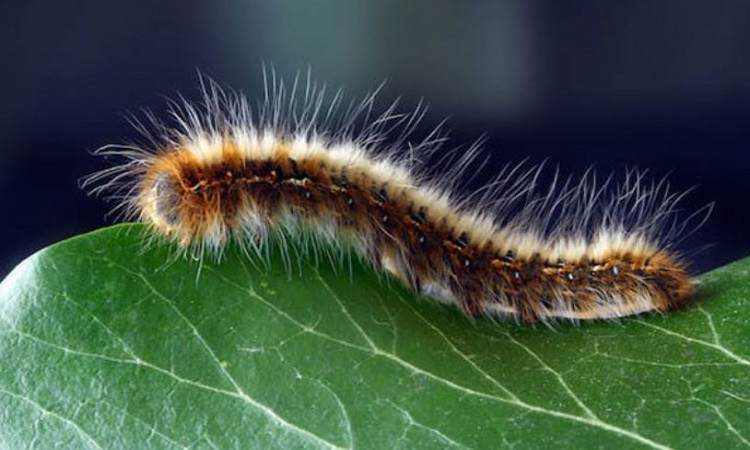
Washington: Researchers found brighter nights risk extinguishing glow-worm twinkle. The study was published in Journal, 'Journal of Experimental Biology.'
The bright lights of big cities are modern marvels, designed to help us work, stay safe, and enjoy the world around us long after the sun has gone down. While artificial light has increased human productivity, some nocturnal animals and even humans have paid a price for this illumination. Light pollution affects many animals, from increasing predator activity to disrupting migrations; but how do animals that use their own luminescence to lure food or attract mates fare against this new, brighter background? Female common glow-worms (Lampyris noctiluca) emit a green glow from their abdomen in order to attract flying males, but they are unable to fly away from light pollution.