
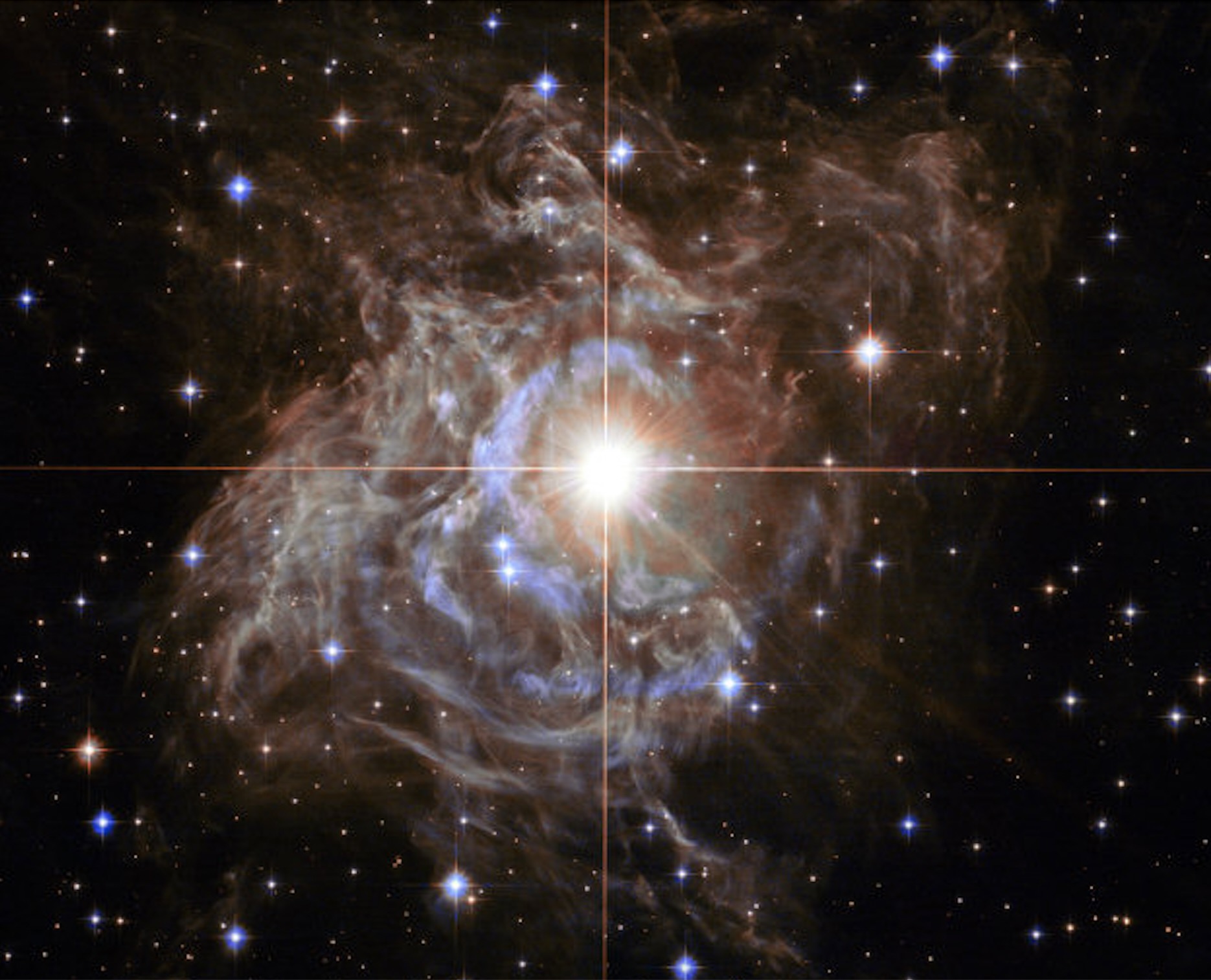
The most accurate observation to date of distant stars that periodically change in brightness may spark a rethink of the rate at which the universe expands — perhaps by settling a longstanding problem in cosmology, or deepening it.
The observation confirms a disparity that exists between the two major methods of measuring how fast the universe is expanding, conforming with one but not the other, a new study reports.
Researchers with the Stellar Standard Candles and Distances group used data collected by Europe's Gaia spacecraft to study Cepheid variable stars, which pulsate in a regular manner, providing a way of accurately measuring cosmic distances. The Cepheid star measurement technique expands on other methods, such as one that relies on observations of Type 1a supernovas.