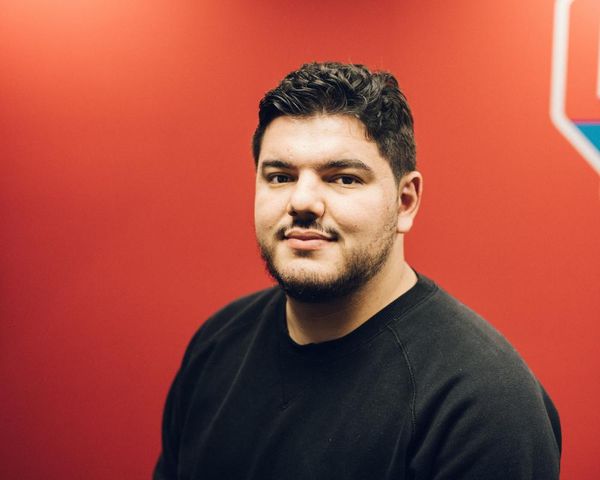
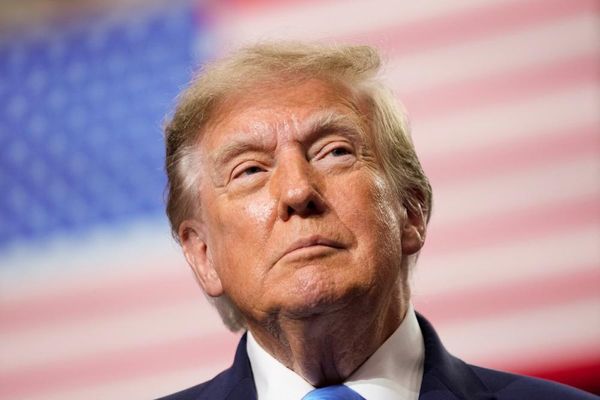
HSBC has appointed the former KPMG partner Brendan Nelson as its chair after a prolonged search process that left one of the world’s biggest banks without a permanent executive in the top role for months.
The decision to appoint Nelson, who has been serving as interim chair, came as a surprise, after a protracted hunt for a permanent successor for Mark Tucker which involved courting external candidates including the former chancellor George Osborne and the head of Goldman Sachs’s Asia-Pacific division, Kevin Sneader.

HSBC failed to find a permanent chair before Tucker left at the end of September, raising questions about the succession planning and the board’s effectiveness, with Tucker having first announced his decision to leave in May.
Tucker, a former trainee professional footballer, left after eight years, outlasting three chief executives, to join the Hong Kong-based insurer AIA. The role of HSBC chair has become increasingly politicised, with Tucker navigating simmering tensions between the west and Beijing. While HSBC is headquartered in London, it makes more than half of its profits in Asia.
Osborne, who was in the running to take Tucker’s post, would have brought political experience to a role that requires executives to walk a careful line between the interests of countries in the west and those in Asia.
He served as chancellor from 2010 to 2016, before later editing the Evening Standard and taking up a number of City roles including as part-time adviser to the US asset manager BlackRock, and a partner role at the investment bank Robey Warshaw. He is also an adviser to the cryptocurrency exchange Coinbase. Had he been successful, the HSBC job would have been Osborne’s highest-profile City role to date.
The appointment of Nelson, who joined the HSBC board in 2023 and became interim chair in October, has raised questions over how long it will be before the bank has to restart its search for a permanent chair.
The 76-year-old had “expressed a desire not to do it for the full six to nine years given the stage in his career”, said the HSBC chief executive, Georges Elhedery, in comments made at the Financial Times banking summit a day before the appointment was announced.
Matt Britzman, a senior equity analyst at the investment platform Hargreaves Lansdown, said the comments raised questions about the permanence of this appointment and would “reinforce investor concerns around leadership stability and longer-term succession planning at a critical juncture for the bank”.
HSBC’s shares fell 1% on Wednesday after Nelson’s appointment.
Gary Greenwood, a banking analyst at the investment firm Shore Capital, said: “The fact that the board has finally alighted on Mr Nelson suggests that it has not been possible to find a suitable external successor and, in our view, it is probably fair to say that Mr Nelson was not top of the list of permanent candidates, otherwise there would have been no need to appoint him as an interim successor.
“Nevertheless, he is well qualified for the role, in our view, while his appointment brings the process to a close and means that a governance issue has been sorted and the group can move forward with some certainty.”
Nelson was previously a partner at KPMG, where he led its global financial services practice that advised and audited international banks. He has also served on the boards of BP and RBS Group, now known at NatWest.
HSBC said its decision followed a “robust process that considered both internal and external candidates”.
Nelson said: “I look forward to continuing to work with the board, Georges and the wider management team as we deliver on our strategic and financial objectives.”