Get all your news in one place.
100's of premium titles.
One app.
Start reading
The Conversation
The Conversation
Zhonghua Zheng, Assistant Professor in Data Science and Environmental Analytics, University of Manchester

How traffic makes cities warmer

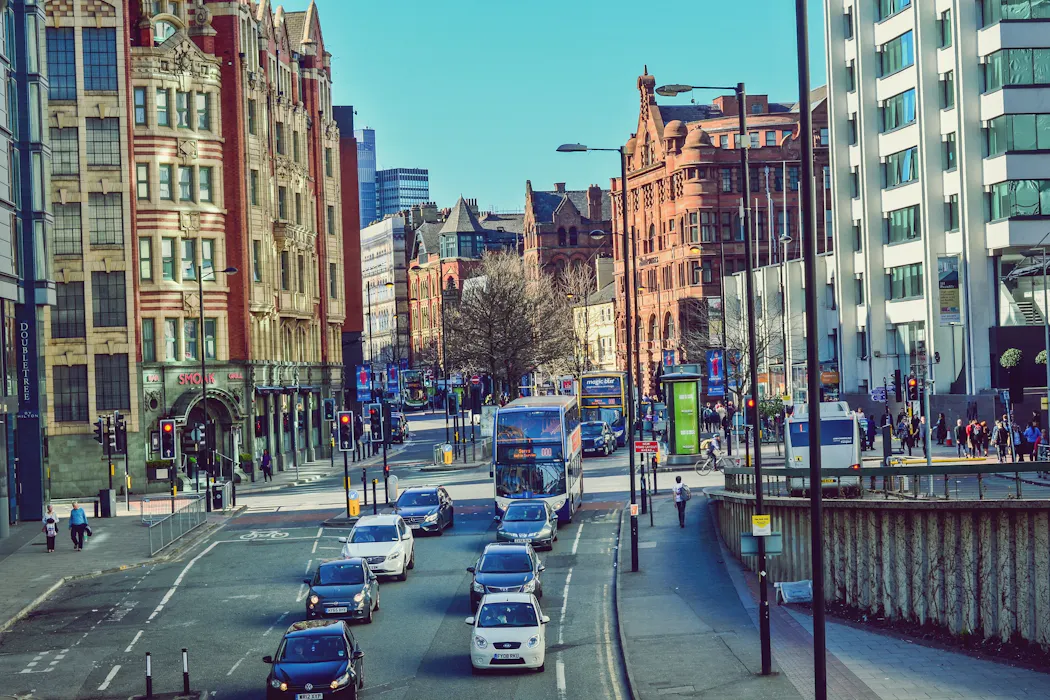
A queue of vehicles in central Manchester, one of two cities modelled to quantify the effect of traffic on urban heating. Marina J/Shutterstock

More than half the world’s population now lives in cities that are often much hotter than their rural surroundings. Roads, buildings and paved surfaces absorb and store heat during the day, then release it slowly after sunset. This is known as the urban heat island effect.

Discussions about why cities overheat tend to focus on buildings, which is understandable. As well as absorbing solar radiation, residential and office buildings consume a lot of energy through lighting, heating and air conditioning. They release waste heat, and shape the flow of air through surrounding streets.
Sign up to read this article
Read news from 100's of titles, curated specifically for you.
Already a member? Sign in here
Related Stories
Top stories on inkl right now
One subscription that gives you access to news from hundreds of sites
Already a member? Sign in here
Our Picks
Fourteen days free
Download the app
One app. One membership.
100+ trusted global sources.