
Get all your news in one place.
100's of premium titles.
One app.
Start reading
Homes & Gardens
Homes & Gardens
Tenielle Jordison

How to Water Hydrangeas in a Heatwave – 3 Simple Rules That Keep Them Blooming All Summer

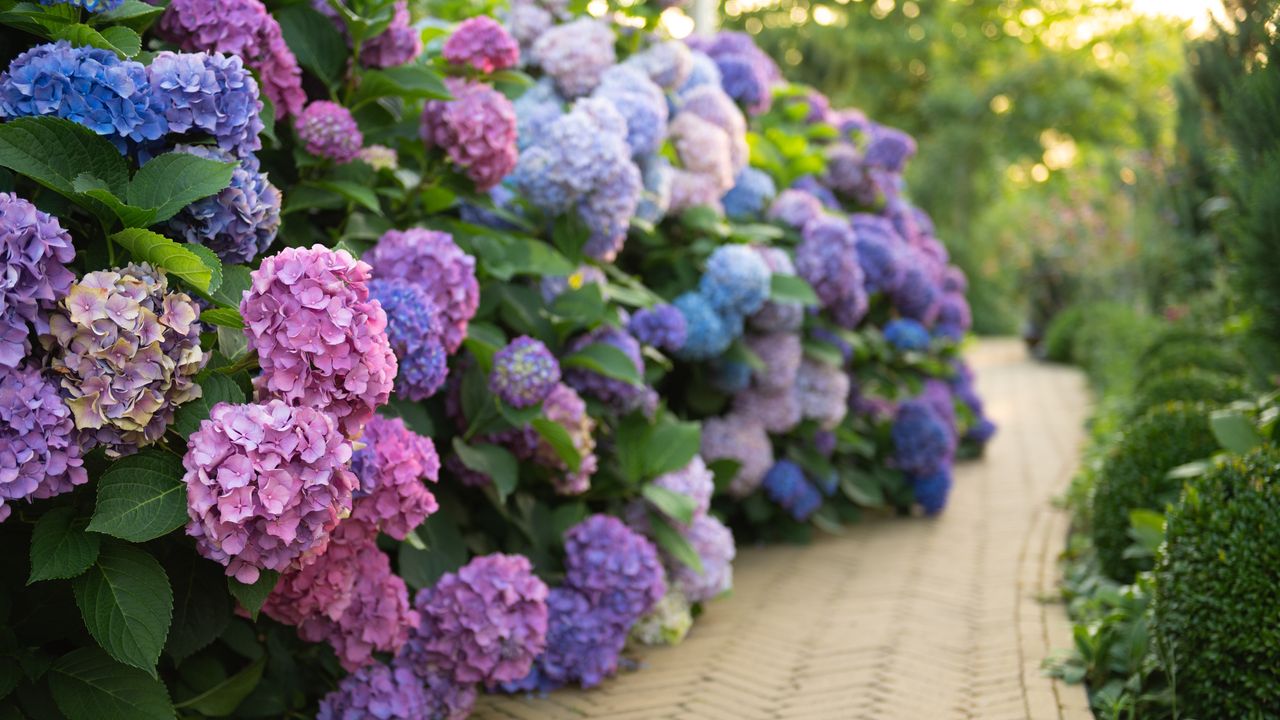
Pink, blue, and purple hydrangea shrubs lining a garden path.

Hydrangeas are some of the most impactful, romantic blooms to have in your yard. But, as soon as they become dehydrated or are overwatered, they can look a little miserable with wilting flowerheads. That's why knowing how to water hydrangeas correctly is key, especially during the hot summer months.

It's an essential part of growing hydrangeas, otherwise this cottage garden shrub's flowers won't last longer than a few weeks. This is largely because hydrangeas are thirsty plants, which is why lots of us find it daunting to get right. They need consistent moisture and don't cope well with soil running dry. At the same time, it's easy to give your hydrangea too much water, resulting in rotting roots and fungal disease.

Luckily, hydrangea expert the New York Botanical Garden, Lorraine Ballato, says it doesn't have to be complicated. Here, she shares three simple rules to follow to water hydrangeas correctly – make sure to have your soil moisture meter (like this from Amazon) to hand.

1. Check Your Hydrangea's Soil

(Image credit: Getty Images/aire images)

Before watering any plants, the first thing you need to do is check the moisture level in the soil. Watering without checking is often the cause behind overwatering hydrangeas.

'Figure out if the plant needs it by sticking your finger into the ground. It should be damp at the second knuckle. If not, give it a drink,' says Lorraine.

If your hydrangea is wilting and experiencing heat stress from drought, Lorraine notes a quick check will reveal it.

'Go back in a couple of hours or when the sun is off it to see if it has recovered or if the soil still needs moisture,' she says.

You can also use a soil moisture meter (this digital one from Amazon also revels pH levels) to test the moisture level.

In summer, you should check your hydrangea daily, especially during hot spells.

Remember, hydrangeas growing in pots will dry out even faster than those in the ground. Likewise, newly planted hydrangeas will need much more water than mature, established shrubs.

'You can amend the soil before planting by incorporating compost, which will help it retain moisture. Also, be sure there is a solid 2" of mulch in the surrounding area,' Lorraine advises.

2. Water Early in the Day

(Image credit: Catherine McQueen / Moment / Getty Images)

Knowing when to water your hydrangea is just as important as knowing how. Getting the timing wrong can result in faster dehydration and even leaf scorch.

'Water in the early part of the day rather than later on when that water will likely evaporate before it even gets to the roots,' Lorraine advises.

One of the biggest rules of watering plants in hot weather is to only do it in the morning or evening, avoiding watering during the hottest part of the day in the afternoon. This is because the water will dry out before properly soaking the roots and, for plants with sensitive foliage, it can scorch leaves.

While you can opt to water your hydrangea in the evening, it's often preferred to do so early in the morning. This is so the roots can properly absorb the water and rehydrate before the heat of the day arrives.

Not watering in the middle of the day can also reduce fungal diseases like powdery mildew, which thrives in wet, warm conditions.

3. Water at the Base of the Hydrangea

(Image credit: Getty Images/iStockphoto )

When it comes to how to water hydrangeas, the technique is important. Lorraine notes you shouldn't water over the shrub, but rather go straight to the base of it.

'Water the soil, not the foliage and flowers. Water on the foliage is just asking for trouble, as that is how fungal disease starts and spreads,' she explains.

You can take a long, narrow-spouted watering can (like this from Wayfair) to reach the base of the hydrangea. Or, use your gardening hose to reach underneath the foliage to water the soil directly.

Watering deeply will ensure the shrub is properly hydrated and encourages strong roots.

If your hydrangea is growing in a pot with drainage holes, you can also water it from the bottom by letting it soak in a bowl of water.

Likewise, self-watering planters (like this black one on Amazon) have reservoirs for the shrub to sit in and soak up as much water as needed. This is a good solution to prevent your hydrangea drying out completely.

Shop Hydrangea Essentials

Never underwater your hydrangeas again by using this soil moisture meter to monitor water levels in the soil. Insert it in your hydrangea's soil and it will give you an instant moisture reading.

A soaker hose is similar to a drip irrigation system. Lay it across your garden border and turn on your outdoor tap. The porous material allows water to seep through, directly hydrating roots.

This liquid fertilizer is a special mixture to support hydrangea growth. Dilute with water to apply 1-2 times a month between early spring and mid-summer.

'Consider creating some type of temporary shade for your hydrangea,' Lorraine suggests. Garden shade can help protect your hydrangea during a heatwave. You can use this Amazon shade cloth, for example.

As well as getting watering right, it's crucial to know how to prune hydrangeas. This will keep it healthy and set it up for next year's display.

If you love inspiring garden ideas, outdoor advice, and the latest news, why not sign up for our newsletter and get the latest features delivered straight to your inbox?

Soil Moisture Meter Soaker Hose Hydrangea Fertilizer
Sign up to read this article
Read news from 100's of titles, curated specifically for you.
Already a member? Sign in here
Related Stories
Top stories on inkl right now
One subscription that gives you access to news from hundreds of sites
Already a member? Sign in here
Our Picks
Fourteen days free
Download the app
One app. One membership.
100+ trusted global sources.