
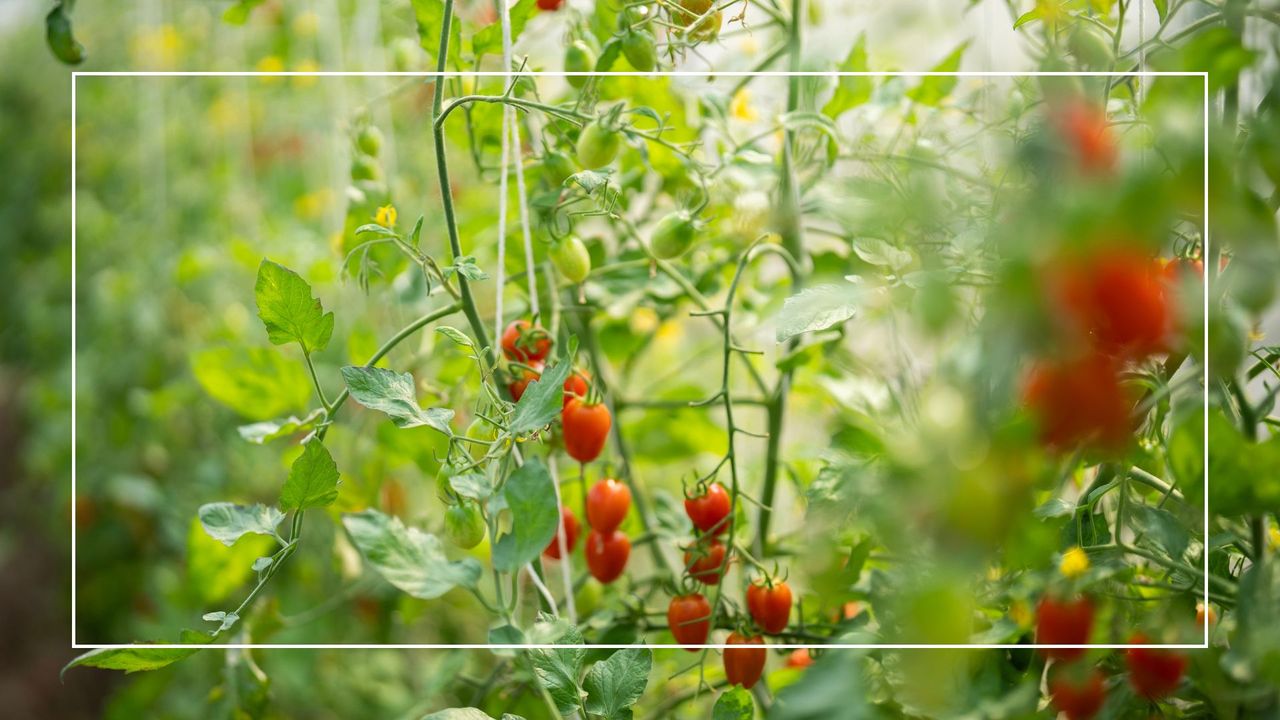
When it comes to the plants in our gardens, maximum growth is usually a good thing, no matter what it looks like. However, if your tomato plants are growing a little too tall, perhaps to their own detriment, it's wise to put a stop to it.
Whether you're learning vegetable gardening for beginners this year or growing tomato plants for the first time, you might be surprised by how large and tall they can grow. Even if you're not restricted by a small garden, allowing them to grow too can block light for other plants and become a bit of a nuisance to care for.
If you're dealing with rather unusually tall tomato plants, don't fret; we spoke to the garden experts to find out how best to 'downsize' them without damaging or decreasing their harvest.
How to stop tomato plants from growing too tall
While you might've been pruning your tomatoes properly throughout their growing process, they can often grow faster than you anticipated, and for whatever reason, you might need them to stop.
"To stop tomato plants from growing too tall, you should remove the top growing tip from your tomato plant. Simply identify the main stem and use a clean, sharp pair of pruners to cut off the top of the stem, ensuring you leave two leaves above the highest developing flower clusters," advises Lucie Bradley, gardening expert at Easy Garden Irrigation.
"After this has been done, you may find that your plant tries to develop new vertical shoots lower down the plant – make sure to remove these, so your plant directs all its sugars and nutrients to its fruits rather than new growth," she adds.
It might seem like you're taking away from the plant, but this can actually help you get more fruit out of your tomato plants this summer.


What happens if you cut the top off of a tomato plant?
Before you use your essential gardening tool and lop off the top of your tomato plant, you may be wondering what happens next.
"When you use a sharp, clean pair of pruners to remove the growing tip from your tomato plants, leaving about two leaves above the highest truss, your plant will start putting on vertical growth and divert its energies into opening the fruits it is producing," Lucie explains. "This can be both a positive and a negative step, and you must get the timing right."
"By removing the growing tip, you are essentially telling the plant to stop making new foliage and flowers, so it caps the number of fruits you will get from the plant. Many gardeners ‘top’ their plants when sufficient trusses have already appeared so that they will all grow to a good size and will ripen," Lucie explains.
"If you were to simply leave your plants to keep growing, you would likely end up with more flowers and more fruits appearing, but they don’t often have sufficient time to mature and ripen before the end of the season," she adds.
So while it may feel like you're losing out, you're actually being saved the hassle of trying to ripen green tomatoes for all of the late summertime.
Should you stop tomato plants from growing any higher?
Should you be debating whether it's worth the chop, you can wait until later in the year and prune them in August.
"It is best to stop tomato plants from growing taller roughly a month to a month and a half before the first frosts," says Richard Barker, horticulture expert and Commercial Director at LBS Horticulture. "This is because it will stop the plant from using its energy to produce more flowers and upward growth, redirecting it to green fruit to help them mature and ripen before they are potentially destroyed by the weather."
Why are my tomato plants growing so tall and spindly?
Noticed your tomato plants aren't looking quite right? Sometimes they can grow a little straggly, which isn't ideal for their health or fruit production. One of the main reasons for this is whether your garden is north-facing or has lots of shade.
"The most common reason that tomato plants grow tall and spindly is due to insufficient light – which can be a result of general weather conditions, the location of your plants or how close your plants are positioned in relation to their neighbours," says Lucie.
"Insufficient light causes your plants to trigger a survival mode called ‘etiolation’, where the plant directs its energy into extending its stems to reach light. As the stems are stretched by this rapid growth, the spaces between sets of branches become longer, resulting in plants with less foliage and tall, thinner, weaker stems," she finishes.
Tomato plants are not one of the best for thriving in shade, so ensure you have a sunny enough spot for them before you start growing your own.
Have you noticed your tomatoes are splitting? There are a few reasons this happens, but it's preventable and can be stopped even when it's already started.