
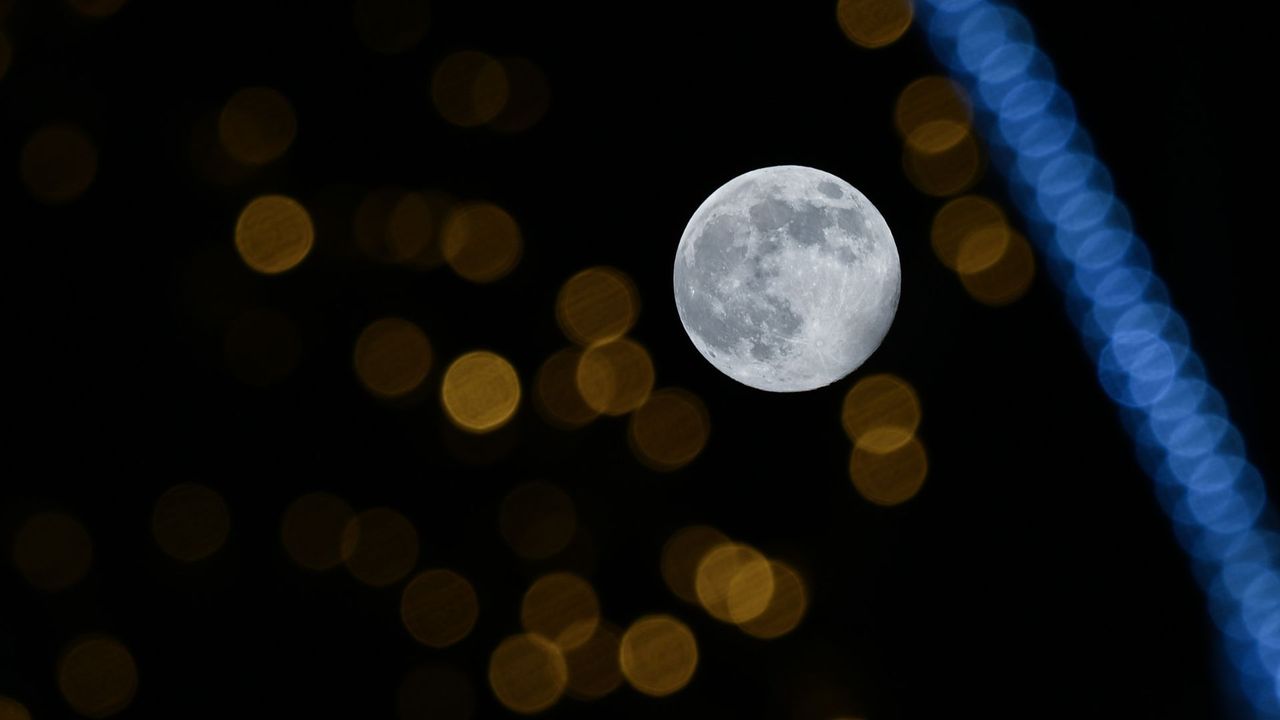
The first full moon of 2026 is ready to light up the UK skies, and it’s going to be a big, bright supermoon.
Also known as the Wolf Moon, it is the fourth supermoon in a row after October's Harvest Moon, November's Beaver Moon and the Cold Moon in December. This will be the last chance in a while to catch a supermoon, though, as the next won’t be until November 2026.

But, don’t despair, there might not be another supermoon for a while, but 2026 has a rare treat - there’ll be a total of 13 full moons throughout the year instead of 12, with two full moons expected in May.
If you want to catch the Wolf Moon tonight, here’s everything you need to know…

When is the Wolf Moon supermoon?
The Wolf Moon is officially set to hit its peak on January 3, 2026.
The supermoon will be visible on the evenings from January 2 to January 4, and the fullest point is expected at around 10am on Saturday morning.
How to see the Wolf Moon supermoon - tips and best times
The best thing about a supermoon is that it's at the point in the orbit when the moon is the closest it can be to Earth - known as the perigee. So, anyone should be able to look up and see it without obstruction. No special equipment required.
For optimal viewing, you're advised to find an area with less light pollution, but even city dwellers should be able to get a glimpse of the full supermoon without much issue.
Why is it called the Wolf Moon?
Supermoons, which refer to the occurrence when the Moon and Earth are closer than usual, making the Moon look much bigger and brighter than at any point in the year, are named after ancient traditions and customs, tied loosely to things like the Old Farmer’s Almanac.
January's supermoon is named a Wolf Moon because, traditionally, there would be a greater likelihood of seeing and hearing wolves howling during this time of the year.
Other names include the Sturgeon Moon, for the August supermoon. Tribes gave this moon its name since the species of fish appeared in higher numbers during this month.
When is the next supermoon?
There will be two more supermoons to come in 2026, in November and December.
November's full moon is known as the Beaver Moon because that's the time of year when beavers are active, storing food and building dams for the harsh winter months ahead.
December will see the Cold Moon shine bright in the sky, and it’ll fall on Christmas Eve this year.
In 2026, there’ll be two full moons in May, with one known as a blue moon. Since this doesn’t happen often, it’s from where we take the colloquial expression 'once in a blue moon'.