
Get all your news in one place.
100's of premium titles.
One app.
Start reading
Kiplinger
Kiplinger
Business
Choncé Maddox

How to Relist Your Home After a Sale Falls Through: What to Change on Price, Agent and Home Issues

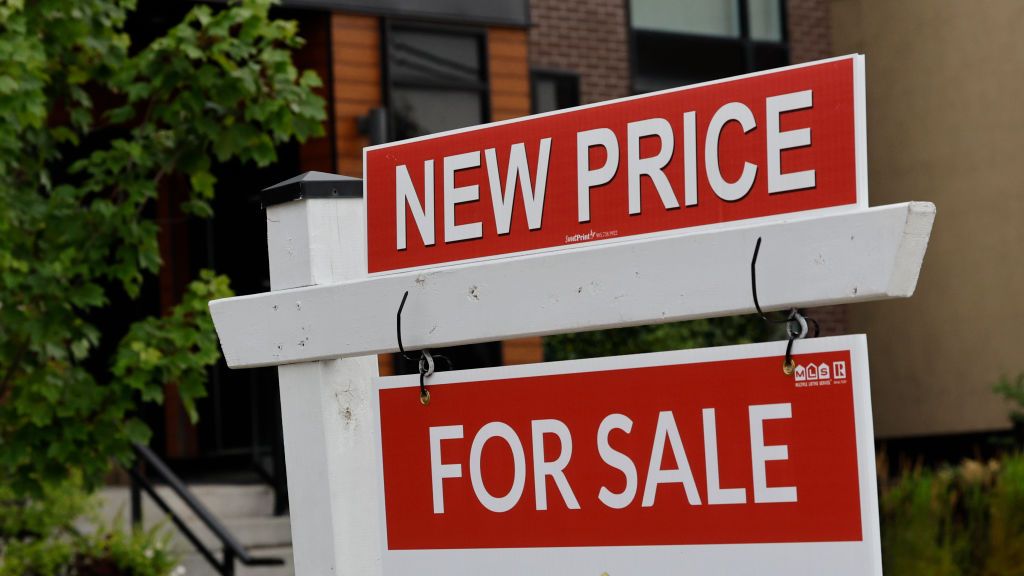
(Image credit: Toronto Star / Contributor)

A home sale falling through can be frustrating and discouraging, especially after you've already started planning your next move. With homes sitting longer on the market and more deals falling through due to financing hiccups, inspection surprises or buyer cold feet, many sellers are finding themselves back at square one.

But relisting isn't just about putting your home back online and hoping for a better outcome. In today's market, buyers are more cautious, and listings get scrutinized quickly. The good news?

A thoughtful reset can put you back in a strong position. Here's how to relist your home strategically and improve your odds of getting to the closing table this time.

Why relisting without changes rarely works

It's tempting to relist your home exactly as it was and wait for a different buyer. But most of the time, that approach backfires.

Buyers (and their agents) can see a property's history through the multiple listing service (MLS), including how long it was on the market and any price changes. If your home returns to the market unchanged, it can raise red flags, making people wonder what went wrong the first time. Instead of a simple relaunch, think of your relisting as a reset.

That means addressing past issues, adjusting your strategy and presenting the home in a fresh way.

Start with a post-mortem on what went wrong

Before you relist, take a step back and assess what caused the deal to fall through.

Common reasons can include:

  • Financing issues or loan denials
  • Low appraisal values
  • Inspection problems
  • Buyer remorse or contingency withdrawals

Talk with your agent and review feedback from showings, inspection reports and the buyer’s objections. This step is key because new buyers will likely ask the same question: Why didn’t it sell?

Having a clear, honest answer along with proof that you've addressed any issues can build trust and prevent repeat problems.

Use the Bankrate tool below to explore and compare some of today's top mortgage offers:

Reset your price for today's market

One of the biggest mistakes sellers make when relisting is sticking too closely to their original price, even when the market has clearly shifted. If your home didn't sell the first time, pricing is one of the first areas to revisit.

Start by looking at what's happening right now, not when you first listed. Are similar homes reducing their prices? Are new listings coming in lower to attract attention? Even small changes in interest rates or buyer demand can impact what buyers are willing (and able) to pay.

When a home is relisted, a strategic price adjustment is often key to success. That doesn’t always mean a drastic cut, but it does mean pricing with intention. For example, listing just below a common search threshold, like $399,000 instead of $405,000, can help your home appear in more buyer searches and generate fresh interest.

It’s also important to think in terms of momentum. A well-priced home can attract multiple showings quickly, which may lead to stronger offers and better negotiating power.

On the flip side, pricing too high can cause your listing to sit again, reinforcing the perception that something is off.

Fix the issues that killed the deal

(Image credit: Getty Images)

If an inspection derailed your previous sale, don't ignore it. Address known issues upfront, whether that's repairing a roof, updating electrical systems or resolving plumbing concerns.

You may also want to consider a pre-listing inspection so there are fewer surprises this time around.

Being proactive helps reduce the risk of another deal falling through and gives buyers more confidence when making an offer.

Refresh how the home shows online and in person

When you relist, your goal is to make the home feel new again, especially to buyers who may have already seen it before.

Start with your online presence. Updated, high-quality photos can make a big difference, particularly if your original listing had poor lighting or didn’t highlight your home’s best features. Small tweaks like brighter rooms, cleaner spaces and better angles can completely change how the home is perceived in search results.

From there, focus on the in-person experience. Decluttering, light staging and simple upgrades like fresh paint or landscaping can help buyers picture themselves living in the space. Even minor improvements can shift a buyer’s first impression from "this needs work" to "this feels move-in ready."

Consider switching agents or strategy

If your home didn’t sell the first time, it’s worth taking an honest look at your approach, and that includes your agent. A different agent can bring a fresh perspective, especially one who has experience relisting homes or handling expired listings. They may suggest a different pricing strategy, new marketing channels or ways to better position your home against current competition.

Even if you stick with the same agent, your strategy should evolve. That might include rewriting the listing description, expanding marketing efforts (like social media or targeted ads) or adjusting how showings are scheduled and managed.

How to get to the closing table this time

Once you accept an offer, the focus shifts to protecting the deal all the way through closing which is something that's become more important as more transactions fall apart.

Start by looking closely at the buyer's financial strength. A strong pre-approval, a solid down payment and fewer contingencies can reduce the risk of delays or cancellations.

From there, stay engaged during key milestones. Be responsive during the inspection process, open to reasonable repair requests and be prepared for potential appraisal gaps. Flexibility can go a long way in keeping negotiations on track.

Finally, keep communication open between all parties, including your agent, the buyer’s agent and the lender. Many deals fall through due to avoidable misunderstandings or slow responses.

The smoother you can make the process, the better your chances of making it to the finish line this time.

A failed home sale can feel discouraging, but it’s increasingly common in today’s market. The upside? Relisting gives you a second chance to correct course. With the right mix of pricing, presentation and strategy, you can turn a setback into a successful sale.

Related Content:

Sign up to read this article
Read news from 100's of titles, curated specifically for you.
Already a member? Sign in here
Related Stories
Top stories on inkl right now
One subscription that gives you access to news from hundreds of sites
Already a member? Sign in here
Our Picks
Fourteen days free
Download the app
One app. One membership.
100+ trusted global sources.


