Get all your news in one place.
100's of premium titles.
One app.
Start reading
Tom’s Guide
Tom’s Guide
Technology
Camilla Sharman

How to protect your lawn from the next heatwave: 3 drought-proofing steps pros swear by

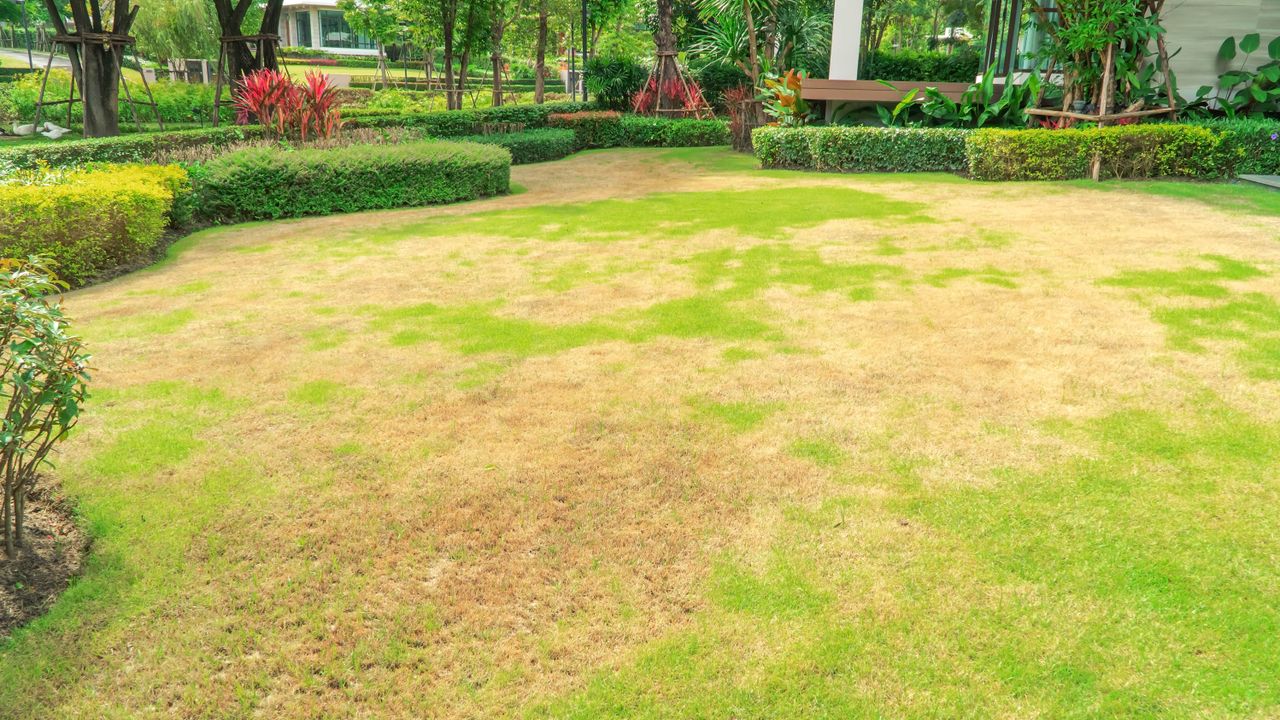
A lawn which is yellowed and damaged.

With intense heat and sparse rain, your biggest gardening dilemma right now is probably how to keep your lawn alive in a heatwave. And when your pristine, lush patch of green transforms into brittle yellow straw, your first response is most likely to panic-water it back to health.

Spotting a distressed lawn isn’t hard. Just looking at it change from a vibrant green to a blue-gray, then to yellow, before it enters dormancy to conserve water, is a clear indication that heat and lack of water have had a significant impact.

While you can always revive a scorched lawn after the damage is done, the smartest move is to take a proactive stance. Building deep drought resilience gives your grass every chance of survival before the next scorcher hits.

Here, lawn care experts share how to get your lawn prepared for another bout of heat.

Why lawns struggle during heatwaves

(Image credit: Future)

Firstly, it helps to understand what happens to a lawn when it’s heat-stressed. Much of its energy goes into coping with the heat, causing it to slow down and even enter dormancy. It also starts to lose water faster than it can obtain it.

But it's not over, as the energy gets directed to the roots to help them survive. Then, once the weather becomes milder, it will emerge from its dormant stage and turn green once more.

How to prepare your lawn for future heatwaves

1. Aerate

(Image credit: Shutterstock)

Aeration is one of the key ways to build resilience in your lawn, with Luke Taylor and Marc Kerr, founders of So & Mo, and authors of Lawns: An Uncomplicated Guide, sharing that “well-aerated lawns perform better under severe conditions of drought and waterlogging.”

So what does aeration involve, and do you need a special tool?

“Aeration is the process of creating lots of small holes, which act as channels of air all over your lawn,” explained Taylor and Kerr, adding, “It helps break down compacted soil and facilitates the penetration of water, oxygen and nutrients into the ground, which in turn increases the beneficial microbial environment and strengthens the root system,” they explain.

Aeration can be done using two methods: either using hollow tines to remove plugs of earth from the ground, or using solid tines, which push the soil down, compacting it below.

I favor using hollow tines to remove the soil, rather than compacting it further. You could try Yard Butler’s Manual Lawn Coring Aerator ($48 at Amazon), or, if you’d prefer to use a tool you already have, a garden fork will also do the job.

2. Ditch the fertilizer

(Image credit: Shutterstock)

Rather than adding extra nutrients to your lawn in a heatwave, Allison Koenig, lawn and garden expert at Tractor Supply, says it should be avoided.

“Fertilizer will scorch your grass in extreme heat and damage its root system. Your lawn is already trying to conserve water during a heatwave, so extra stress will only compound the damage,” Koenig explained.

Craig Elworthy, founder at Lawnbright, also advises against applying fertilizer, as it can further stress the lawn and cause disease. Instead, he recommends using a natural alternative that strengthens grass roots systems and improves drought resistance. He advises, “Consider applying liquid sea kelp or humic acid to help the lawn deal with heat stress.”

3. Get into the habit of deep watering

(Image credit: Shutterstock)

“It may be tempting to water your lawn for a short period each day, but these short, frequent waterings cause the grass to develop a shallow root system or lead to overwatering, which can cause disease,” explained Koenig.

And it’s this shallow root system that makes the turf vulnerable to burning out during periods of stress, such as heat and drought.

Instead, she advised, “If watering is needed in any season, prioritize long, deep, infrequent waterings. This will allow the water to get down deep into the root system, which encourages the deeper root growth needed to adequately store the nutrients and water it needs to survive high temperatures.”

The time of day you water your lawn will also affect how much water is absorbed and whether water droplets scorch and damage the grass. The best time of day is always in the early morning.

Gardening essentials we love

More from Tom's Guide

Felco F2 Pruning Shears Amazing Stuff Garden Gloves Corona ComfortGEL 6.5 inch Stainless Steel Hand Trowel: CobraHead Original Weeder & Cultivator
Sign up to read this article
Read news from 100's of titles, curated specifically for you.
Already a member? Sign in here
Related Stories
Top stories on inkl right now
One subscription that gives you access to news from hundreds of sites
Already a member? Sign in here
Our Picks
Fourteen days free
Download the app
One app. One membership.
100+ trusted global sources.