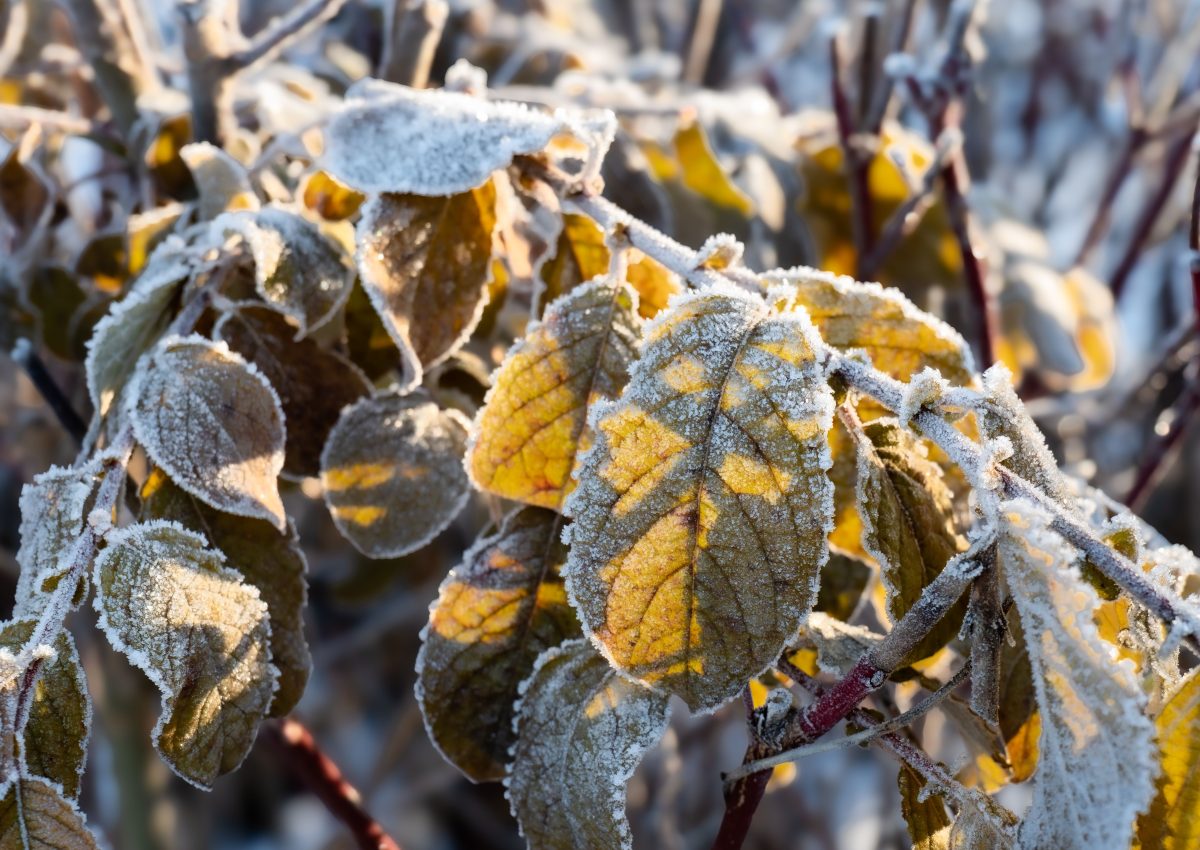
You might assume that freezing temperatures are the biggest threat to young trees during winter, but surprisingly, sunshine can cause serious damage, too. A bright winter afternoon followed by a freezing night can create conditions that split bark, injure living tissue, and leave trees vulnerable to disease. If you’ve recently planted a maple, fruit tree, or ornamental shade tree, understanding this seasonal threat could save you from having to replace an expensive landscape investment.
Winter sunscald protection is especially important for newly planted trees and species with thin bark. According to Utah State University, bark on the sunny side of a tree can become as much as 77 degrees Fahrenheit warmer than bark on the shaded side during certain winter conditions. Fortunately, protecting vulnerable trees often requires little more than inexpensive materials and a few minutes of fall preparation.