There are 22 million people who work shift schedules in the United States every day. If you are one of them, you already know that flipping your internal clock upside down requires more than just willpower. Navigating a graveyard shift without completely draining your physical and mental batteries demands a systematic approach to how you sleep, eat, and manage your light exposure.
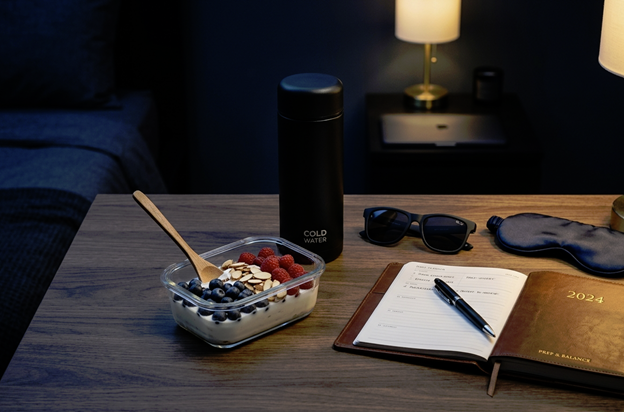
Image Source: Google Gemini
Flipping Your Circadian Rhythm Before the Shift
Transitioning to overnight work can harm your health, and so requires a deliberate strategy to reset your internal clock. Trying to force yourself to stay awake all night without a preparation phase can lead to acute sleep deprivation, which impairs your reaction times and cognitive clarity.
Instead of waiting for your first night shift to stay awake, start modifying your sleep schedule two to three days in advance by pushing your bedtime back by two hours each night. This gradual shift makes it easier for your body to adjust its natural melatonin production.
A quiet, dark environment is essential when you sleep during daylight hours. Investing in blackout curtains and using white noise machines can help you mimic a nighttime environment, preventing daylight from disrupting your deep sleep cycles.
Strategic Fuel and Hydration for the Overnight Hours
Eating heavy meals during a graveyard shift causes severe digestive sluggishness. Your metabolism naturally slows down overnight, meaning large portions of carbohydrates or greasy foods will trigger a massive energy crash.
When fatigue hits hard around 3:00 AM, you need an efficient way to sustain your focus. Instead of relying on a sugary beverage that leaves you jittery, you can grab a fast energy boost in the form of an energy drink to help bridge the gap during your toughest working hours. This can help maintain alertness and keep you going during demanding shifts.
Maintaining steady energy requires a deliberate approach to food and hydration:
- Pack high-protein snacks like almonds, Greek yogurt, or turkey slices to keep your blood sugar stable
- Sip cold water consistently throughout the night to combat the dehydrating effects of climate-controlled facilities
- Keep a food journal for the first few weeks to track which meals cause bloating or mid-shift fatigue
If your job requires intense physical labor or high-level clinical focus, planning your meals helps break the cycle of relying on vending machine snacks. Spacing out smaller meals ensures your brain gets a steady stream of fuel without overloading your digestive system.
Managing Light Exposure and Post-Shift Recovery
Light is the primary cue that dictates your sleep-wake cycle. Maximizing exposure to bright, blue-enriched light during the first half of your shift signals your brain that it is time to be alert and operational.
As your shift nears its end, you must reverse this process entirely. Clinical guidance from the Sleep Foundation on managing circadian rhythms highlights that blocking out morning sunlight during your drive home is critical to preventing your brain from triggering a waking response. Put on dark sunglasses before walking out of the building to keep the morning sun from resetting your internal clock.
Once you arrive home, avoid looking at your phone or turning on the television. The blue light emitted by digital screens mimics sunlight, which instantly delays sleep onset. Go straight to your darkened bedroom so your body can transition into recovery mode immediately.
Master the Overnight Routine
Thriving on the night shift is entirely possible when you treat your sleep and energy management like a professional discipline. Building a predictable routine before, during, and after your on-the-clock hours will protect your health and keep your career sustainable over the long haul. To discover more practical advice on building healthier daily habits and maintaining peak performance during demanding work weeks, explore our collection of workplace wellness strategies on the blog, and read more of the posts we’ve published on a whole range of other topics.