Whether you're looking to build your emergency fund or save for a short-term goal, a high-yield savings account (HYSA) can help you achieve them. They are also great savings vehicles for investors looking to avoid the short-term capital gains tax.
When searching for a HYSA, the best place is online. Why? Because online banks offer much better returns and their accounts usually come with no account minimums or fees.
If you've been curious about opening a savings account online but haven't gotten around to it, I'll show you an easy way to start maximizing your returns. Best of all, you can do it in a matter of minutes.
A checklist for finding a high-yield savings account that fits your needs
Before choosing between a myriad of online savings options, here are a few questions to answer:
- How often do you need to access your money?
- Do you plan to move all of your banking online or just your savings?
- Does the APY help you reach your financial needs?
- Is the bank FDIC-insured? (This protects your money up to $250,000 if your bank fails)
- How easy is it to transfer money in and out of the account?
- Does the bank offer responsive customer service?
Answering these questions can narrow down your search. From there, we did the homework for you. I review savings rates weekly and found these to be among the best offerings available:
Account |
APY |
Min. opening deposit |
|---|---|---|
4.35% |
$0 |
|
4.10% |
$100 |
|
4.10% |
$2,500 |
|
4.05% |
$0 |
|
4.02% |
$500 |
|
4.00% |
$1,000 |
|
3.75% |
$5,000 |
Steps for opening an online savings account

Once you have the account you want, setting it up is easy. Normally, the bank will guide you through the process through application prompts. You'll need to provide basic information, such as your name, address, phone number, Social Security number, date of birth and email address.
Furthermore, your new bank will have you set up a username and password for online access. Use a password manager like 1Password to assist you. Password managers create a layer of security with hard-to-crack passwords.
Finally, you'll need to supply your funding information. Usually, when you open an online account, you can transfer money from another bank account via an ACH transfer.
As such, they'll need your bank account and routing numbers to complete it. Once you finish the application, your bank will review it, verify your identity and you'll receive a confirmation email once they open your account.
Keeping your savings account secure
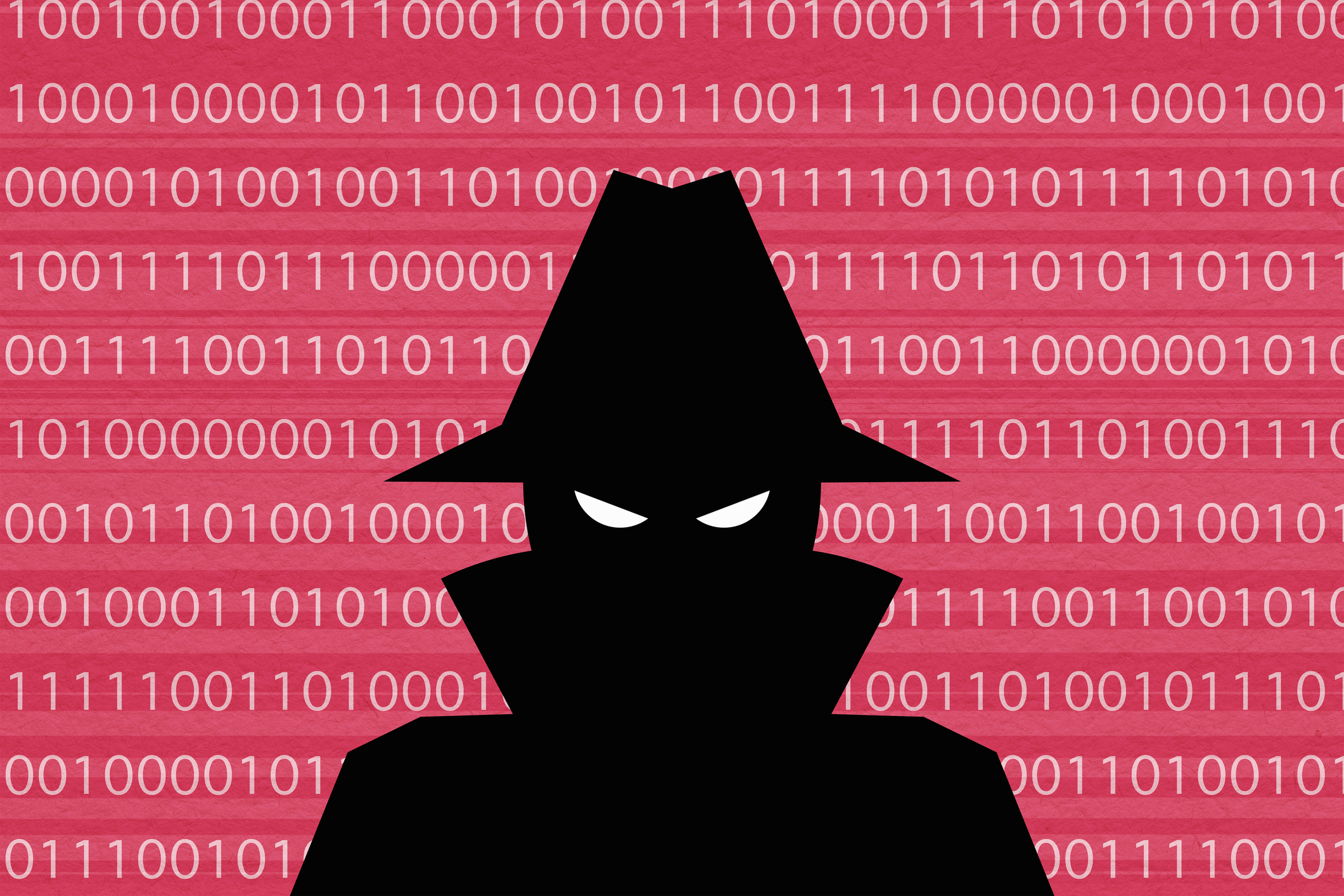
Since you're accessing your account online, security is essential. Along with using a password manager, keep these online safety tips in mind:
- Never write down your login
- Always enable two-factor authentication (2FA), which is where your bank will text or email you a code to access your account
- Don't use public Wi-Fi to access your account, as others accessing the same network can see your activity
- Set up account alerts via text, as this can help you identify any unauthorized activity so you can report it promptly
- Be aware of phishing scams, where scammers will text or email you a link claiming to be from your bank, asking for personal information
Doing these things will keep your account safe. It will also help you reap the rewards of having an account that offers you better rates and fewer fees. However, there are a few things you should consider before opening one.
The challenges of online banking
The biggest challenge I've encountered with online banking is making cash deposits, as deposit options vary depending on your bank. Some banks allow you to do so through ATM transactions if you have a card, while others require you to visit a local CVS to complete the deposit (Varo Bank offers this).
A workaround is to deposit cash into your checking account (if you have a local bank) and transfer it electronically via ACH to your online bank. It usually takes just one business day for the transfer.
Another aspect to consider is customer service. With a local bank, you have a face-to-face interaction with a banker. In contrast, online banks handle customer service through phone, chat, or email.
Therefore, if you're uncomfortable with this form of engagement or have an aging parent who relies on in-person guidance, an online account may not be the best choice.
Final thoughts: Making the switch is well worth it
Online banks offer ease of use, higher APYs and fewer fees, but there are a few trade-offs to consider, including limited options for cash deposits and the lack of in-person customer service.
Even so, an online high-yield savings account can help you maximize your returns. Opening one is typically easy and secure, making it a smart step toward reaching your financial goals.