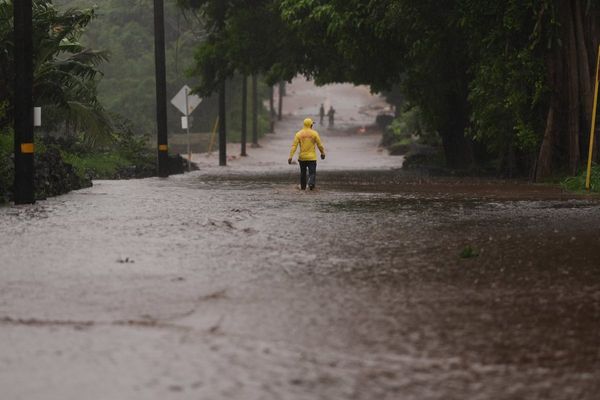
Losing power during cold weather creates an urgent problem: your home will start losing heat within hours, and without a plan, you could be facing frozen pipes, potential health risks, and serious discomfort. Beyond personal safety, an unheated home can suffer structural damage from burst pipes and develop mold issues from condensation.
The key to surviving a winter power outage is having emergency heating methods ready before disaster strikes. While you can't always predict when the power will fail, you can prepare alternative heating sources and strategies that don't rely on electricity.
Here are five ways to keep your home warm during a power outage, from immediate actions you can take right now to long-term solutions worth considering.
1. Isolate and insulate one room
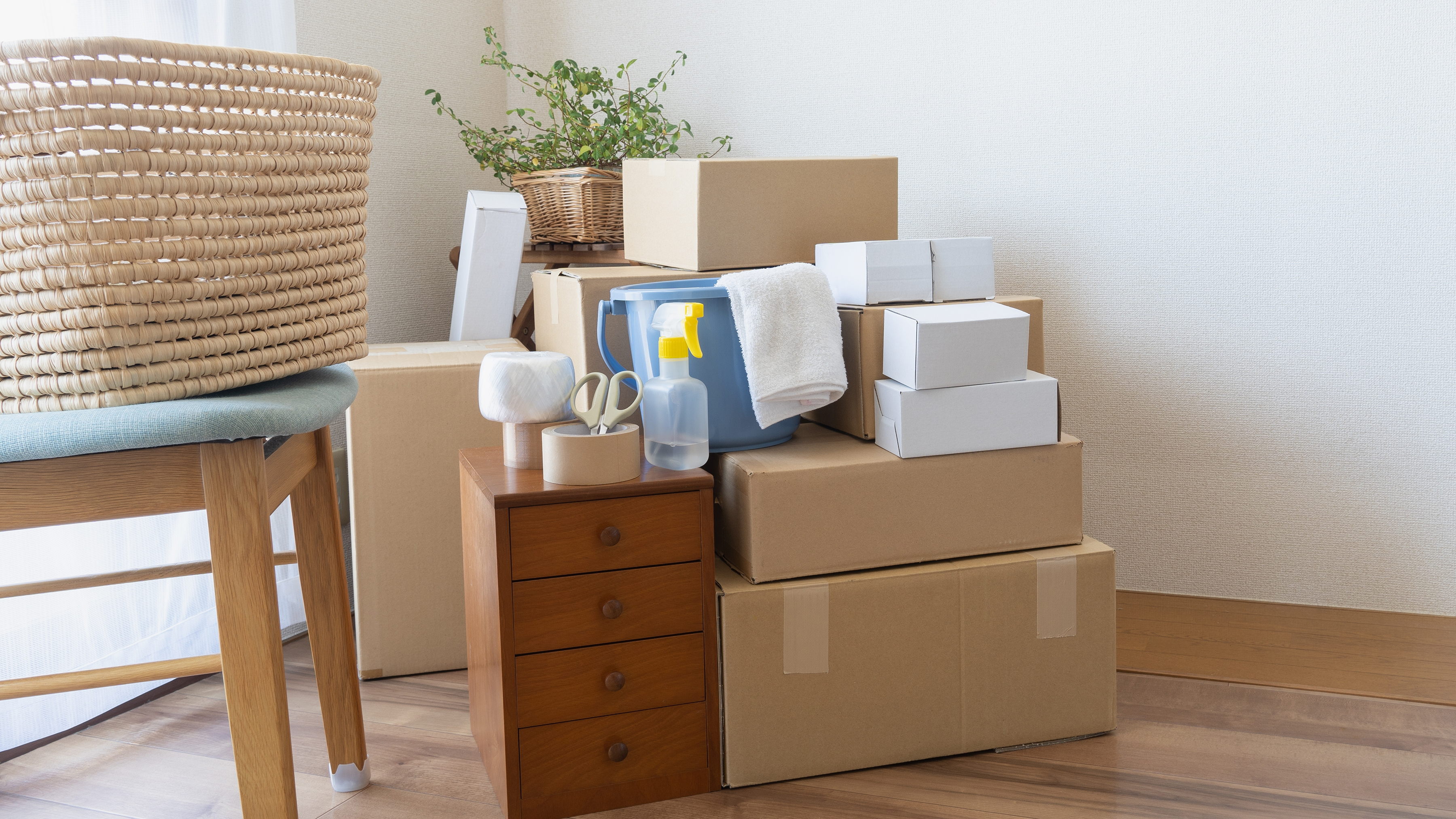
Don't try to heat your entire house during a power outage. it's inefficient and nearly impossible without your furnace. Choose one room with the fewest windows and best insulation, then close all doors leading to other parts of the house to trap heat in that single space. Smaller spaces retain warmth much more effectively than trying to maintain temperature throughout your home.
Move everyone into this room and bring essential supplies like blankets, food, water, and medications. Close interior doors to unused rooms to prevent heat from escaping into areas you're not occupying. The goal is creating a warm microclimate where your family can stay safe until power returns.
2. Block all drafts and seal windows
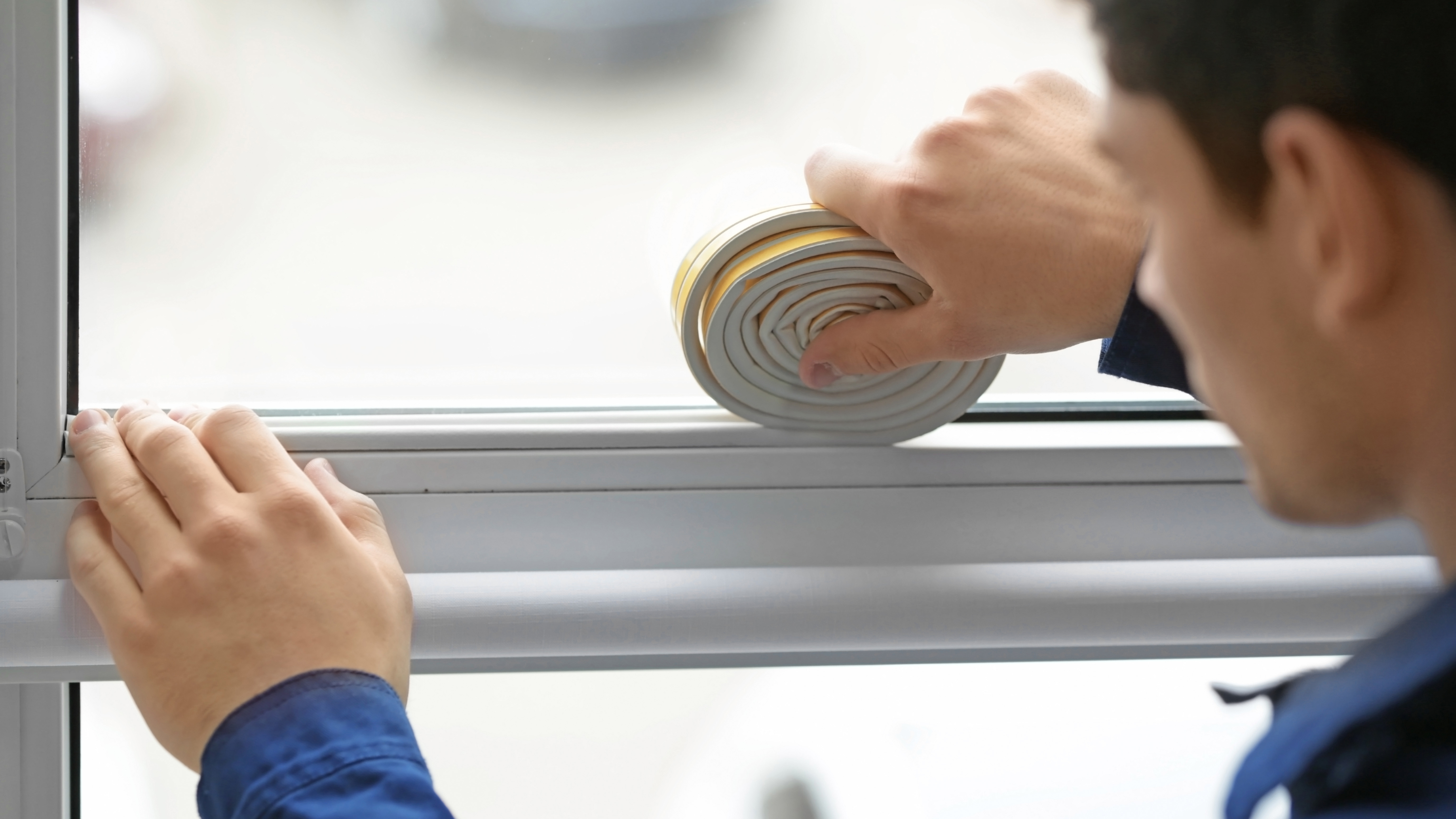
Cold air leaking through gaps around doors and windows will rapidly drain whatever warmth you manage to generate. Walk around your house and identify where you feel cold air coming in — common culprits include door thresholds, window frames, and gaps where pipes or wires enter walls. Seal off any drafts around windows and doors in your chosen room using towels, blankets, or weatherstripping.
If you have heavy curtains or drapes, close them to add an extra insulation layer over windows, which are major sources of heat loss. If you have it available, you could always tape plastic sheeting or even cardboard over the windows.
Put rugs or blankets on floors, especially if you have hardwood or tile, since cold floors pull heat from your body. These blocking and insulating measures don't generate heat, but they dramatically slow how quickly your home loses whatever warmth remains.
3. Run a generator to power space heaters

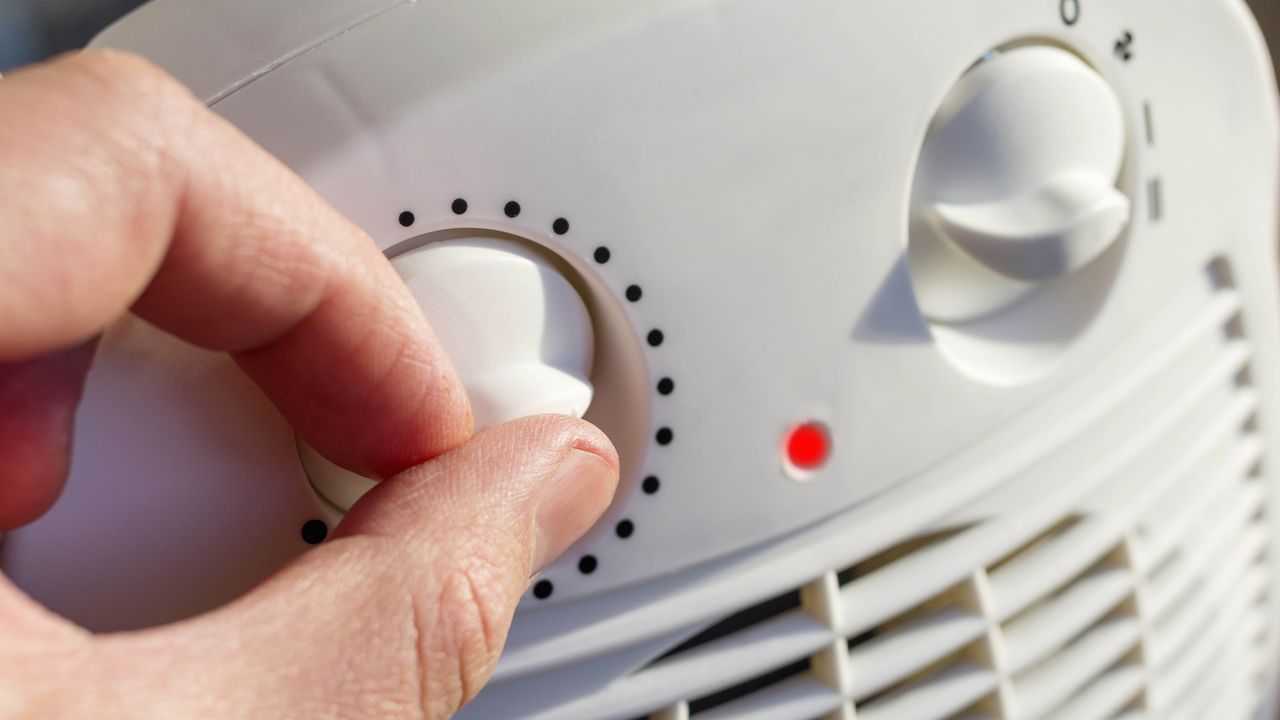
If you own a portable generator, you can use it to run electric space heaters in your chosen room. This is one of the most effective emergency heating methods, but it requires proper setup to avoid deadly carbon monoxide poisoning.
Never run a generator indoors, in your garage, or near windows — it must be outside and at least 20 feet from your home with the exhaust pointing away from windows and doors. Use heavy-duty outdoor extension cords rated for the generator's output to power space heaters inside.
Ceramic space heaters work best because they heat up quickly and have safety features like tip-over protection and auto-shutoff. Only run the generator in well-ventilated outdoor areas and make sure your carbon monoxide detectors have fresh batteries before any emergency occurs.
4. Use wood stoves, pellet stoves, or gas fireplaces
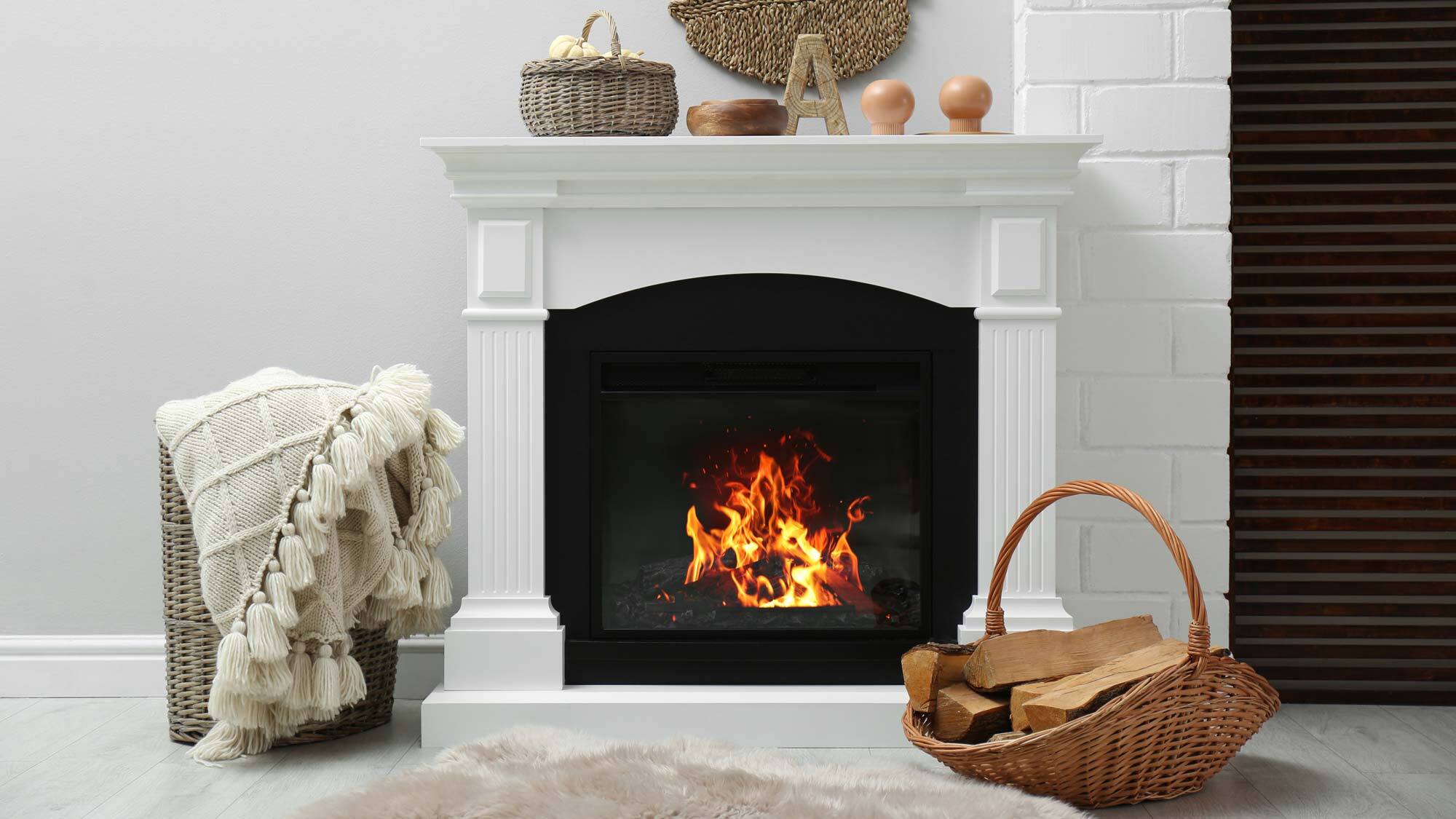
If you have a wood-burning stove, pellet stove, or gas fireplace, you've got a major advantage during power outages since these don't rely on electricity to generate heat. Make sure you've stocked plenty of dry firewood or pellets — once a storm knocks out power, you won't be able to get more supplies.
Wood stoves can heat large areas effectively and will keep working as long as you have fuel. Gas fireplaces usually work without power, though some models might need electricity for ignition or fans. Pellet stoves often require a battery backup to operate their auger system that feeds pellets into the burn chamber, so check your model's requirements.
Keep flammable materials away from any heat source, ensure proper ventilation to prevent carbon monoxide buildup, and never leave fires unattended. Verify that your smoke and carbon monoxide detectors are working before you need them.
5. Install solar panels for long-term protection
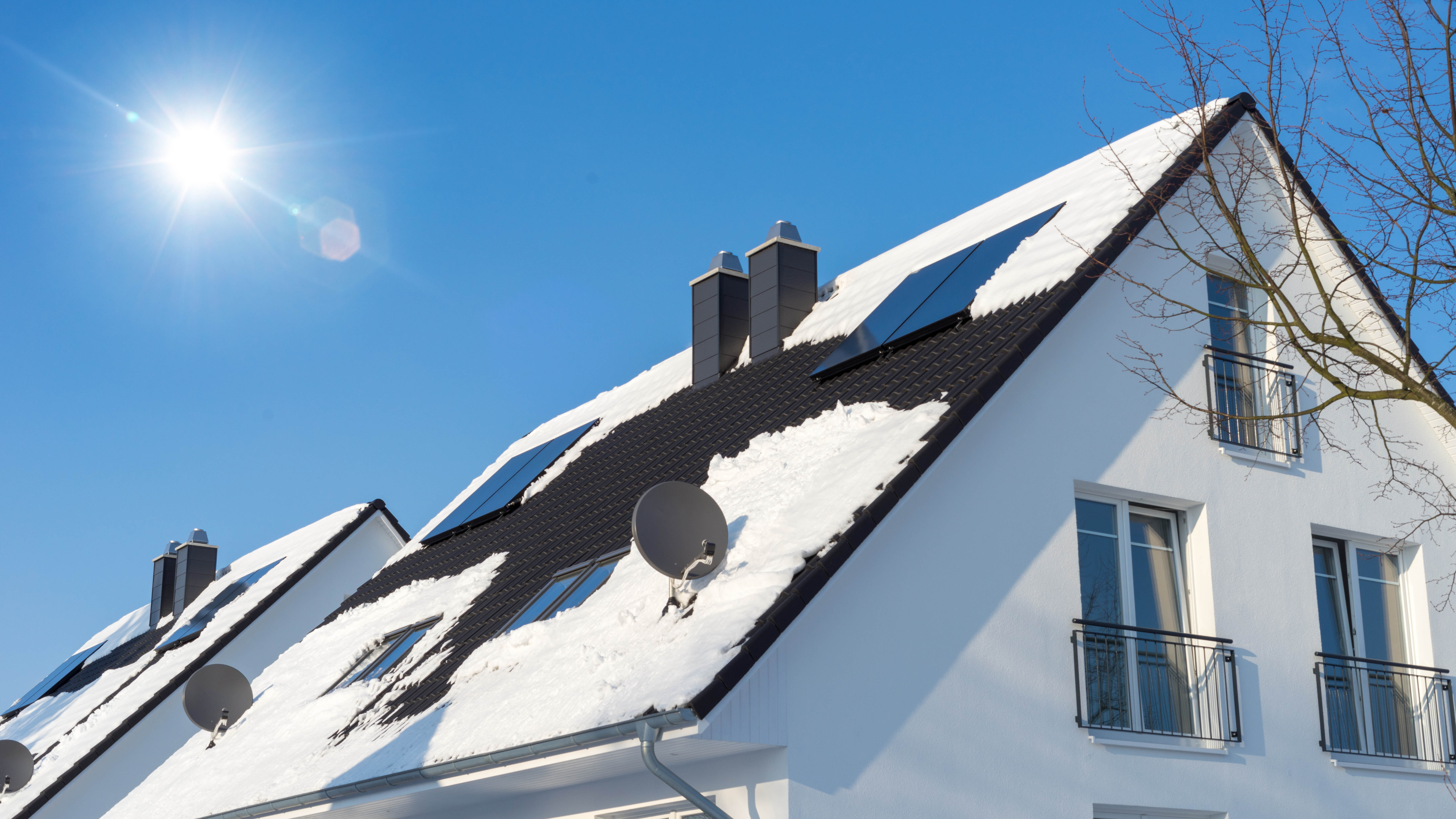
Solar panels with battery backup provide the most reliable long-term solution for power outages because they keep your heating system (if it's electric) running even when the grid fails. When the power goes out, homes with solar and battery storage can continue operating their HVAC systems, lights, and appliances while everyone else sits in the dark.
The upfront cost is significant, but extreme weather and major outages are becoming increasingly common, making this investment more worthwhile. Solar panels prevent the cascade of problems that come with extended power loss: spoiled food, frozen pipes, property damage, and so on.
Beyond emergency preparedness, solar panels reduce your electricity costs year-round and increase your home's value. If you live in an area prone to severe weather or unreliable power infrastructure, solar with battery storage is worth serious consideration.

Follow Tom's Guide on Google News and add us as a preferred source to get our up-to-date news, analysis, and reviews in your feeds. Make sure to click the Follow button!