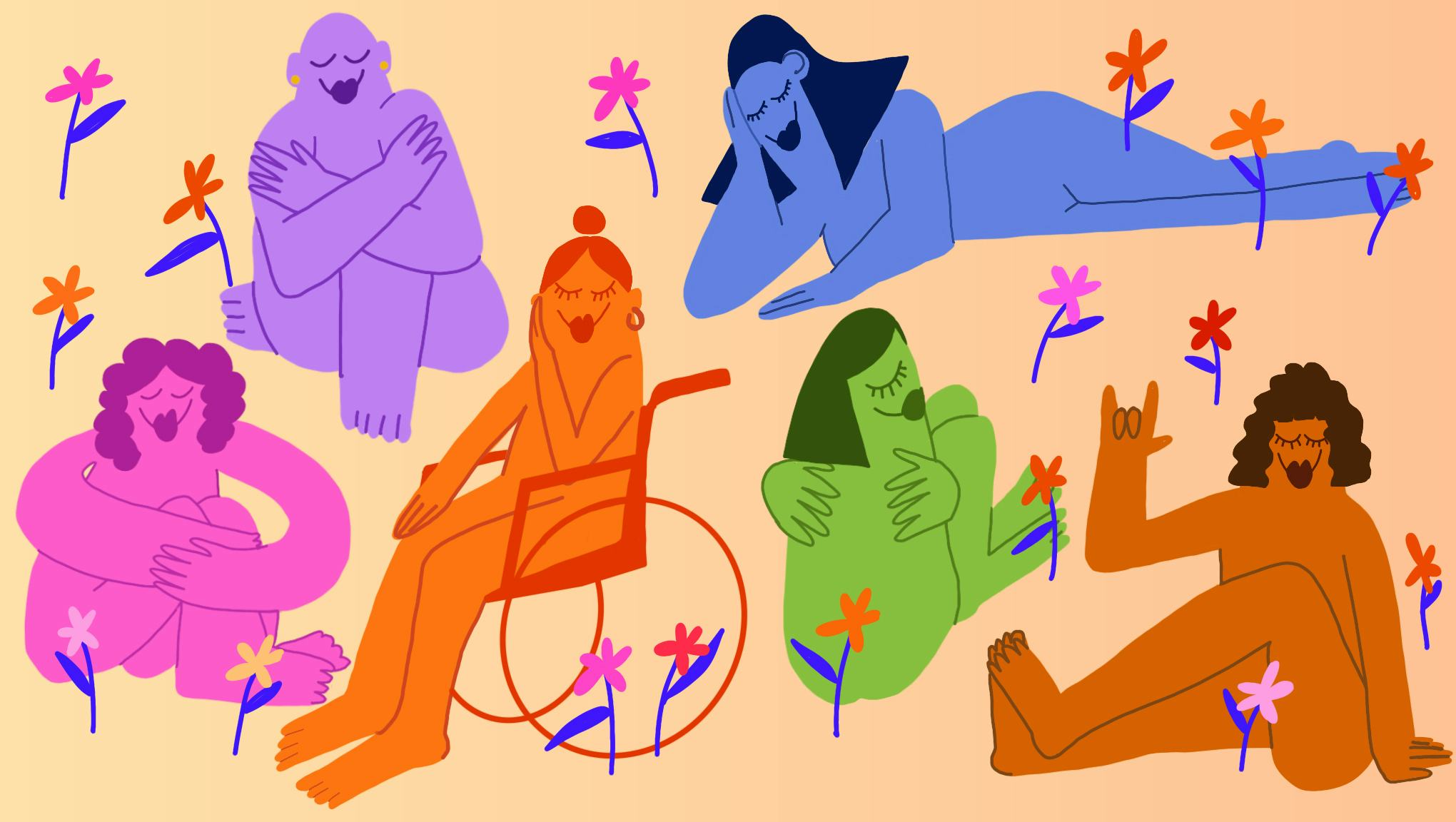
The pandemic — and lockdown-induced lethargy many have experienced for months — did a number on our bodies. Maybe the number on the scale has shifted a little to the right, or our clothes no longer fit. And as gyms open back up, there's a lot of talk, especially on social media, about getting our bods Hot Vax Summer-ready. In the midst of all this noise, a common piece of advice has been to focus less on what our bodies look like and more on what they can do. But while these calls for body acceptance rightly push back against fatphobia, they end up excluding disabled people.
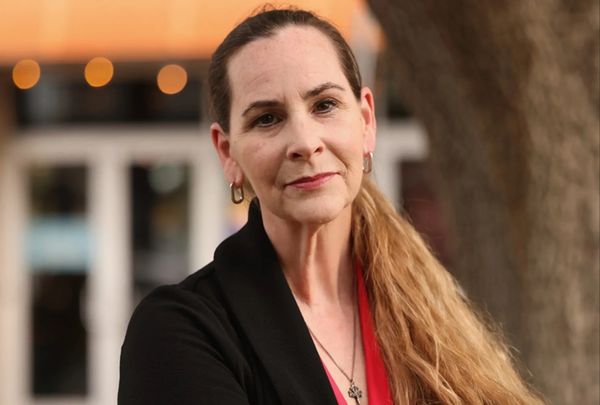
Tinu Abayomi-Paul, a disability rights advocate, writer, and founder of Everywhere Accessible, an organization that crowdsources solutions to accessibility for marginalized people, says that she often feels left out of the body acceptance conversation. "There’s a lot of things that my body can’t do. I wake up some days, and my legs don’t want to work correctly," she says. Abayomi-Paul — who has fibromyalgia, chronic lymphocytic leukemia, audio processing disorder, PTSD, and other mental and physical disabilities — tells Mic that she can walk up and down her stairs twice a day at most, and remains mostly homebound.