

People have been battling higher prices everywhere, but rate hikes for automobile and homeowners insurance have been especially nasty. Premiums in both markets skyrocketed over the past couple of years.
Some states, including New Jersey, Utah and Vermont, still have relatively cheap home insurance markets, but others, such as Colorado, New Mexico and Texas, are dealing with much more expensive premiums. In California and Florida, homeowners are struggling just to find coverage.
Given that auto and home insurance are usually mandatory, these premium increases may feel particularly painful. Nearly every state requires drivers to have at least basic liability auto insurance coverage to pay for damage they cause to others in accidents.
Lenders typically require homeowners with a mortgage to buy insurance. Even if you own your home outright, it’s not wise to leave your property unprotected.
What’s causing all this havoc in the insurance markets? Is there any relief in sight? And what can you do to trim your costs? Here's what you need to know.
Why car insurance premiums are rising
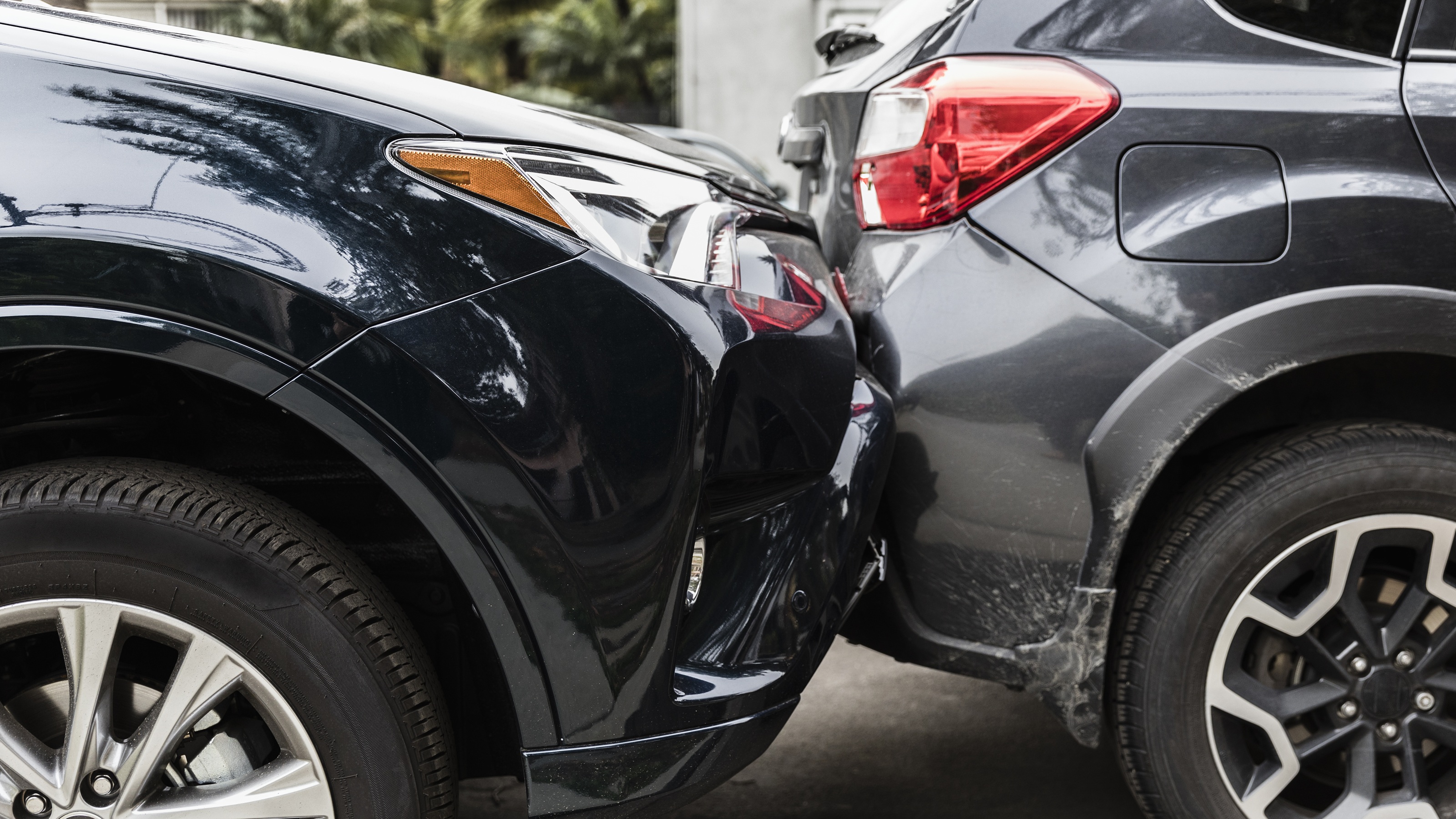
More crashes
Dangerous driving behaviors — including speeding, reckless maneuvers and distractions from mobile devices and in-vehicle screens — increased after the pandemic, contributing to more crashes and insurance claims in recent years.
In the first half of 2025, an estimated 17,140 people were killed in motor vehicle crashes, according to data from the National Highway Traffic Safety Administration.
More expensive repairs
Auto repair shops are dealing with inflation, supply chain issues and labor shortages. They are passing on these costs to consumers and their insurers. Repairs are taking longer as garages wait on parts, meaning auto insurance policies must provide policyholders with longer vehicle rentals.
Finally, used cars have been retaining more of their value post-pandemic because of higher demand. If you total your car, most auto insurance policies pay the value of your vehicle on the day of the crash. Because used vehicles are worth more, on average, than they used to be, they are more expensive for insurers to replace.
More lawsuits
These days, people are more likely to sue and to be awarded much larger settlements for their accident-related injuries than in the past. Auto insurance policies usually cap what they pay for lawsuits against you at $500,000 if you buy the maximum coverage.
You might buy an umbrella policy with additional liability coverage to protect against lawsuits beyond your auto liability limit. As seven-figure settlements become more common, umbrella insurance costs are also rising.
How to lower your car insurance bill

Auto insurance premiums are increasing as insurers adjust to this perfect storm of issues. But once those factors are priced in, the pace of rate increases should slow down. How how can you save money until then? Here are a few strategies.
Check for discounts
Most insurers offer a range of discounts, usually tied to improved safety or demonstrating your commitment to better driving. For example, taking a defensive driving course or installing an anti-theft device on your vehicle are often ways to save money.
Just make sure to ask your insurer what discounts they offer and provide proof of meeting the requirements afterward.
You could also qualify for discounts by paying your premium annually and opting for electronic statements. Finally, depending on the insurer, you might get a lower rate if you’re older than 55, a military member or veteran, a federal employee, or a member of certain academic, professional and trade organizations.
Save with safe driving
Many insurers offer discounts if you agree to use a telematics system to monitor your driving habits — through either an app you download on your phone or a device you temporarily plug into your vehicle’s diagnostic port.
The app or device checks for risky behaviors such as hard stops, quick acceleration and driving after midnight, when the roads are more dangerous because of drunk drivers.
Some insurers will give you a premium credit of at least 10% just for agreeing to the test. And companies usually don’t penalize bad driving; they just withhold the discount for drivers who don’t meet the safety standards.
If you work remotely and aren’t commuting every day, you could set up a mileage-based auto insurance policy. Your premium depends on how many miles you drive each month, so people who spend little time on the road can save.
Pay for minor repairs out of pocket
Auto insurance companies increase your rates for every claim you make. You may come out ahead in the long run by paying for small repairs out of pocket. A good rule of thumb to go by: If the cost of the repair is likely to be at or below your deductible, don't bother with a claim because you wouldn't get much, if any, payout anyway.
Estimate insurance costs before buying a car
When it comes to car insurance, not all cars are created equal. Some makes and models cost more to insure. Newer vehicles with more technology are more expensive to insure, for example. So are sports cars, which have higher accident rates on average.
If you're in the market to buy a new car, do some research before heading to the dealership to get an idea of how much the models you're interested in would raise (or lower) your premium.
Drop rental coverage if you have a backup
If you have more than one vehicle available, consider dropping your auto policy’s rental coverage, which provides you with a car to drive if yours is in the shop for a lengthy repair. Instead, drive the backup vehicle.
Increase your deductible
The deductible is what you pay out of pocket before insurance kicks in. Raising your deductible lowers your monthly premium. Make sure to keep enough money in savings to cover your deductible in case of an accident.
Even better, stash that car emergency fund in a high yield savings account so it's earning for you instead of just sitting there. You can use the tool below, powered by Bankrate, to find the top-earning savings accounts available today:
Remove collision coverage from old vehicles
If your car is so old that it isn’t worth much, consider dropping collision and comprehensive coverage while keeping the minimum coverage required by your state. Your insurance would pay to repair the damage you cause to others, but not to repair or replace your vehicle.
You must have paid off the car first, as lenders require you to maintain insurance when you have an outstanding auto loan.
Bundle multiple policies with one insurer
Insurers often offer discounts if you buy multiple types of insurance from them. For example, if you purchase auto, home, boat and/or life policies from one insurer, you could qualify for a discount on all the premiums.
Why homeowners insurance is getting more expensive

Disasters nationwide
Homeowners insurance premiums are rising primarily for one reason: The country is being hit with increasingly intense natural disasters, such as hurricanes, blizzards and wildfires, and dealing with the aftermath is getting more expensive.
Rising costs from inflation, labor shortages and supply-chain issues mean home repairs have become more expensive. If you rent your home and buy renters' insurance, you’re likely seeing an increase in premiums, too.
The impact of these disasters is hitting some harder than other, leading to some states having far more expensive home insurance than others. In California and Florida, for example, the insurance market has become so challenging that many homeowners struggle to buy insurance.
Regulatory issues
Though more costly disasters are the root cause of insurance woes in California and Florida, government and regulatory issues haven’t helped.
California’s Department of Insurance restricted insurers from raising premiums to compensate for higher costs. In response, insurers pulled out of areas vulnerable to wildfires. California has since started allowing future rate increases, which could encourage insurers to return.
In Florida, meanwhile, there were problems with contractors running roofing insurance scams. The contractors would offer homeowners a free roof by finding signs of storm damage, though the damage wasn’t enough to justify an insurance claim.
The contractors would then sue insurers for refusing payment, hoping to get a large settlement in court far beyond the cost of the roof. Even though Florida represented just 8% of national homeowners' claims in 2019, it accounted for more than 76% of all litigation claims.
How to lower your home insurance bill

While changes to address regulatory and legal issues could help in markets that are facing those difficulties, the country is still dealing with more natural disasters. So, what can you do to qualify for a more affordable policy?
Use all possible discounts
Insurers may offer discounts for paying your premium annually instead of monthly, switching to paperless statements, being a nonsmoker, being a loyal customer, avoiding claims for several years, and bundling your homeowners insurance with other policies, such as auto, boat and life.
Keep your home safe
Taking steps to protect your home can prevent costly claims and qualify you for other discounts. Even simple DIY home security upgrades can translate into lower premiums.
For example, insurers might give a credit for setting up a fire alarm and home-security system. You could also set up leak-detection devices to catch flooding early. If your heating, plumbing and electrical systems are getting up there in age, consider replacing them for another discount. Finally, you could save by removing a dangerous “attractive nuisance,” such as a trampoline, pool or treehouse.
Invest in home hardening
Home-hardening renovations protect your property against the most severe local risks. In a fire zone, you could replace your roof, deck and walls with fire-resistant materials. In an area vulnerable to hurricanes, you might replace the roof with one more resistant to wind and leaks, buy a sump pump for the basement, and install stormproof doors and windows.
Making the investment increases your chances of qualifying for a policy and possibly getting better rates.
Raise your deductible
Increasing your deductible reduces your monthly premium, though you’ll pay more out of pocket when filing a claim. Not sure how high you should go? Some homeowners follow the 1% deductible rule to determine the right amount. This provides a good balance of premium savings without the risk of raising the deductible beyond what you can afford.
Improve your credit score
In some states, insurers can consider your credit score when setting insurance premiums. By improving your credit score, you can save on your home and auto insurance premiums. To boost your score, make your monthly loan and credit card payments on time, and limit your credit card balances to no more than 30% of your available credit.
Don’t cancel coverage
Even if you've paid off your mortgage and home insurance isn't required by your lender anymore, it's still probably a better financial decision in the long-run to keep paying for it. Insurers consider whether you maintain ongoing coverage as a factor in their decisions.
Note: This item first appeared in Kiplinger's Personal Finance Magazine, a monthly, trustworthy source of advice and guidance. Subscribe here to help you make more money and keep more of the money you make.