Get all your news in one place.
100’s of premium titles.
One app.
Start reading
The Times of India
The Times of India
National
TNN

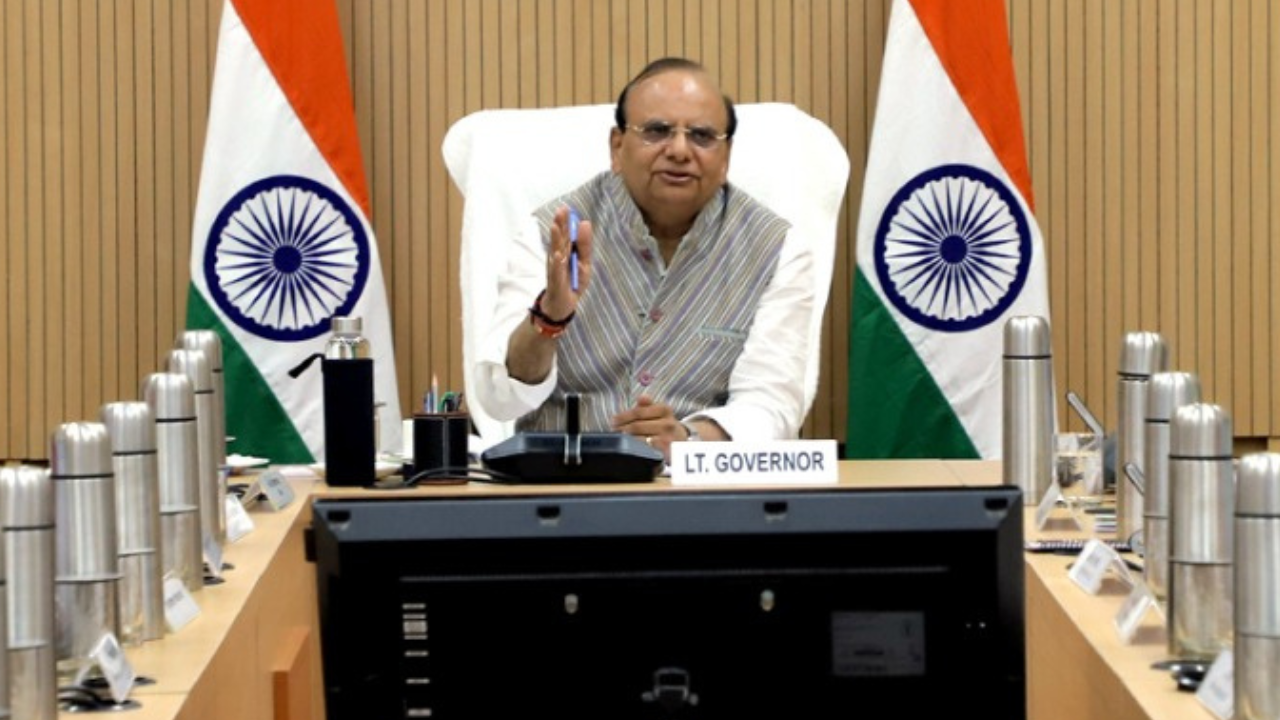
How to clean Yamuna? Delhi lieutenant governor VK Saxena seeks options from public

NEW DELHI: A day after he called upon Delhiites to send in their views on how to clear the legacy waste at the city’s three landfill sites, lieutenant governor V K Saxena on Saturday sought people’s suggestions for cleaning the Yamuna.

In a social media post, the LG said that due to the dumping of sewage in the river over the years, the Yamuna has turned into a drain. “By discharging 784 MGD sewage in Yamuna, we have converted our lifeline into a muck-filled drain. It’s time we treat all sewage generated and reuse rather than dump it into the holy river. Your suggestions and participation will be crucial to address this problem,” the LG said in a Twitter post.
As per the graphic that accompanied the tweet, the daily sewage discharge into the Yamuna includes 570 million gallons of treated sewage every day and 214 MGD of untreated sewage discharge. “The challenge we have inherited since years! Let’s come together to overcome it,” the post read. It added that people can send their suggestions to an email address — ‘writetolgdelhi@gmail.com’.

According to Delhi Pollution Control Committee, domestically generated sewage is the major reason behind pollution in the Yamuna as it contributes to about 80% of total effluents being discharged into the river. DPCC keeps a check on the Yamuna water quality at nine locations and also monitors 24 drains, which includes two drains coming from Uttar Pradesh, discharging the effluent into the river on a monthly basis.

According to officials, there are 34 operational sewage treatment plants of Delhi Jal Board with an installed capacity to treat 577 MGD. The agency has also laid interceptor sewers to trap the sewage being discharged through sub-drains, namely Najafgarh drain, supplementary drain and Shahdara drain.

DJB on Friday approved projects worth Rs 1,855 crore to ensure sewage of a large number of unauthorised colonies and villages does not enter the river.

Sign up to read this article
Read news from 100’s of titles, curated specifically for you.
Already a member? Sign in here
Related Stories
Top stories on inkl right now
One subscription that gives you access to news from hundreds of sites
Already a member? Sign in here
Our Picks
Fourteen days free
Download the app
One app. One membership.
100+ trusted global sources.