
Get all your news in one place.
100’s of premium titles.
One app.
Start reading
Woman & Home
Woman & Home
Lifestyle
Emily Smith

How to care for houseplants in winter – 8 tips to keep your leafy friends happy during colder temperatures

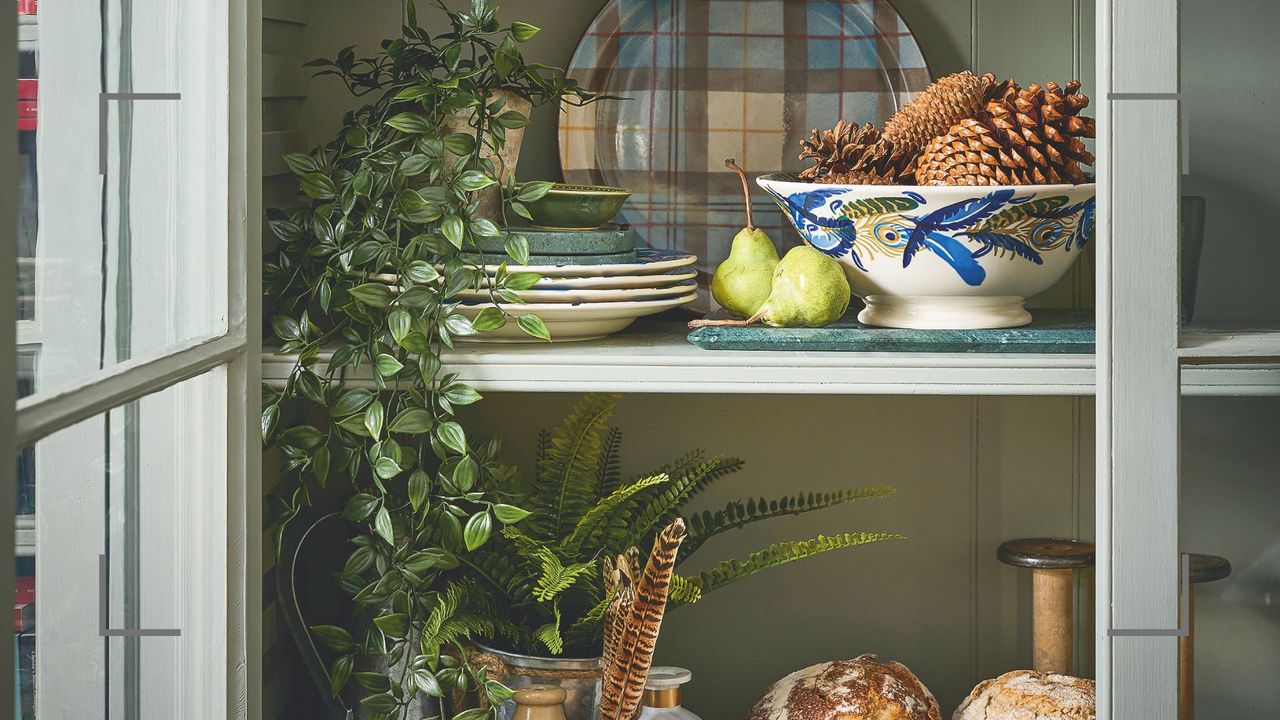
A sage green display cabinet with plaid plates and bowls with houseplants.

As the weather changes, our plants' needs change, even those we keep indoors. Houseplants, sensitive as they are, require extra TLC once the colder seasons arrive, but don't fear, we have asked the experts to explain everything you need to know.

Knowing how to care for indoor plants can be a challenge in itself, as it can take what seems like forever to master your houseplant watering routine. However, to make things slightly more complicated, each plant's needs will change as the seasons do.

You may know how to care for a monstera in summer, but come winter, you may find yourself at square one again. That's why we reached out to plant experts to provide a foolproof guide for keeping your leafy friends alive and well even when below-zero temperatures hit.

How to care for houseplants in winter: 7 expert tips

Being a plant parent sometimes feels like an impossible task, when there are more houseplant mistakes to avoid than you can count, you'll feel like giving up. But getting to know your plant's needs and implementing a care routine is a guaranteed way to help them thrive.

Come winter, this care routine needs to be adjusted to match the new conditions the plant will be living in.

"A houseplant's physiological needs change with the seasons," says Jane Dobbs, lead gardener at Allan's Gardeners. "Winter can cause a slower metabolism and dormancy, requiring a different care strategy. "

1. Adjust light exposure

A happy, healthy monstera plant enjoying exposure to sunlight (Image credit: Getty Images)

Through summer too much light can be a tragedy for your plants, it might even be the reason you saw your peace lily's tip turning brown. However, once winter arrives and the constant sunshine disappears you'll want to rethink your plant's placement.

"Plants find growing harder in winter because of shorter days and lower light intensity," explains Jane. "You can compensate for the lack of light by moving plants closer to windows or adding grow lights."

She adds, "Succulents and cacti thrive in direct sunlight, so giving them enough light is crucial to preventing etiolation, which makes stems leggy and long."

Even for the easiest houseplants to keep alive, having enough time in the sun is a life-or-death matter. Especially in autumn and winter.

2. Cleaning leaves more frequently

For the same reason, you'll need to work a little harder to get your plants some light, and knowing how to clean their leaves becomes more important in winter.

Not only is there less sunlight in winter, but it is also weaker than the summer sun and therefore not as effective at penetrating a coating of dust over your houseplants’ leaves. Because of this, you'll need to clean your plant's leaves more frequently, or the dust build-up will cause them health issues.

3. Keep away from radiators

(Image credit: Getty Images)

You'll want to try every expert tip for saving energy in your home during winter and keeping your radiators clear is important for better heat output. Aside from energy saving, your plants will be glad about the distance from the heat.

"Houseplants thrive best when they are kept at a consistent temperature," explains Graham MCIhort, horticulture expert at LBS Horticulture.

"They should be placed away from draughty areas where they can be exposed to cold winds, or too close to radiators and other heat sources that can make them dry out quicker."

“With many houseplant species coming from tropical parts of the world, it’s a common misconception that heating will help see them through the colder months,” says Keira Kay, a plant expert at Bloom & Wild. “However, the added heat can cause damage to your precious greenery and, in some cases, even be fatal.”

The biggest culprit? Lack of humidity. “Radiators, fires, and underfloor heating all dry out the air and the plants themselves," Keira explains. "Leaves can crisp, edges can brown, and plants may start to wilt, even just being nearby a heat source can be enough to cause damage.”

She adds, “For those with underfloor heating, the constant warmth can make roots overheat and become stressed, while the sudden cool-down when it switches off can shock them.”

4. Adjust watering routines

Perfecting your houseplant watering routine is no walk in the park, not when you have to wonder about how often you should water succulents as well as orchids.

Jane explains, "Plants typically need more water during summer because the soil dries out faster. Due to cooler temperatures, winter soil stays moist longer, so you have to water less. Before re-watering in winter, make sure the top few centimetres of soil dry out."

However, if the heating is cranked up high, this can dry out the soil quicker than normal, so your plants may still need the same amount – the key is in maintenance.

Always check the soil before watering. especially when you're still getting used to the new routine, you don't want to waterlog your plants and cause root rot.

5. Avoid repotting

(Image credit: Getty Images)

Even if you know when to repot your houseplants and the timing falls over winter, resist the urge to do so. Repotting your plant during the colder seasons is a huge no-no and can cause the plant a lot of damage.

"Never repot your houseplant during winter," warns Petar. "The ideal time to repot plants is in spring and autumn only. An additional tip is to not stop feeding your houseplants with fertiliser."

"If you continue to feed them lightly every time you water them, it shouldn’t cause any problems and it’ll even be beneficial. It won’t overwhelm them and interfere with their dormancy because you’ll generally be watering them less frequently during this period of the year," he finishes.

6. Check for pests with more frequency

Winter is the time to be more vigilant about common houseplant pests. If you've allowed some of your houseplants to enjoy the outdoors in the summer sun, you'll be ready to bring them indoors. To avoid getting rid of spiders and welcoming other uninvited creepy crawly guests, we'd suggest flooding your plants.

Alongside this, Petar advises you to keep them separate from the plants that stayed indoors. He says, "Keep in mind that when you create the ideal winter environment for your houseplants, it’ll also be the ideal environment for bugs."

"It’ll be best if you keep them separately for around four weeks, which is the shortest period for the lifecycle of most pests. I prefer to keep mine separate. At the same time, keep inspecting your indoor plants for pests as you would during the summer," adds Petar.

7. Feed less frequently

(Image credit: Getty Images)

Whilst you might often forget to feed your houseplants, just like the watering routine the amount of food your plants need will change with the seasons.

"In the winter, most houseplants go dormant, slowing their growth and nutrient uptake. Overfeeding during this period can cause nutrient burn. Using less fertiliser or even pausing it until spring keeps plants from going into stress," explains Jane.

To avoid this affecting your plants, Jane recommends using a diluted solution of plant food during winter to fertilise.

8. Add a layer of mulch

We most commonly use mulching for garden plants to retain moisture in summer or add a layer of insulation for winter, but apparently, it's not just for outdoors.

"Since heating can cause soil to dry out quicker, it’s worth adding a layer of mulch to your houseplants," suggests Chris Bonnett, the founder of GardeningExpress.co.uk. "This will help them retain moisture and prevent them from drying out so soon."

FAQs

Do you need to water your houseplants less over winter?

If you know how to water your garden plants properly, then you'll know that watering can sometimes be tricky to navigate. "If you’re regularly cranking up the heating, your plants will benefit from being watered more frequently" advises Chris. "Check the soil moisture daily and give the plants a good watering if the first couple of inches feel dry."

However, Petar does warn not to overdo it, saying: "During winter, overwatering can be a death sentence for your houseplants." He goes on to say that while your plants can look thirsty with dry and crispy leaves, this doesn't necessarily mean they need watering.

"Before you water your houseplants, always check the soil first. Reach down as deep and close to the roots as possible. To make this task easier, consider investing in a soil tester with which you can check moisture at the root level. If your houseplant has dry and crispy leaves but the surface of the soil is dry while the rest of the soil is wet, this is your plant telling you the humidity is too low," Petar adds.

When it comes to a general rule, he advises that you water your thirstiest plants around every two to three weeks and more drought-loving species once every three to four weeks. Just make sure that your pots are fully draining, and there's no risk of soggy soil.

How to protect plants from central heating

Plant expert Keira suggests the following adjustments to ensure your plants stay healthy and happy throughout the winter months...

  • Keep at a distance: "Move plants away from radiators, fireplaces, or underfloor heating. If you can feel warmth on your hand, it’s too close for comfort."
  • Elevate them: "Place plants on shelves, side tables, or hanging planters to keep them out of direct warm air currents."
  • Group together: Think safety in numbers. "Clustering plants helps them share moisture and create a natural microclimate."
  • Add humidity: "Place a small bowl of water near your plants (or even on a radiator) to gently raise moisture levels. Regular misting or a small humidifier can also help."
  • Avoid draughts: "Keep plants away from doors or windows where temperature fluctuates dramatically consistency is key."

One thing the experts all highlight is that it's extremely important to avoid large fluctuations in temperature. Your plants won't react well to extreme heat or cold, especially if they're constantly going from one to the other.

“If you notice brown tips or drooping leaves, don’t panic, it’s often reversible,” says Keira reassuringly. “Trim away any damaged parts, move the plant to a more stable, humid spot away from radiators, and water gently if the soil feels dry. Daily misting for a week or two can help revive it. With a bit of consistency, most plants will bounce back once the environment improves.”

Sign up to read this article
Read news from 100’s of titles, curated specifically for you.
Already a member? Sign in here
Related Stories
Top stories on inkl right now
Our Picks
Fourteen days free
Download the app
One app. One membership.
100+ trusted global sources.