
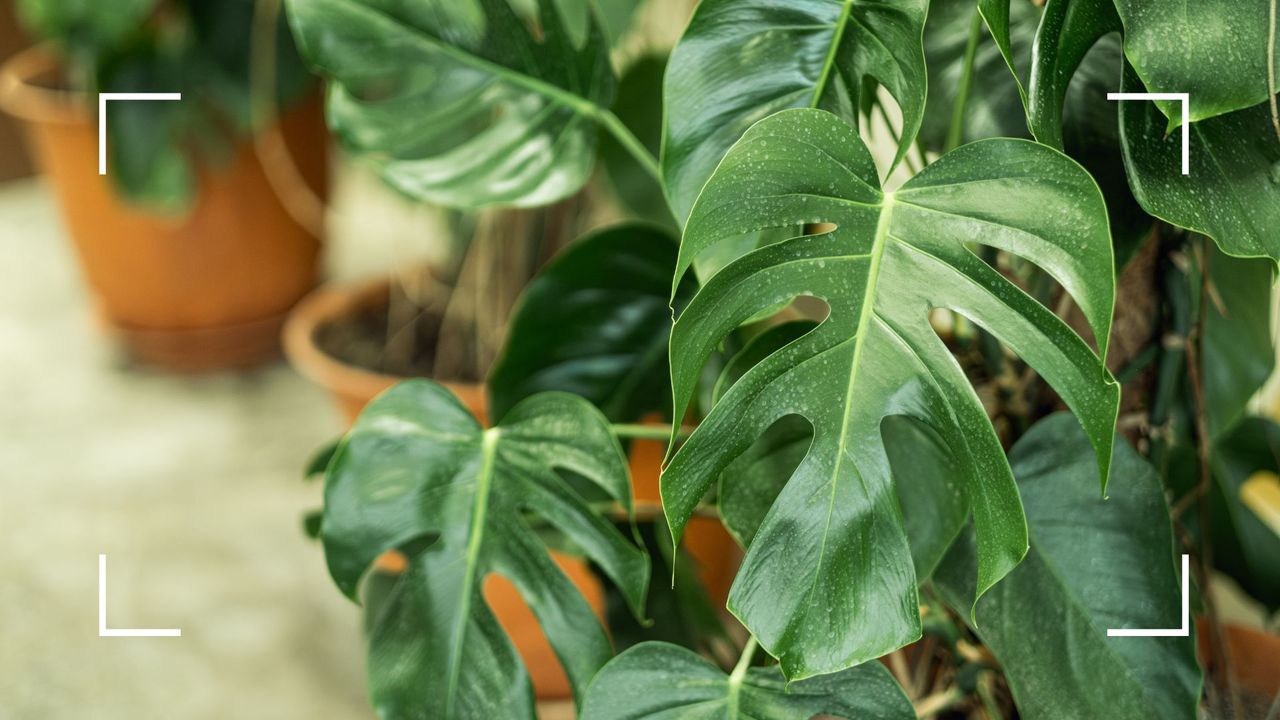
As one of the most impressive growers in the plant world, a monstera is surprisingly easy to take care of. However, it's also prone to being rather dramatic, so it's important to know exactly how to keep it happy and healthy.
Whilst it's not renowned for being one of the easiest houseplants to keep alive, the monstera plant is a relatively low-maintenance species. Especially compared to looking after a bonsai tree or caring for a Venus flytrap.

Despite this somewhat simple care routine, not too dissimilar to caring for a peace lily, if you want to grow your monstera plant tall and as leafy as can be, you'll need to know the key conditions to help it flourish.
How to care for a Monstera Plant: 5 easy steps
Monstera plants are one of the best indoor plants for your health and well-being. They're also one of the most aesthetically pleasing species of houseplant, with their generous, glossy leaves
The popular monstera plant is sometimes better known as a Swiss cheese plant due to its famous holey leaves. This defining characteristic is known as leaf fenestration – the process of the leaves growing holes, which has evolved as a result of the plant adapting to allow light to reach the lower canopy of leaves. Because, in their natural habitat of tropical forests, these glorious green giants can grow to great heights.
The number of holes is a good indicator of how happy your monstera plant is. Those growing in incorrect light conditions often don’t have as many holes, showing how important bright but filtered light is for these tropical houseplants

Their giant leaves and impressive growth rate have solidified them as a houseplant favourite, but how can you keep them looking their best?
Hailing from tropical climates, these plants are never more at home than when in warm, humid and bright conditions. We consult leading plant experts to find out more...
1. Find the right location with light and warmth

Placing your plant in a space where it receives too much or not enough sunlight is one of the most common houseplant mistakes you need to avoid. Too much sunlight can lead to scorched leaves and dried soil, but not enough can be a death sentence for your plant.
"Start by positioning your Monstera plant in any area with plenty of light to ensure the best growth," says gardening and plant expert John Clifford from Gardenstone.
While they love light exposure, be sure they are not in direct sunlight all day; the light should be bright but indirect for most of the day. I have one that is exposed to full sun in the early morning hours but is then bathed in daylight rather than harsh direct sunlight after that, and it is thriving as a result – a lesson learnt after asking why my monstera leaf tips were turning brown.
John continues: "Monstera plants prefer temperatures from 15-25 degrees, so make sure that there are no drafts in this location."
Being from tropical rainforest conditions, the monstera plant is best suited to more humid environments, and could be considered a great plant for helping with condensation because it will benefit from high humidity – meaning bathrooms are an ideal environment, provided there is good light exposure.
And whilst you're deciding placement, some common houseplants are toxic to cats and dogs, and unfortunately, the Monstera plant is one of them. So keep them out of paw reach!
2. Determine a watering routine that suits

Knowing how often you should be watering your houseplants is one of the most important steps to caring for any species. Watering, similar to sunlight, can be a life and death matter for a plant, whether that's too much or not enough.
"Monstera plants like to be moist, so water regularly, usually when the soil is 50% dry. When watering, make sure the water pours through the drainage hole to ensure the entirety of the soil is wet," explains John.
You'll want to avoid waterlogging as this can lead to root rot, which is a super nasty disease for your plants to get, and it can be near impossible to remedy. Overwatering can also lead to mould growing on the topsoil of your plant.
Misting your monstera plant is a great way to ensure it doesn't dry out, but also that it doesn't become overwatered.
These attractive hand-blown colourful glass watering devices are an easy way to employ a self-watering feeding system for your indoor potted plants. Perfect to prevent overwatering your snake plant.
3. Fertilising

Some plant species need added fertilisation more than others. For example, when caring for an orchid, its nutritional needs are vastly different to those of a monstera plant. So much so, they require specialised fertiliser and soil. Monstera, however, is a little less particular.
"For the best growth, ensure that your Monstera is fertilised regularly during the summer; once a month is best. I recommend using an all-purpose fertiliser and not feeding during the winter to give your plant some time to rest," recommends John.
Throughout the winter, your plant becomes a little more independent, so we wouldn't recommend feeding through the colder months.
Feed your Monstera with this cult classic plant food, also Amazon's Choice buy. The trusted fertiliser is made to help grow vibrant and healthy indoor plants to provide the right nutrients.
Top Tip: You can make your own 'banana tea' to feed your Monstera plant to enrich the soil with nutrients for free. Tamara Kelly, our lifestyle editor, swears by this natural remedy for keeping her plant healthy and happy...

"Banana tea is the easiest and greenest way to feed your Monstera. Foliage and stems grow stronger with potassium. It's completely free and so easy to make. You simply chop up a discarded banana peel and immerse it in a jug of water with a 1:3 ratio to prevent over-fertilisation, then leave it for 24–48 hours. After that time, it's ready to use directly on the soil. It's best not to pour it onto the leaves, as that can attract pests."
"The idea came about after looking into ways to use banana peels in the garden and discovering how beneficial the skins were for soil enrichment. I took this advice onboard and have been feeding my Monstera plant banana tea ever since – the leaves have never looked healthier or shinier."
4. Potting

As mentioned, monsteras are quick to grow wild and tall, which is why it's important to know how to repot the houseplant when it needs it. But how do you know when to repot a plant?
"If the roots of your Monstera plant start to grow out of the bottom of their pot or the soil becomes dry quickly after watering, this is an indicator that it needs moving into a larger pot," explains John.
Now you know when your monstera will need repotting, how do you do it? John says, "To repot your Monstera, start by filling the new pot roughly one-third full with fresh soil. Then remove the current Monstera from its pot. You will want to do this by gently tipping the plant upside down and carefully removing it, ensuring that all the roots are still attached."
Should you be lucky enough to have a large monstera, John recommends asking for some extra hands and placing the plant on the ground when removing it. He goes on, "Then gently rub the root section to loosen the roots and remove old soil. Now take your Monstera in the new pot and fill the remaining gaps with fresh soil, leaving a small gap at the top of the pot."
When the plant is happily sat in its new home, place it outside or in the sink and water it until water is pouring out of the drainage hole and then leave it to fully drain before returning to its place.
If your monstera needs repotting, this houseplant soil is perfect for supplying your plant with all the nutrients it needs. This compost gives your plant enough food for three months and it's built to encourage root growth and balance air in the soil.
5. Add support

As mentioned previously, monstera plants can become rather monstrous for lack of a better word. They can grow super tall, and their leaves spread quickly, making them quite unruly plants to have in your home. We wouldn't particularly recommend them if you're looking for ways to make your small room look bigger.
"Monstera likes to grow upwards. To encourage this, place a moss pole deep in the centre of the soil. Moss poles can be curved or straight and support the upward growth of the plant," recommends John.
Doing this early on in your monsteras life will mean it stays in a more tamed shape and doesn't suddenly take over your entire room.


FAQs
How often should I water a monstera plant?
Mastering your watering routine can feel like hard work, especially if you've got several indoor plants to care for. So there's no harm in really nailing down your watering routine; your monstera will certainly appreciate it.
"Water your Monstera consistently, allowing the soil to dry slightly between waterings. Avoid overwatering, as soggy soil can lead to root rot," says Monique Kemperman, plant expert from The Joy of Plants.
Ever wondered why your monstera is crying? Well, yellowing or water droplets appearing on the edges of your leaves can actually be a sign of overwatering. This is why it's important to check the soil before watering, even if it's been over a week since you last watered it.

How long do monstera plants live?
The growth rate of monsteras isn't the only impressive thing about them; they can also have rather lengthy lifespans. And if you know how to take cuttings from a plant, then you'll probably never have to buy another monstera in your life. Monstera plants can live beyond 10 years if you provide them with proper care.
How big can monstera plants get?
Monstera plants that you have in your home are a little different to those found natively in the rainforest, for many reasons, but the height potential is the main one. However, as a houseplant, a monstera can still reach pretty shocking heights. If they’re given the right conditions, support, and space, they can grow anywhere from 1.8 to 2.4 meters tall and 2.50 meters wide. This plant tends to grow outwards, and its leaves can reach 45 cm to 90 cm in length.
Knowing how to clean plant leaves can also make a huge difference to the success of your plant's growth. Dust can often act as a barrier between your plant's leaves and the sunlight it needs to thrive. Following our cleaning guide is a super easy way to avoid that, and your monstera plant will thank you for it!