
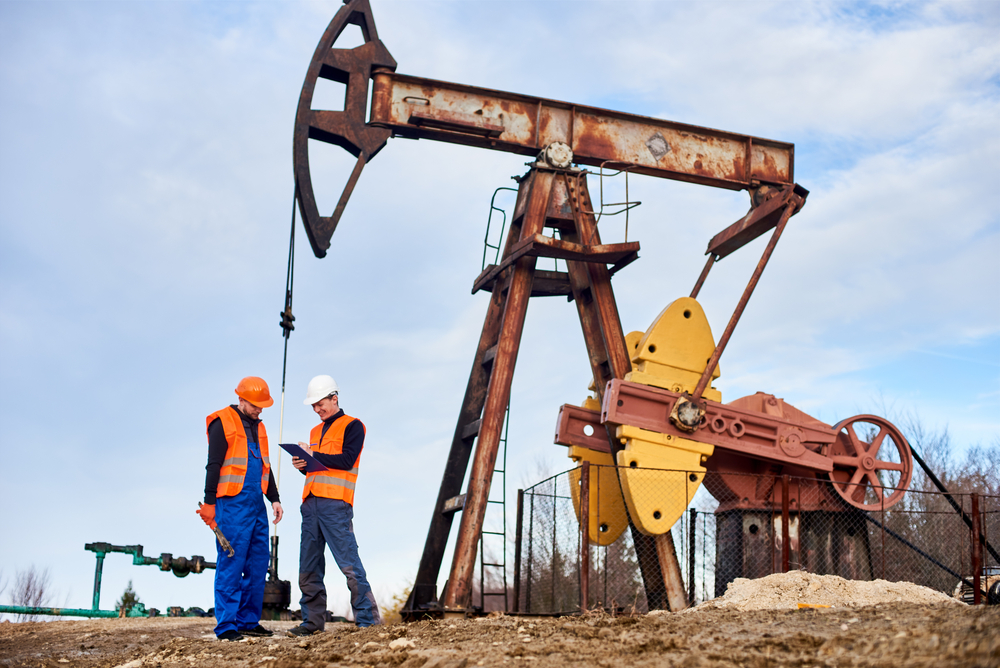
I was reading Loral Langemeier a few years back. She’s a big advocate of direct investing in business opportunities like self-storage, rental real estate, and oil wells.
The idea of buying an oil well intrigued me. So I started looking around online. Some small wells can be had for around $200,000 to $1,000,000. This type of business works based on how much oil/natural gas, etc., you can get out of the ground. The sizzle is that wells can be extremely profitable, especially when gas prices are high.
Since I don’t have $200,000 to $1,000,000 in cash lying around, this is probably going to be a project for 5 to 10 years down the road, but I’m definitely interested. It looks like a great money-making opportunity that could allow one to significantly build their wealth. In case you’re also interested, here is where to buy a well, and some alternatives if you can’t afford to buy one directly.
Where To Buy A Well And What To Consider
Most wells appear to be sold by brokers, so if you want to cruise some of the listings, check them out here.
The only book I’ve been able to find on buying oil wells is Investing In Oil Wells by Nick Slavin. It retails for $12.99, but if you are going to drop $5,000 to $20,000 on fractional ownership in a well, $12.99 and some education is probably worth it. You can get the book here.
There are some factors to consider. Oil and gas wells are capital-intensive – they cost a lot to operate and maintain. Oil is also heavily regulated, so when a well stops producing, you need to cap it to prevent damaging the environment. Capping is extremely expensive – costing between $20,000 and $80,0000. So, they cost a lot to drill, maintain, and close.
Also, wells are risky. So, what a lot of investors do to avoid risk is to buy several wells. This, of course, requires a lot more capital and management time. For example, buying several wells at $200,000 each could cost millions of dollars.
Alternatives To Direct Ownership
Since the costs of owning wells directly are prohibitive for most investors, here are some alternatives if you want direct exposure to oil and gas:
- Buy Royalties: Royalties are basically payments made to individuals for the right to use their natural resources. What often happens is that an oil company will agree to pay a landowner a given payment per barrel of oil or gas extracted. For example, if a landowner’s property produces 100 barrels of oil a month and the royalty agreement between the extraction company and the landowner says the owner gets $2 per month, the landowner would get 100 x $2, or $200 per month. Royalties can be bought and sold. If you want to get some, Energynet is a good place to find royalties to buy.
- Buy Oil and Gas Stocks: A simple and straightforward option is to buy the common stock of oil and gas companies. Owning shares of major companies like Exxon (XOM), ConocoPhillips (COP), or Phillips 66 (PSX) is a good way to get exposure to oil wells. Similarly, exchange-traded funds (ETFs) that focus on the oil industry are good ways to get exposure.
2025 Oil Market Trends
Oil prices have fallen to around $65 per barrel as oversupply and slowing demand weigh on markets. While this creates opportunities to acquire wells at lower valuations, investors must weigh the risks of stricter environmental regulations and costly well closures. Industry growth is shifting toward enhanced recovery techniques and eco-friendly production methods, while geopolitical tensions continue to drive short-term volatility. For most individual investors, indirect exposure through royalties, stocks, or ETFs remains the more accessible path to participate in the energy sector.
To Buy or Not to Buy: It Depends
Buying an oil well may sound like a ticket to instant wealth, but in 2025, the picture is more complex. Oil prices have retreated to around $65 per barrel, creating lower entry costs but also slimmer margins compared to past boom years. At the same time, stricter environmental regulations and expensive well-closure requirements mean investors must plan for long-term costs, not just short-term profits.
For most individuals, direct ownership remains a high-risk, capital-intensive venture best suited for seasoned investors with millions to deploy. Alternatives such as royalties, oil and gas stocks, or ETFs provide more accessible ways to gain exposure without the operational headaches.
Ultimately, the opportunity lies in understanding both the sizzle and the risk. Oil wells can indeed generate significant returns, but only for those prepared to navigate volatile markets, regulatory hurdles, and the realities of energy’s shifting future. For everyday investors, indirect strategies may offer the smarter path to participate in the oil economy while keeping risk manageable.