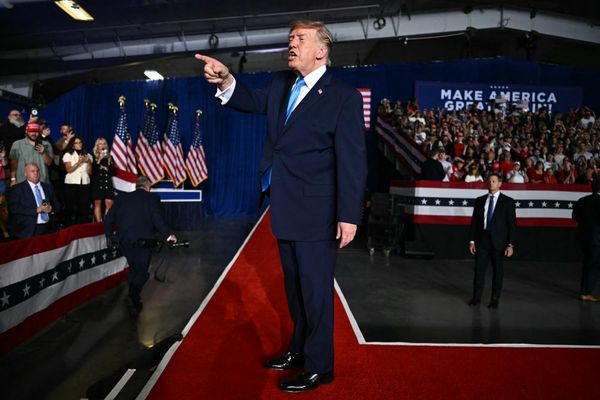
The United States under President Donald Trump and the European Union have a complicated relationship. On one hand, European countries and the US have built some of the strongest alliances since the end of the second world war. On the other, since the start of Trump’s second term in 2025, they have openly clashed on significant issues: tariffs, NATO contributions, Palestinian statehood, Israel’s interventionism, Ukraine support levels and Greenland’s sovereignty.
Trump’s sudden war on Iran is the latest of these clashes, but it is distinctive because it is shaking the world’s economy. The US war on Iran, alongside Israel’s war on Lebanon, is accelerating a notable reshaping of European alliances and strategic thinking about the union’s future.
The EU has more than 450 million inhabitants, and its GDP is nearly on par with that of the US or China. Despite its polymorphic nature, and in fact perhaps because of it, it is a world player that can exercise considerable sway over international affairs.