
Get all your news in one place.
100's of premium titles.
One app.
Start reading
Chicago Sun-Times
Chicago Sun-Times
National
Jacob Sullum

How the Supreme Court has promoted myths about sex offender registries

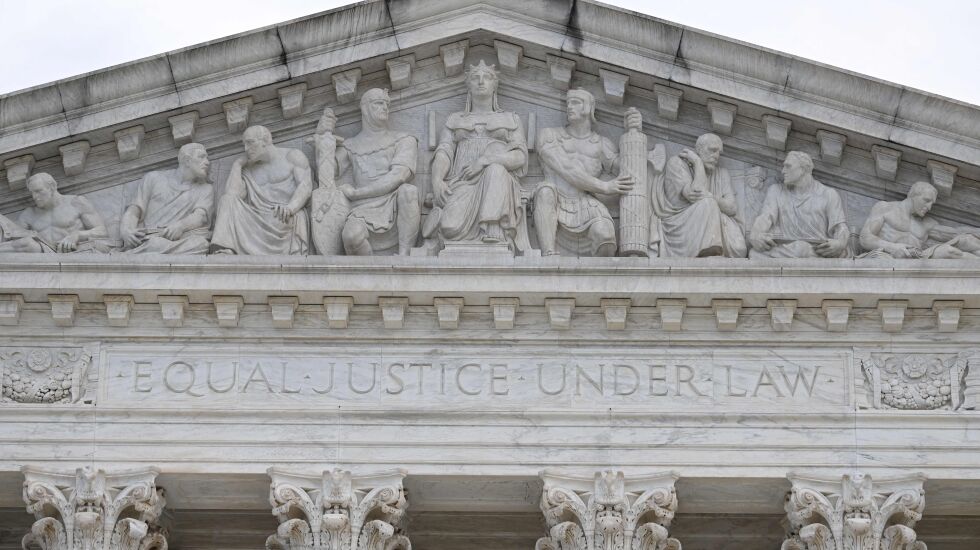
The U.S. Supreme Court is seen in Washington, DC on February 21. (Jim Watson/AFP via Getty Images)

This Sunday, March 5, marks the 20th anniversary of Smith v. Doe, a U.S. Supreme Court decision that approved retroactive application of Alaska’s sex offender registry, deeming it preventive rather than punitive. That ruling helped propagate several pernicious myths underlying a policy that every state has adopted without regard to its justice or effectiveness.

Writing for the majority in Smith, Justice Anthony Kennedy took it for granted that collecting and disseminating information about people convicted of sex offenses made sense as a public safety measure. But that premise was always doubtful.

Sign up to read this article
Read news from 100's of titles, curated specifically for you.
Already a member? Sign in here
Related Stories
Top stories on inkl right now
One subscription that gives you access to news from hundreds of sites
Already a member? Sign in here
Our Picks
Fourteen days free
Download the app
One app. One membership.
100+ trusted global sources.