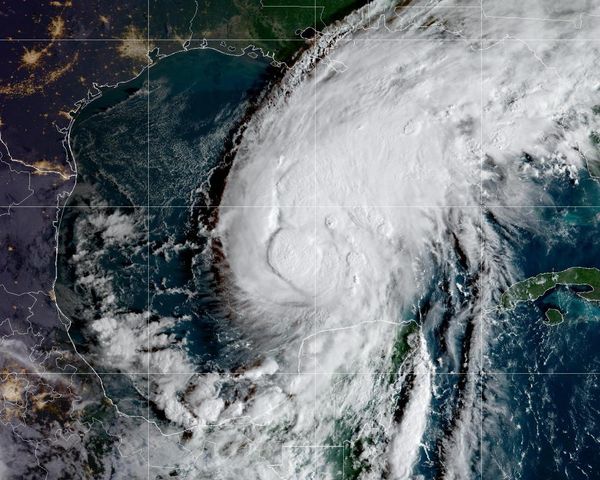
This year’s monsoon season was shrouded in uncertainty, with 2026 touted to be a super El Nino year. The intensity of the El Nino at its peak could be the strongest since the 1950s, as per the Australian Government Bureau of Meteorology. Usually, the formation of El Nino is associated with a weaker monsoon outcome, but this is not a guarantee. Other factors are also important, such as the timing of when peak El Nino conditions are reached and the Indian Ocean Dipole (IOD). Without getting into the technicalities of weather forecasting, a good statistic to keep in mind is that out of 15 years when a 10% or higher rainfall deficit was recorded, around 8 were El Nino years.
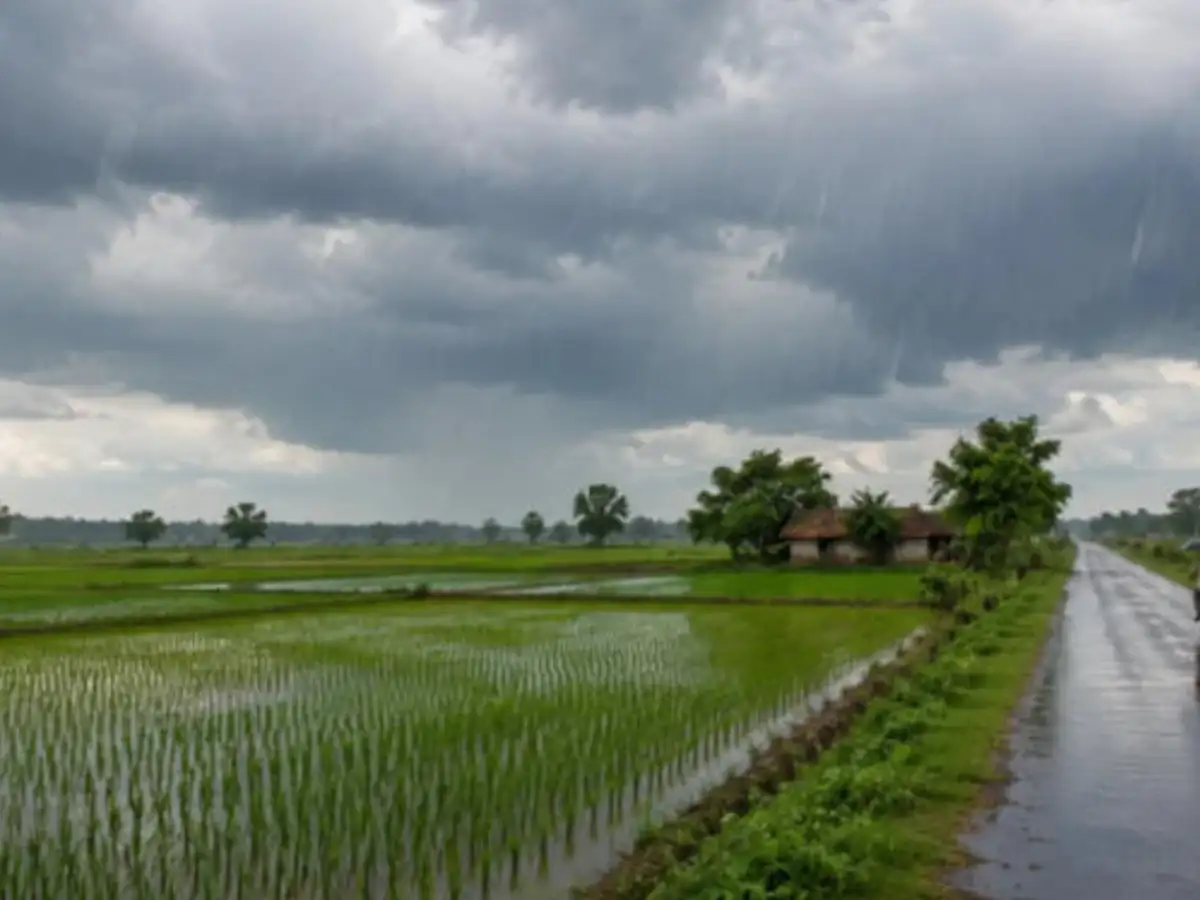
That said, the monsoon performance in June indicated that this year’s El Nino is not to be trifled with. The rainfall deficit in June was nearly 40%, which resulted in a delay in the start of kharif sowing, and reservoir levels dipped below normal levels. Conditions have improved considerably in July, with rainfall near normal levels. As a result, the cumulative deficit, which is calculated since the start of the monsoon season, has reduced to 16% as of July 27. However, spatial distribution remains uneven, with more than 50% of the country by area receiving deficient rainfall.