Get all your news in one place.
100's of premium titles.
One app.
Start reading
The Economic Times
The Economic Times

How Taiwan's US$1.4 billion radar detected and tracked China's ballistic missile

Taiwan's long-range early-warning radar detected China's recent submarine-launched ballistic missile launch shortly after liftoff, enabling the island to monitor the missile's initial flight and share intelligence with the United States, according to a senior Taiwanese official, reports SCMP. The disclosure offers a rare look at Taiwan's missile-tracking capabilities and its intelligence cooperation with Washington amid heightened cross-strait tensions.

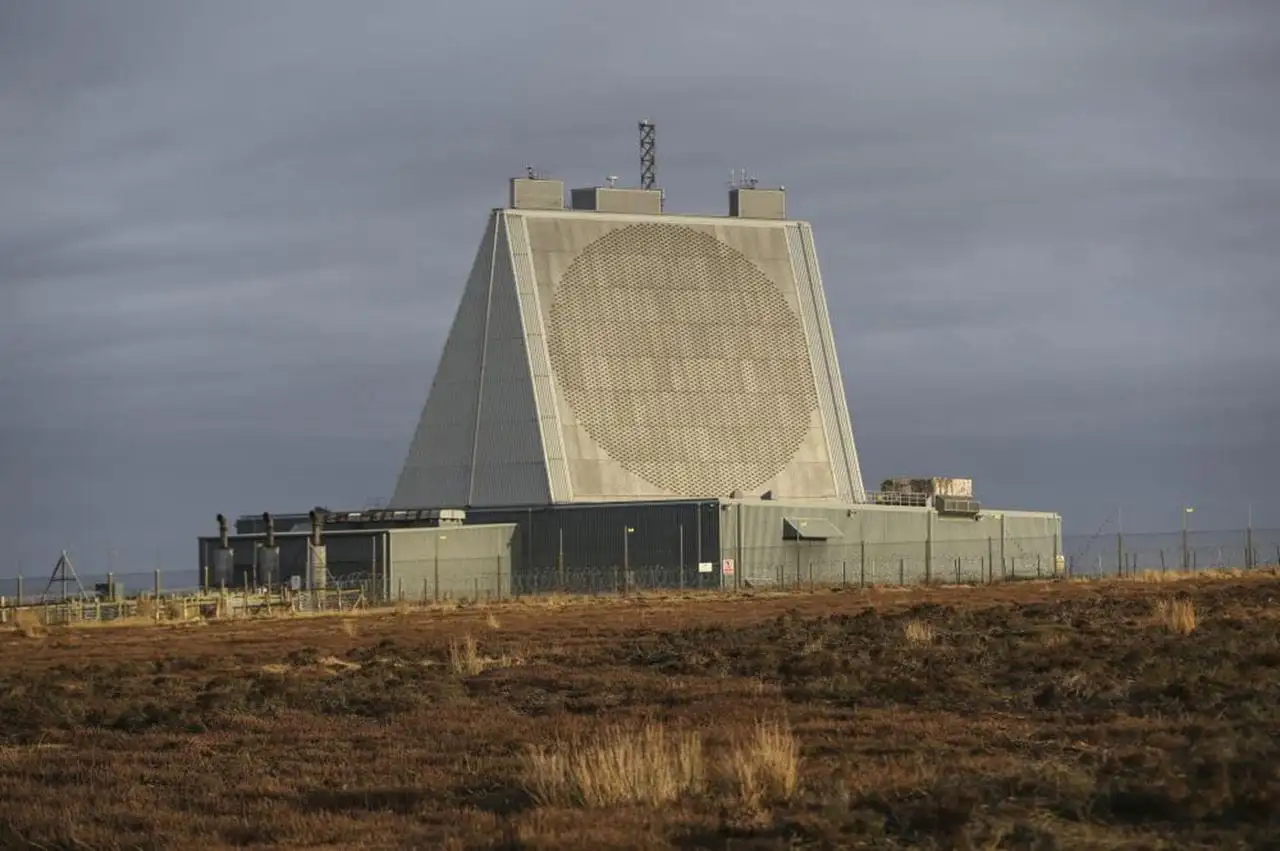
The official, quoted by the SCMP, said Taiwan's AN/FPS-115 Pave Paws early-warning radar detected the missile soon after it was launched from a nuclear-powered submarine in the South China Sea. The system tracked the missile's trajectory during the initial phase of its flight while it remained within the radar's coverage.

As the missile travelled eastward and moved beyond the radar's range, Taiwan shared intelligence with the United States. US satellites and long-range early-warning radars then continued tracking and monitoring the missile during the later phase of its flight.

Long-range radar plays key role in Taiwan's defence network

Taiwan's AN/FPS-115 Pave Paws radar is located at the Leshan Radar Station in Hsinchu County in northern Taiwan and was purchased from the United States.

Situated 2,600 metres above sea level, the radar can detect missile launches at distances of up to 5,000km, allowing it to monitor mainland China, the South China Sea and the Korean Peninsula. Taiwan's customised version has also been upgraded to improve its ability to detect low-altitude cruise missiles and tactical ballistic missiles.

Taiwan released missile trajectory after China's announcement

After Beijing announced the missile launch, Taiwan National Security Council Secretary General Joseph Wu posted a map on social media showing the reported flight path.

According to the map, the missile was launched from waters near China's southern coast, flew over the northern Philippines and landed in international waters between Nauru and Tonga. Wu identified the missile as a JL-2, a second-generation submarine-launched ballistic missile with intercontinental range.

Sign up to read this article
Read news from 100's of titles, curated specifically for you.
Already a member? Sign in here
Related Stories
Top stories on inkl right now
One subscription that gives you access to news from hundreds of sites
Already a member? Sign in here
Our Picks
Fourteen days free
Download the app
One app. One membership.
100+ trusted global sources.