The return of the New World screwworm has triggered one of the most intensive animal-health responses seen in North America for decades. From AI-assisted surveillance systems and enhanced border monitoring to livestock movement permits and the mass release of sterile flies, authorities are deploying a sophisticated toolkit to prevent the flesh-eating parasite from establishing itself once again. What began as a veterinary concern has evolved into a large-scale biosecurity operation involving federal agencies, ranchers, veterinarians, researchers and border officials. As confirmed detections increase and surveillance expands, the campaign against screwworm is becoming a real-world test of how modern technology, data-driven monitoring and biological control can work together to stop an invasive threat before it spreads across livestock populations and wildlife habitats. The outcome of this effort may not only determine the future of screwworm control in North America but also serve as a model for managing emerging agricultural and wildlife threats around the world.
Get breaking news anytime, anywhere. Download the TOI app now!

Why the New World screwworm outbreak has triggered an unprecedented biosecurity response
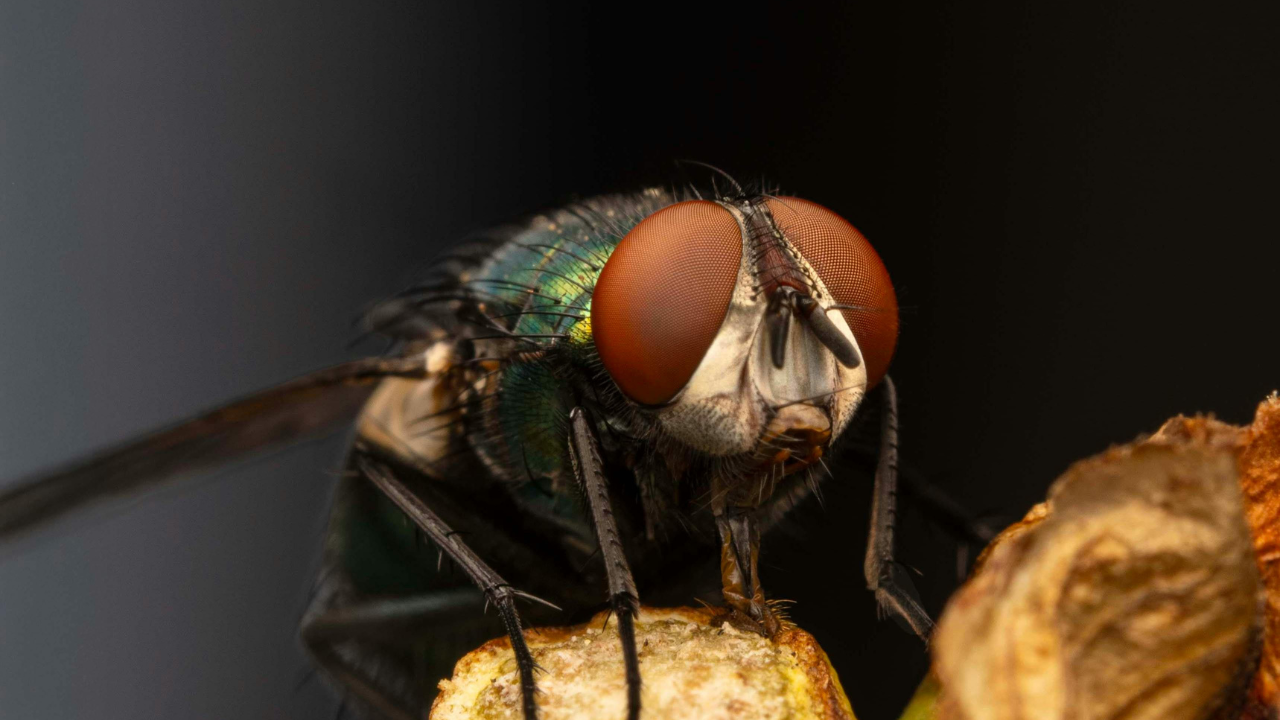
The New World screwworm (Cochliomyia hominivorax) is not an ordinary agricultural pest. Unlike many fly species that feed on dead tissue, screwworm larvae consume living flesh, causing severe wounds that can become fatal if left untreated. The parasite affects livestock, wildlife, pets and, in rare cases, humans. According to the United States Department of Agriculture (USDA) , screwworm infestations can cause serious economic losses while creating significant animal welfare concerns.
The USDA describes the pest as a “devastating” threat capable of inflicting severe damage on infected animals. Historically, the species was eradicated from the United States in 1966 through a coordinated campaign based on the Sterile Insect Technique (SIT) , one of the most successful biological control programmes ever implemented.
However, the parasite's recent northward movement through Central America and Mexico has renewed fears of re-establishment. In response, federal and state agencies have strengthened surveillance systems, imposed movement restrictions in affected zones and expanded emergency preparedness measures.
As the Animal and Plant Health Inspection Service, USDA notes:
“Mass production and targeted dispersal of sterile flies remain critical components of our effective response.”¹
The agency has also established a dedicated New World Screwworm Directorate to coordinate response efforts across multiple government departments and scientific institutions.
How AI drones, surveillance technology and livestock entry permits are helping contain the parasite
Modern screwworm control relies on far more than traditional field inspections.
Federal authorities have deployed extensive surveillance networks along high-risk areas, combining trapping programmes, geographic monitoring and rapid diagnostic systems to identify new infestations as early as possible. USDA states that intensive surveillance and monitoring systems are operating along the US-Mexico border to detect incursions before they become widespread.
Movement controls have become another crucial line of defence.
In regions where detections occur, livestock movements are subject to strict permit requirements and regulatory oversight. USDA guidance references movement restrictions, infested-zone maps and emergency response protocols designed to reduce the risk of transporting infected animals into unaffected areas.
These permit systems effectively create biosecurity checkpoints, ensuring that cattle, sheep, goats and other susceptible animals can be traced and inspected before relocation.
Meanwhile, emerging technologies are beginning to transform field operations. AI-assisted drone systems can help survey vast ranchlands more efficiently than traditional ground inspections, identifying animal concentrations, monitoring remote areas and supporting rapid response teams. Although biological control remains the primary eradication tool, advanced monitoring technologies are increasingly being integrated into broader agricultural disease-management strategies.
The result is a layered defence system combining real-time surveillance, movement controls, digital mapping and rapid reporting networks designed to prevent the parasite from gaining a foothold.
The sterile fly strategy that previously eliminated screwworm from the United States
Despite the attention surrounding drones and digital monitoring, the most powerful weapon against screwworm remains surprisingly biological.
The Sterile Insect Technique works by breeding large numbers of screwworm flies in specialised facilities and exposing pupae to carefully controlled gamma radiation. The resulting adult flies are sterile but remain capable of mating with wild populations.²
When sterile males outnumber fertile males in the environment, reproduction collapses, and populations gradually disappear.
According to the USDA :
“SIT has been studied extensively over decades and consistently proven to work.”
The agency notes that the method helped eradicate screwworm from the United States in 1966 and successfully eliminated an outbreak in the Florida Keys during 2017.
Today, USDA is investing heavily in expanded sterile-fly production infrastructure. The agency says future production capacity could approach 500 million sterile flies per week, matching levels used during historic eradication campaigns.
Researchers view the strategy as one of the rare examples of a species-specific pest control system that suppresses populations without the widespread environmental impacts associated with conventional insecticides.
As surveillance intensifies, movement permits tighten and technological monitoring expands, the success of the current crackdown may once again depend on the same principle that defeated screwworm decades ago: overwhelming the parasite's reproductive cycle before it can spread beyond containment zones.