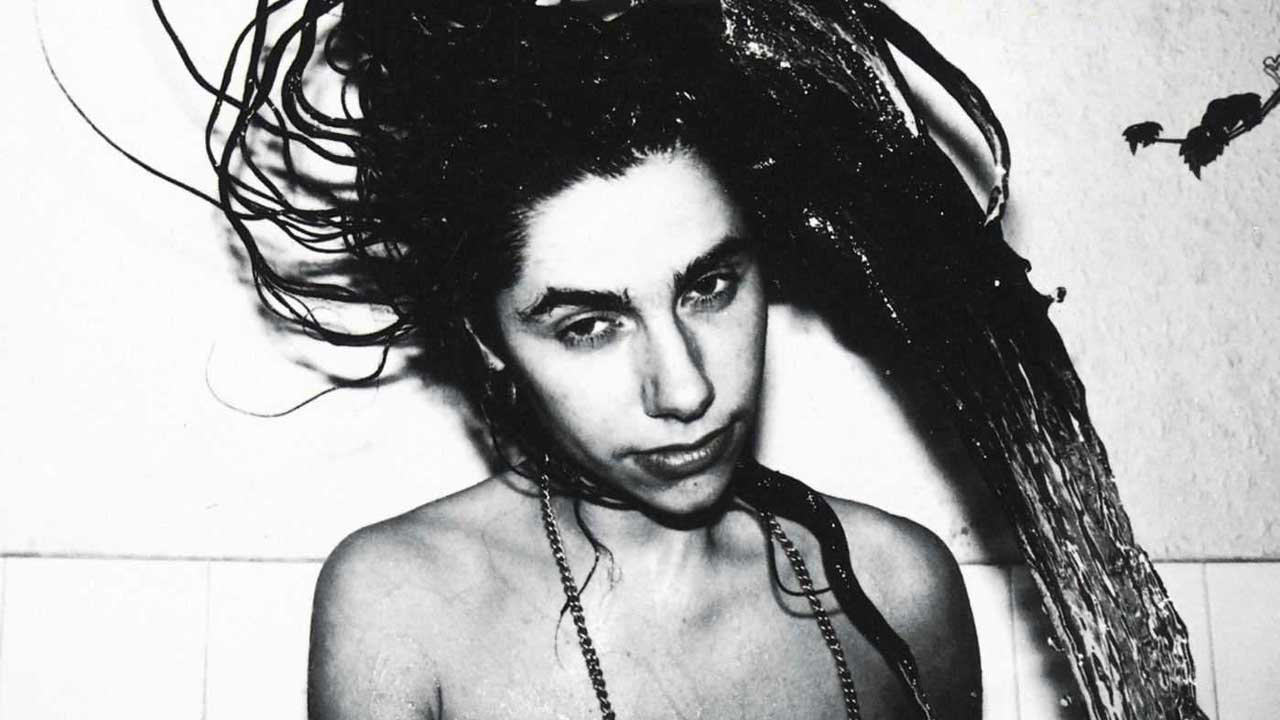
It takes a strong sense of self for an artist to remain absolutely steadfast in pursuing their own unique vision during the first flush of fame, when unasked-for opinions come in thick and fast. In 1993, Polly Jean Harvey was riding high on the success of her superb debut album, Dry, its raw punk blues, searing alt rock musicianship and unflinching poetry – sometimes blackly humourous, often seething with anger and vengeance, always clear-eyed in its honest, unvarnished, romance-free exploration of its creator’s complex psyche – immediately positioning her as one of the UK’s most interesting new voices. Having released Dry on indie label Too Pure, when the majors came knocking hungry for a follow-up with just as much drama, intrigue and emotion, at first she resisted the idea, concerned she might lose some of the artistic control she treasured so much.
It was an unfounded worry – an entire boardroom of bigwigs couldn’t get Harvey to veer off course. She ended up plumping for Island, who wanted a ‘name’ producer on hand to soften her sound and make it more accessible. Harvey refused, demanding instead to work with incorruptible underground icon Steve Albini – a man who doesn’t even accept the title of producer, preferring instead to be known as a recording engineer – who had previously captured alt.rock lightning in a bottle with Pixies, The Jesus Lizard, The Breeders, Slint and more.