
Once a niche product, pet insurance policies have increasingly gone mainstream, and there are more options, too. As advances in treatment have led to higher bills, pet owners are increasingly turning toward pet insurance to help manage the costs while ensuring their pet can get the care they need, regardless of price tag.
The average accident and illness pet insurance premium in 2026 for a dog was around $516 annually, while cat owners paid $276 annually, according to Insurify. That pales in comparison to health insurance premiums for humans, but it's still a high enough price that it's worth learning exactly how it works and what it covers before you sign up for a policy.
Fortunately, comprehensive coverage isn't the only option for pet parents, and premiums can vary depending on geography and other factors. Here's how pet insurance works and what to consider when comparing policies.
3 types of pet insurance
Just as you can pick a health policy that best matches the needs of you or your family, you can also select one that's a good fit for your pet. Pet owners can typically choose from three types of coverage: Accident and illness, accident-only, and wellness plans.
Accident and illness pet insurance
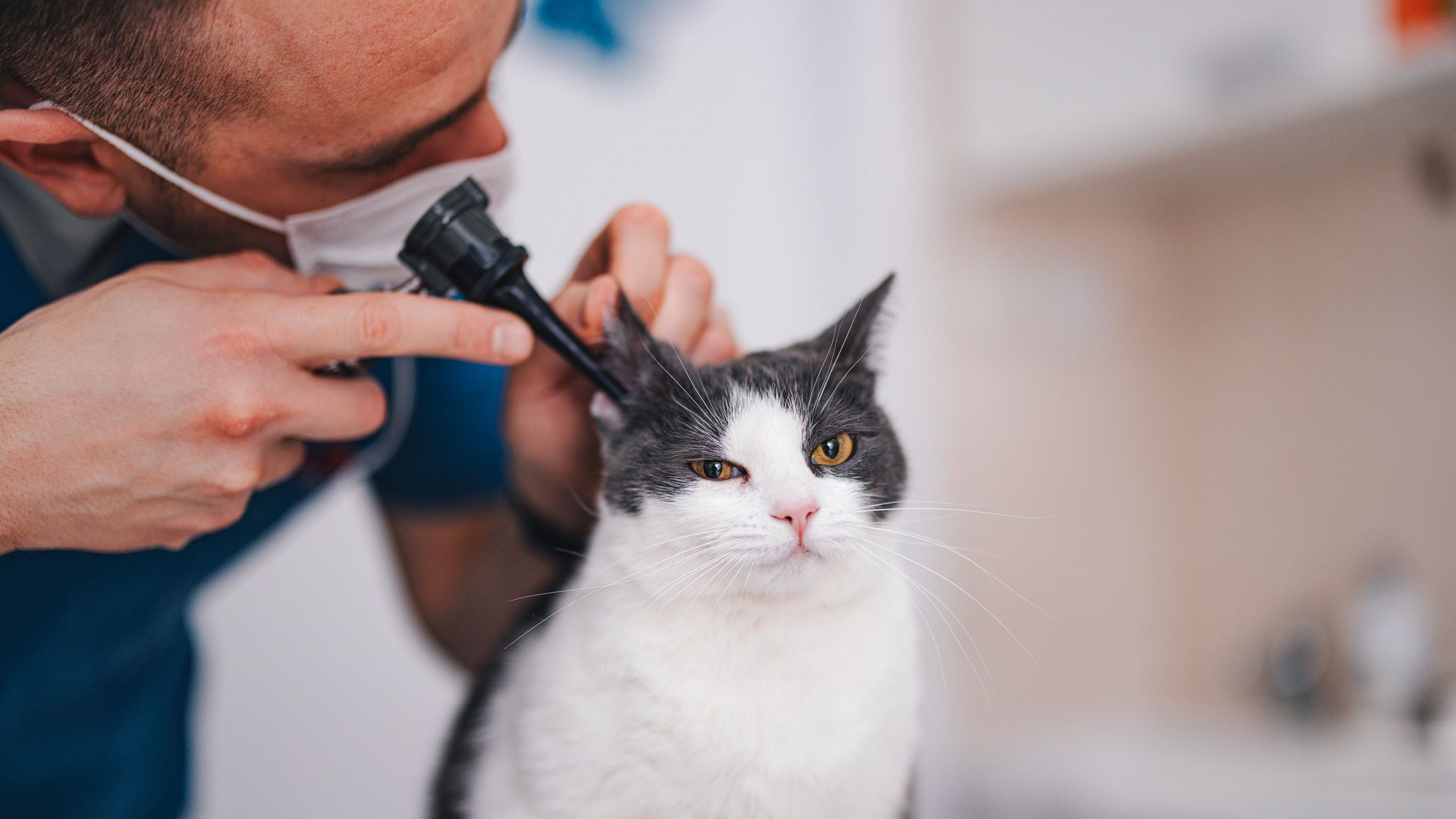
Accident and illness pet insurance is the most comprehensive type. As the name implies, it covers treatment related to accidents, such as getting hit by a car or eating something toxic. But it also covers illnesses, such as allergies, ear infections or cancer.
However, if you put off buying insurance until your pet is older (or adopt an older pet), you might not be able to get some illnesses covered because most policies exclude pre-existing conditions.
That doesn't necessarily mean you should rule out insurance altogether. Even if a preexisting condition is excluded, any new illnesses (or accidents) will still be covered.
Accident-only pet insurance
If you want to save on pet insurance without giving up all coverage, you can lower premiums by opting for accident-only coverage. Your pet will still be covered for accidents, but you'll pay for treatment related to illnesses yourself.
According to the North American Pet Health Insurance Association, the average cost of an accident-only policy for a dog was $204 in 2023; cat owners paid an average of $116 for accident-only coverage.
Wellness plans
Wellness plans are not insurance and work more like a subscription service that includes preventive-care visits, such as routine vaccinations. You can buy one as a stand-alone plan or as an add-on to an accident and illness policy.
Before adding an insurer's wellness plan to your policy, check if your regular vet offers a plan of their own. Many veterinary clinics also offer wellness plans.
"At my clinic, we essentially total up everything that a healthy pet would need in a year, including all routine examinations, vaccines, wellness bloodwork, and parasite testing. Then we discount that total cost and divide it into smaller, more manageable monthly payments," Dr. Rebecca Greenstein, veterinary medical adviser for Rover, told Kiplinger.
"Some vets will also include discounts on food and parasite prevention. The savings can really add up."
Wellness plans can be a great way to stay compliant with all shots and checkups, while also saving money on basic services. Just make sure to check what the plan includes, how many of those services your pet actually needs and how the cost compares to paying for each of those services individually at your vet.
Pet insurance deductibles, reimbursement rates and other fine print
Before signing on any dotted line, make sure you know your policy's deductible, reimbursement percentage, annual limit and other key details.
Deductibles
Pet insurance deductibles range from $100 to $1,000 and, as with human health insurance, the lower the deductible, the higher the premium.
You should also determine whether the deductible is applied on an annual basis or a per-incident basis. Per-incident deductibles need to be paid in full for each incident, as you typically do for car insurance or home insurance. An annual deductible only has to be met once for the year, similar to health insurance.
If your finances and your pet are in pretty good shape, a per-incident deductible might be your best option because you might not be visiting your vet often and the policy is usually a bit cheaper. However, if your pet is a serial ribbon eater, opt for a policy with an annual deductible.
Reimbursement percentage
Even if you have pet insurance, you're expected to pay for services at the time of treatment, then apply for reimbursement of covered costs.
Reimbursement rates start as low as 70% but can go up to 90% of the cost of treatment. After you've paid for treatment and the claim is approved, the insurer will pay that percentage of your vet bill, minus any deductible.
Say your dog swallows a toy while playing. The vet must perform surgery to remove it, resulting in a $3,000 bill. If you've already met your deductible for the year and opted for 90% reimbursement rate, your insurer would reimburse you $2,700 for the emergency visit.
Annual limit
Once you decide which type of deductible your finances can handle, compare insurers' annual limits or maximum policy payouts. This refers to the maximum amount the insurer will reimburse in a given year.
These caps on the amount they'll pay might also be based on an annual or per-incident basis. Suppose, for example, your cat eats a lot of yarn, requiring four surgeries in a year. The insurance company might put a cap on coverage after the second incident, because you might have exceeded the per-incident amount.
Waiting period
When you first buy pet insurance, most providers have a waiting period before coverage kicks in. You can typically file a claim 14 days after signing up for your policy, but you might not have coverage for up to 30 days.
In policies that offer coverage of certain curable pre-existing conditions, the waiting period to file a claim related to that condition might be even longer.
To find and compare policies, go to petinsurancereview.com or petinsurancequotes.com.
If you have more than one pet, most companies will cover all your animals under one policy, and you might receive a discount. ASPCA Pet Health and Embrace Pet offer a 10% discount for multiple pets.
Building a pet emergency fund
Even if you spring for pet insurance, saving up an emergency fund specifically for your pet can help you cover any surprise vet bills that insurance won't cover. If you decide not to buy pet insurance at all, make room in your budget for basic preventive care, and save a little extra money for emergencies.
"I would recommend that pet parents have somewhere between $5,000 and $10,000 saved," Greenstein said.
If you don't have the cash to set that much aside right away, just start setting aside what you can now. With right high-yield savings account, you can reach this goal more quickly.
Use the Bankrate tool below to compare some of the top savings options available today:
The rule about shopping for a policy that fits your needs also applies to shopping for affordable care. Your local humane society might be able to point you to a lower-cost option if your preferred veterinarian quotes a price out of your range.
If you're up for a road trip and the event isn't life-threatening to your pet, check out prices in neighboring states. If you live in a high-cost area, you might be able to save money by traveling to a lower-cost area to have the procedure performed, even if it means staying in a hotel.
Low-cost spay and neuter options

If you adopted a kitten or puppy from a friend or bought one through a breeder, spaying or neutering is in your future. Even if you have pet health insurance, your plan usually doesn't cover this procedure, so it pays to shop around.
You can also ask your local humane society about low-cost clinics or conduct a quick internet search.
If you'd rather skip the cost of spaying or neutering altogether, adopt your pet from a shelter or humane society. Local shelters typically spay or neuter animals that come into their care, and also keep them up to date on required vaccinations while they're under their care.