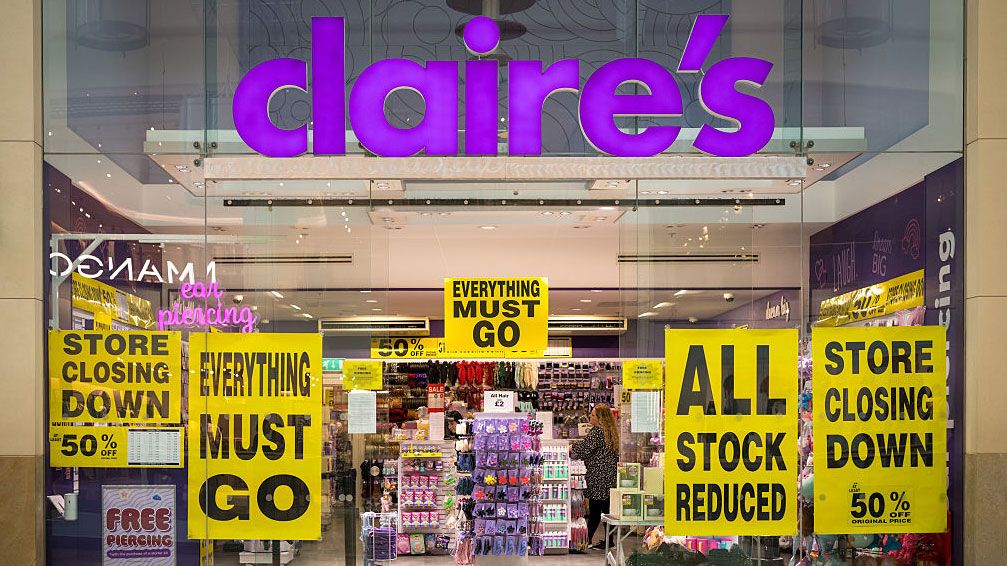
As we delve into the details of brand strategy, it’s important to acknowledge the scale of what has happened to Claire’s over the past few weeks. 154 stores have closed. 1,300 people have lost their jobs. Claire’s is not the first, and I suspect not the last, to fall victim to the collapse of the high street, and this has a real impact on people and communities.
When Claire’s first opened in the UK in 1996, it arrived in a world ready-made for what the brand represented. A time when wandering through shopping centres with no particular agenda was a common, enjoyable weekend activity. No price comparison on phones media trends. You walked into Claire's to be met with racks of shiny, glittery jewellery. The store is branded with the distinctive Claire’s purple. You knew exactly where you were.
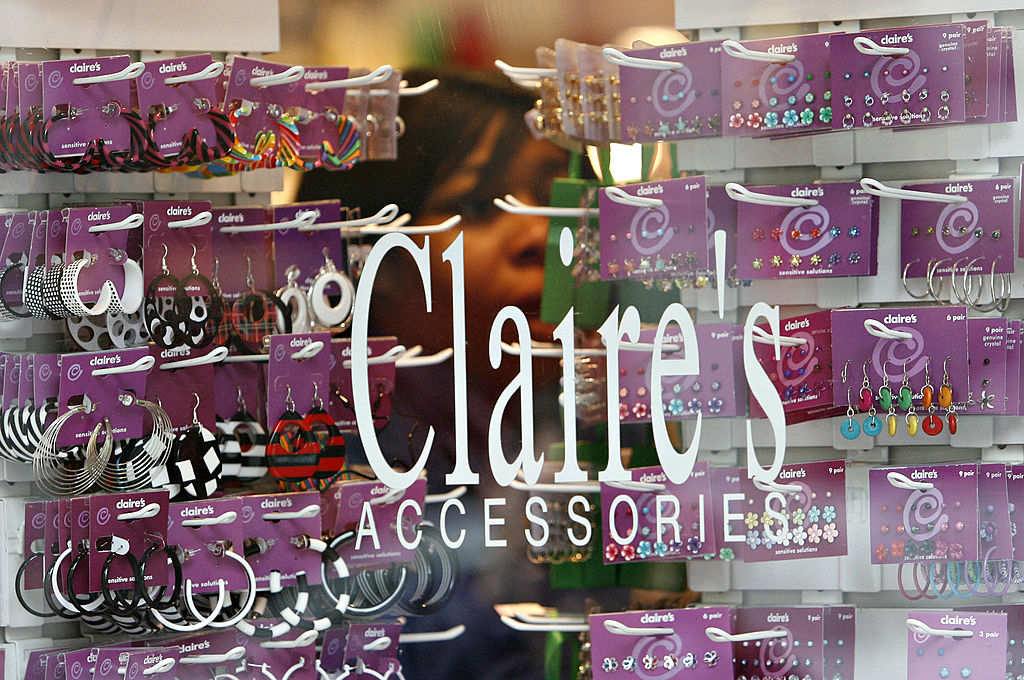
For a certain generation, Claire’s was one of the first stores where they felt at home. I remember seeing queues of parents and children ready for their ear-piercing appointment. That service became a rite of passage, a small but loaded moment that, when shared with a parent, older sibling, or best friend, forged the strongest emotional bond with the brand. .
So, in a time when we are going through such a strong trend of nostalgia and ‘core memories’, why has a chain with so much emotional power in the bank gone under? The simple answer is that while Claire has heritage, there is no guarantee that this would be inherited.
Heritage is not passive. It isn’t automatically passed down from one generation to another, especially when tweens and teens of today aren’t roaming shopping centres in the same way as their older siblings or parents did. Physical retail still appeals to younger generations, but it must behave differently from its predecessors on the high street. There’s more competition. The way younger generations shop is different. They are buying from online retailers, through social media influencers, from brands and people who are entertaining, relevant and even, to those kids, more trusted than a tired store trapped in a previous decade, once popular with their parents. The party moved on, but Claire’s didn’t follow.
Nostalgia is a tool. Not a strategy
Despite Claire’s demise, nostalgia remains one of the most powerful emotive tools a brand can have. However, it should be something that is dipped into, selectively and deliberately, to connect old emotional ties to modern cultural relevance. Harnessing its heritage as a starting point and not a resting place.
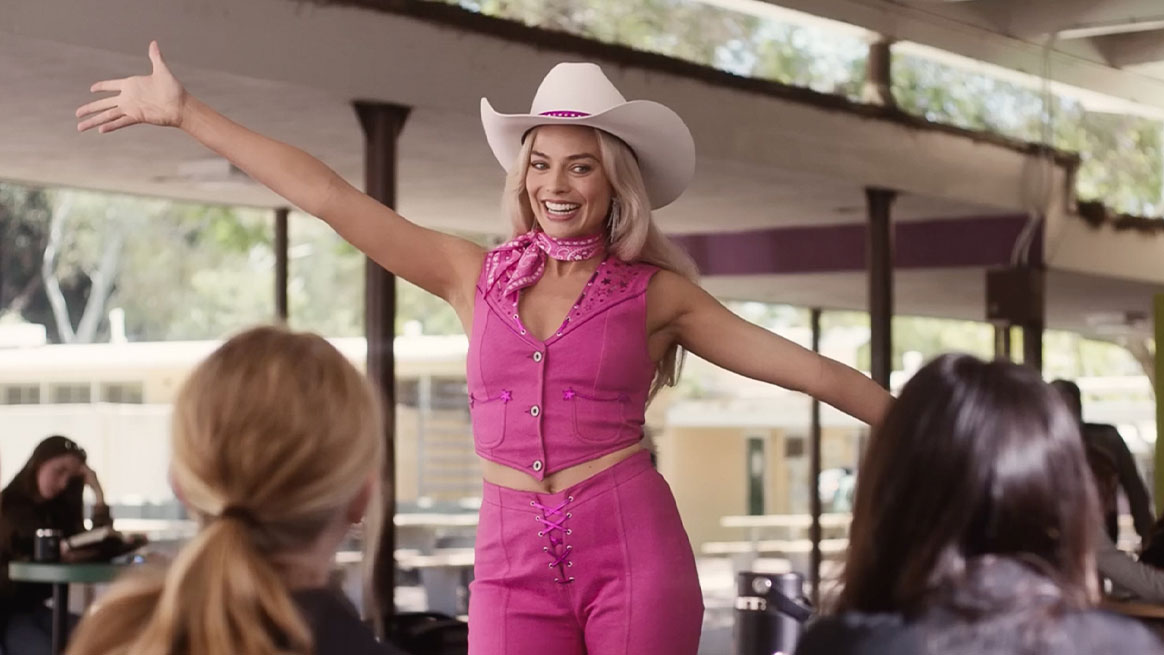
Barbie is a brand that has done this extremely well. A decade ago, Mattel executives acknowledged that the brand was at a low point in cultural relevance. Barbie was no longer seen as a role model by parents and was losing relevance among younger consumers. However, rather than leaning on nostalgia, Barbie found a new image – new body types, new values, a rethink of what the brand stood for. The 2023 film wasn’t just a throwback for grown-ups to enjoy temporarily, but a bridge to new audiences. 165 different brand partnerships, cultural conversations, sophisticated brand narratives. It resulted in a 25% jump in sales and a brilliant foundation for the next era of the brand.
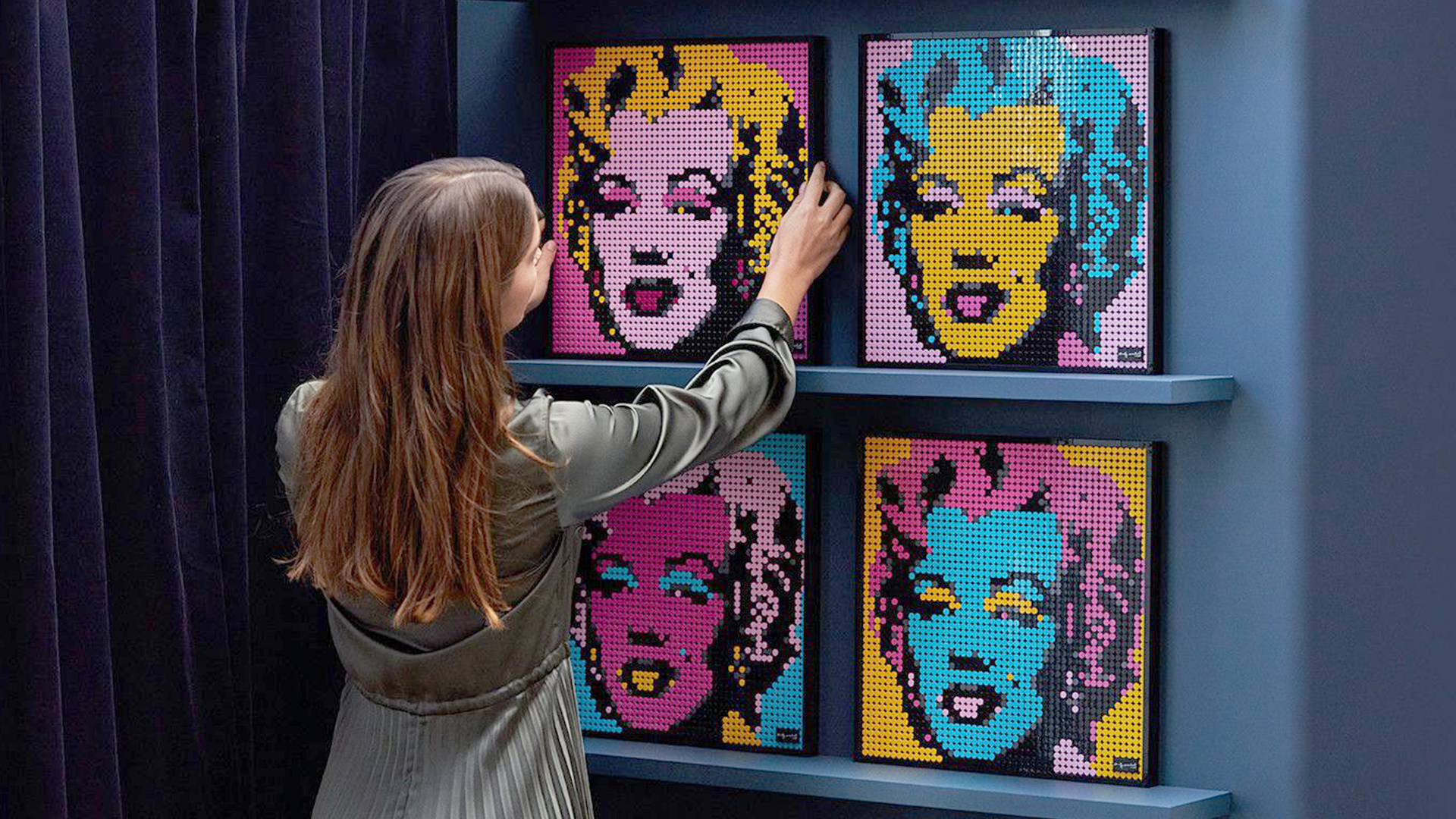
Or look at Lego. It’s hard to imagine, but the brand risked going stagnant in the early 2000s. Rather than relying on adults to hand down their love for the toys to their children, it built a new relationship with this demographic. By creating more complex, ‘grown-up’ sets made for design rather than play, it took people’s nostalgia and turned it into products to engage with on your own terms, at your own age. As a result, the adult segment now accounts for a meaningful share of total sales.
Claire’s had the same raw emotional materials as both of these. The nostalgic feel. The intergenerational bond. The distinct brand identity. It’s not even in a declining product category. Low-cost, trendy accessories are still thriving on online platforms. What Claire’s could have done better, is use the affection and attention nostalgia brings to show up in new spaces.
With news that 50 Claire’s stores are set to open in June under a new operator, I hope that it approaches things differently this time. It has the emotional resonance; it now needs the brand strategy to match. Heritage alone quickly becomes memory, and memory, as shown, doesn’t last forever.