Transport keeps businesses moving every day. Goods must reach customers safely and on time. Transport logistics requires modern technology to make each process more effective. Modern companies provide fast transportation of goods. They also reduce mistakes and lower costs. The role of technology continues to grow across every supply chain.
Many businesses now invest in Logistics Transport Management to improve planning and daily operations. Small firms and large Transport Management Companies both benefit from digital tools. Such technologies allow companies to make more informed decisions based on precise data. This results in improved services, satisfied customers, and greater development.
What Is Logistics Technology?
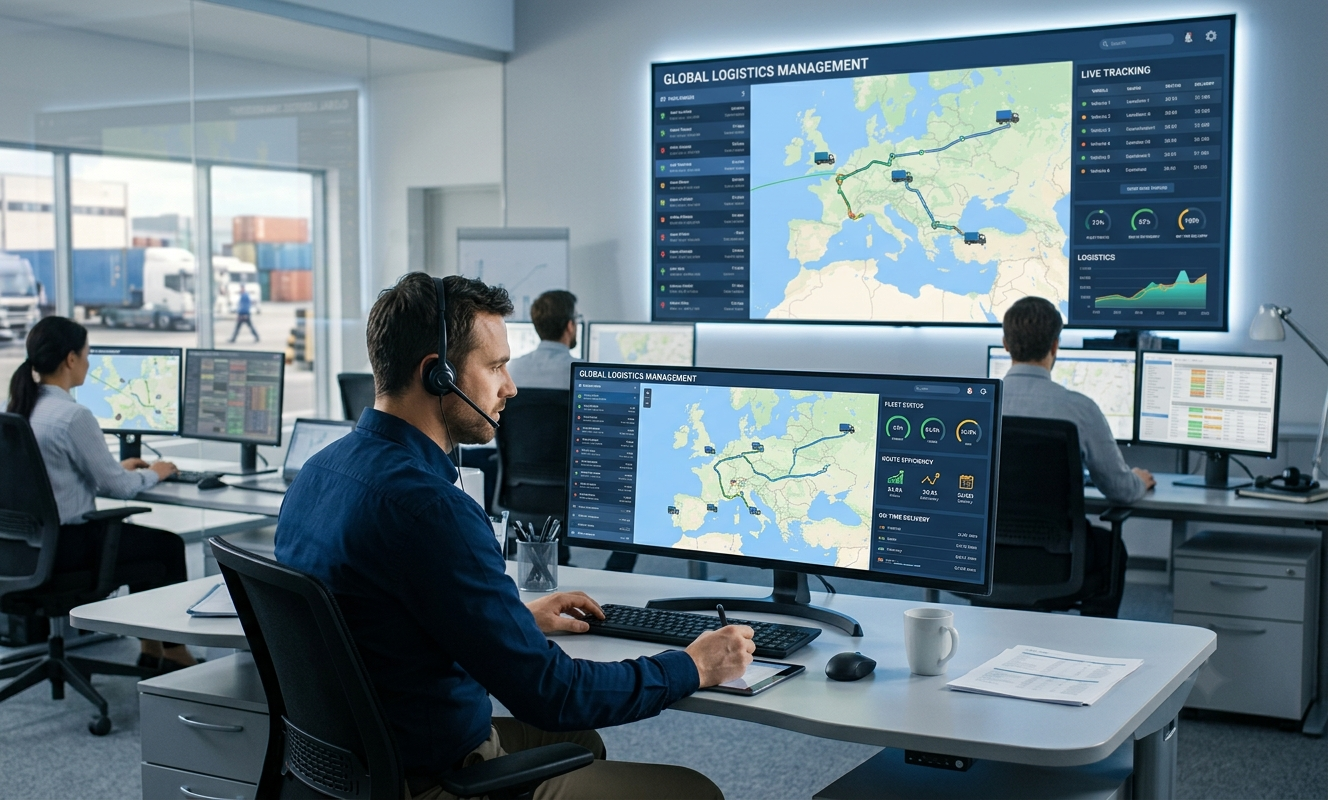
Logistics technology refers to digital devices used for organizing the movement of goods. This technology helps in controlling all logistics processes from the warehouse to the destination point. Modern software helps businesses monitor vehicles, products, drivers, and customers.
It also improves communication across the entire business. There are many logistics technologies which interact and assist companies in improving their efficiency and precision. Modern technologies become a crucial element of each successful transport business.
It supports better planning and stronger management and logistics strategies. Businesses also use management software to organise daily transport activities. The software stores information safely through effective data management. This makes every logistics operation easier to control.
Why Technology Matters in Transport Management
Transport becomes more difficult as customer demand grows. Businesses ship more products across larger areas every year. Managing these deliveries without digital systems becomes challenging. Modern logistics providers depend on technology every day.
It gives complete visibility into transport activities. Managers receive real-time data instead of waiting for reports. This allows quicker decisions during unexpected situations. Better planning helps avoid delays and unnecessary expenses. These improvements increase operational efficiency across transport networks.
Businesses also achieve higher customer satisfaction through reliable service. Technology helps companies optimize every transport task. It also helps reduce costs without lowering service quality. This is why technology plays such an important role today.
Technology Is Transforming Logistics
Digital innovation is transforming logistics around the world. It continues transforming the logistics industry every year. The logistics industry now uses smarter systems than ever before. Businesses collect information from every vehicle and shipment. This creates better transparency across daily operations.
Managers gain stronger visibility into the supply chain. These insights improve planning throughout the supply chain. Modern systems also connect every department together. This improves teamwork across logistics and supply chain management. The result is stronger supply chain visibility and better communication.
These improvements help build more reliable global supply chains. Technology also supports global logistics through connected digital platforms. This changing logistics landscape encourages businesses to keep improving. The benefits of technology continue growing every year.
Building Smarter Supply Chains
Every successful business depends on a strong supply chain. Technology helps improve supply chain management from start to finish. It supports better supply chain processes every day. Businesses can monitor supply chain operations more accurately. They also improve supply chain efficiency using modern software. This creates stronger logistics and supply chain performance.
It also improves supply chain and logistics planning. Businesses gain better control across the supply chain. These improvements strengthen logistics networks worldwide. Technology supports every stage of global supply operations. It also helps businesses manage changing customer demands.
Modern devices increase the speed of logistics and its reliability. With the development of technology, the business receives new opportunities. Now many companies depend on technology every day. This plays a crucial role in long-term business success. It also plays a pivotal role in building efficient transport systems.
Key Technologies Improving Transport Management
Artificial Intelligence Improves Decisions
Artificial intelligence helps businesses make smarter transport decisions. Many companies use AI to improve planning every day. Modern AI algorithms study large amounts of transport information quickly. They identify patterns that people may miss. This supports faster and more accurate decisions. Businesses also use machine learning to improve future performance. The system learns from past activities over time. This helps managers avoid repeated mistakes. AI also supports predictive analytics for better planning. It creates predictive forecasts using historical information. These insights improve transport scheduling and vehicle use. The result is better cost savings and fewer delays.
Real-Time Tracking Improves Visibility
Customers expect updates throughout every delivery. Real-time monitoring allows satisfying expectations. Drivers, managers, and customers receive real-time notifications. This creates better transparency during transport. Businesses also gain stronger visibility across operations. Managers respond quickly when delays happen. They adjust routes before problems become larger. This reduces waiting time for customers. It also improves delivery times and service quality. Accurate shipment updates build customer trust.
Internet of Things Connects Transport
The Internet of Things connects vehicles, equipment, and sensors. Many businesses simply call it IoT. Connected devices collect real-time data every minute. Managers monitor vehicle location and performance easily. Sensors also check temperature and product conditions. This protects sensitive goods during transport. IoT improves fleet management by tracking vehicle health. Businesses also reduce fuel consumption through smarter driving. These improvements lower operating expenses.
Automation Makes Daily Work Faster
Automation removes many repetitive transport tasks. Companies may automate booking, scheduling, and reports. Employees need to do less paperwork.They focus on more valuable activities. Automation also reduces human errors. This helps businesses streamline everyday work. It allows companies to optimize the process of logistics in all departments. This results in increased efficiency and speed of services. Many advanced technologies now support automated transport systems.
Warehouse Technology Supports Faster Deliveries
A modern warehouse depends on digital technology. Many businesses use warehouse management systems every day. These systems improve warehouse management from receiving to shipping. Products are stored in the correct locations. Workers find products much faster. This supports better inventory management. Accurate stock records reduce missing products. Faster warehouse work improves delivery performance. It also supports stronger logistics solutions for growing businesses.
Data Analytics Improves Performance
Transport businesses collect valuable information every day. Data analytics turns that information into useful insights. Managers understand trends more clearly. The company makes better data-based decisions. Companies use modern analytics to resolve transport issues. This helps improve planning and reduce waste. Better information leads to stronger business performance. It also helps businesses improve efficiency across transport activities.
Blockchain Builds Trust
Many businesses now explore blockchain technology. It creates secure and accurate transport records. Information becomes harder to change without permission. Businesses improve trust between suppliers and customers. Blockchain also increases transparency throughout transport operations. It supports safer document sharing. This reduces paperwork mistakes and delays.
Robotics Supports Warehouse Operations
Modern robotics improves warehouse productivity. Robots move products safely around the warehouse. Workers complete orders more quickly. Businesses reduce manual handling. Robotics also improves workplace safety. This helps optimize warehouse performance. Faster order preparation leads to quicker deliveries.
Digital Twins Improve Planning
A digital twin creates a virtual copy of transport operations. Managers test new ideas before making real changes. This reduces business risks. Companies improve planning with greater confidence. Digital twins help businesses prepare for future challenges. They support smarter optimizing logistics strategies.
The Future Is Already Here
Many experts believe future logistics will become even smarter. Technology continues reshape transport management every year. It is also transforming the logistics sector rapidly. Modern businesses increasingly depend on connected digital systems. These tools help logistics teams deliver better results. Technology also enhances transport planning through faster communication and better decisions. The future of logistics will rely on innovation, automation, and intelligent systems.
Benefits of Logistics Technology and Future Opportunities
Better Efficiency Across Every Operation
Modern technology helps businesses work faster every day. It removes delays and improves daily planning. Companies can improve efficiency across every transport task. This supports stronger logistics management and better results. Digital systems also streamline operations with fewer manual processes. Employees spend more time solving important problems. Businesses achieve higher productivity with less effort.
Lower Costs for Businesses
Every transport business wants to reduce spending. Technology helps lower transportation costs in many ways. Smarter planning reduces unnecessary travel. Better routes shorten journey times. Businesses also lower fuel consumption through efficient driving. Automation reduces paperwork and administrative expenses. Accurate planning prevents costly mistakes. These improvements create long-term cost savings.
Faster and More Reliable Deliveries
Customers expect quick and dependable service. Technology helps businesses meet those expectations. Real-time planning reduces delays. Drivers receive updated routes during every journey. Warehouse teams prepare orders more quickly. Better coordination improves delivery times. Customers receive products when expected. Reliable service builds stronger trust and loyalty.
Stronger Customer Satisfaction
Happy customers return to businesses they trust. Technology improves communication throughout every shipment. Customers receive updates before problems grow. Real-time information reduces uncertainty. Accurate deliveries increase customer satisfaction. Better service also strengthens business reputation. Satisfied customers often recommend reliable companies.
Better Fleet Management
Vehicles are valuable business assets. Modern fleet management systems monitor every vehicle. Managers track maintenance schedules easily. Vehicles stay in better condition. Businesses avoid unexpected breakdowns. Smarter planning increases vehicle life. These improvements support safer transport operations.
Smarter Inventory and Warehouses
Stock accuracy is important for every business. Technology improves inventory management with automatic updates. Businesses know what products remain available. Warehouse teams avoid stock shortages. Digital warehouse management systems reduce picking errors. Faster warehouse work supports quicker deliveries. This improves the entire transport process.
Improved Supply Chain Performance
Technology connects every part of the logistics and supply chain. Teams share information more quickly. Managers gain better supply chain visibility every day. This improves planning across different locations. Businesses strengthen supply chain efficiency through better coordination. Problems are identified before they become serious. These improvements support reliable business growth.
Helping Logistics Companies Stay Competitive
Today's logistics companies face growing competition. Customers expect faster service and lower prices. Technology helps businesses meet those demands. Modern logistics providers improve planning using digital tools. They also deliver more accurate services. Businesses become more flexible during changing market conditions. This creates stronger long-term success.
The Rise of Autonomous Vehicles
Many experts expect autonomous vehicles to shape future transport. These vehicles may reduce driver fatigue. They could improve road safety over time. Businesses may lower operating costs. Although adoption remains gradual, development continues. This technology could transform transport management further.
Technology Supports Better Decision Making
Good decisions require accurate information. Digital systems provide useful business insights. Managers review performance using reliable reports. Data supports faster responses during disruptions. Businesses plan with greater confidence. Technology helps leaders improve future strategies.
Preparing for the Future
The transport industry continues changing quickly. Businesses must adapt to remain competitive. New digital tools appear every year. Companies investing in innovation often perform better. Technology will continue improving transport management. Those embracing change will gain lasting advantages.
The Future of Transport Management
Modern businesses cannot ignore digital innovation. Technology plays a pivotal role in improving transport management. It helps businesses deliver faster and work smarter. It also supports better decisions every day. From AI to IoT, every solution offers clear value. These technologies like automation and analytics improve business performance. They also strengthen every logistics operation.
Digital tools improve logistics and supply chain management from start to finish. Businesses gain better visibility into the supply chain. This improves planning throughout the supply chain. Companies also build stronger relationships across partners and customers. Modern technology helps optimize transport activities. It improves logistics processes while reducing delays.
Businesses also lower transportation costs and improve reliability. These improvements support stronger supply chain operations. Technology creates smarter logistics solutions for every business size. It also supports better management systems and planning. Every business benefits from stronger operational efficiency. Modern software improves data management and reporting. It also helps businesses manage global supply challenges.
Digital tools strengthen global supply chains through better communication. They improve planning across global logistics networks. Technological innovation allows businesses to respond faster to shifts in consumer preferences and demands. It increases the security and efficiency of shipping. The future of logistics will depend on innovation and connected systems. Businesses investing in modern tools will stay competitive. They will improve service while lowering costs. With ongoing technological development, logistics and transport management will be growing smarter and smarter.
Final Thoughts
Modern technologies constantly influence the process of transportation. Companies depend on technological innovations more and more nowadays. Technologies help companies with planning, shipping, and customer care. They reduce losses and increase productivity. Leading Transport Management Companies use advanced digital solutions to streamline operations, improve efficiency, and deliver better customer service. That is why logistics technology remains essential for modern transport management.