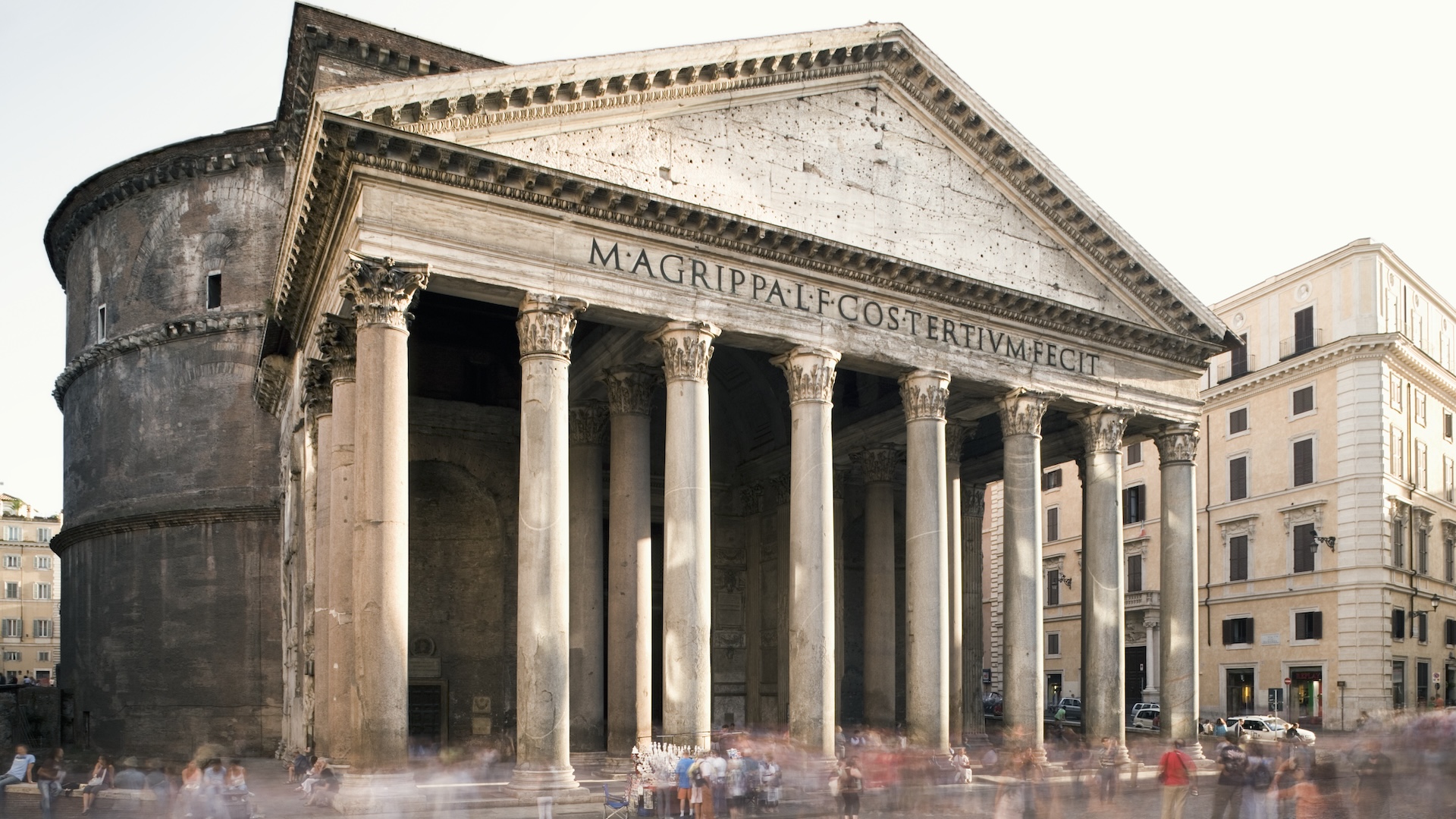
Nearly two millennia after the height of the Roman Empire, some of its structures are still standing. These marvels have stood the test of time, including the Pantheon in Rome; the Roman aqueducts in Segovia, Spain; and the Roman baths in England.
The longevity of these structures can be attributed largely to Roman concrete. But what makes Roman concrete so special? What is it about this material that has allowed structures to stand for thousands of years?