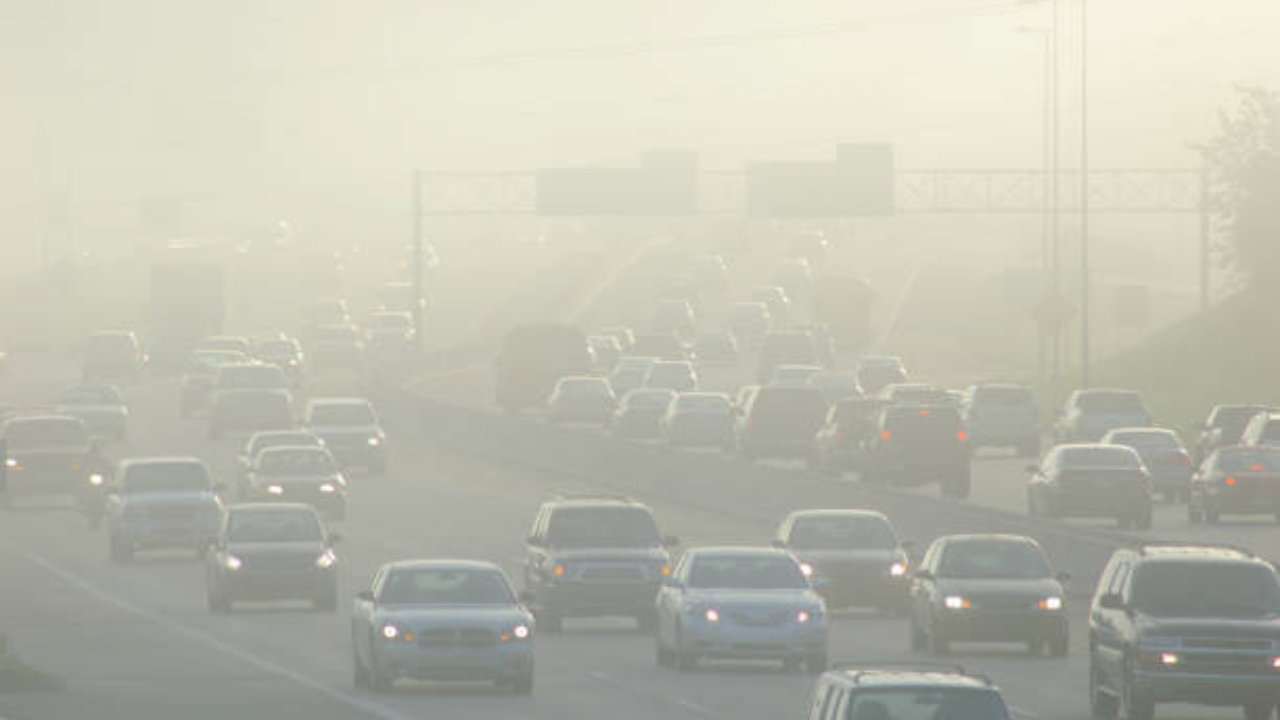
Air pollution impacts over 99% of the global population, according to WHO linking it to a 20% rise in respiratory diseases.
There is no bigger health problem in the world today than air pollution. An individual inhales particulates such as PM2.5, and PM10 as well as nitrogenoxide (NO₂) and ozone (O₃), leading to many diseases in the human body. Understanding its effects on the broad levels of life is a major professional health concern; there is a need to work to protect public health from the consequences of these pollutants.
The Respiratory System
The respiratory system is by far the organ that suffers most from air pollution. Fine particulate matter permeates down into the spaces in the alveoli, where it results in inflammation, oxidative stress, and impaired function. Chronic exposure to pollutants such as sulfur dioxide and carbon monoxide may result in asthma, bronchitis, and chronic obstructive pulmonary disease (COPD), among other conditions. The risk for lung cancer is significantly increased with exposure to carcinogenic compounds, especially polycyclic aromatic hydrocarbons. Along with that, airborne pollutants also hinder the ciliary movement of the respiratory tract, which compromises the body's natural defense against infections such as pneumonia and acute respiratory distress syndrome (ARDS).
Broader Impacts on the Human Body
Sometimes the particulates may penetrate the blood and cause systemic inflammation and endothelial dysfunction, which often leads to different types of cardiovascular diseases, hypertension, myocardial infarction, and strokes. Increased neurological effects have been evidenced by emerging studies linking air pollution and neurodegenerative diseases like Alzheimer's and Parkinson's because of neuroinflammation and oxidative stress. Furthermore, exposure is related to less-than-happy fetal development and higher susceptibility as a result of compromised immunity.
To reduce health risks from air pollution, personal as well as collective actions should be taken. Individual actions comprise wearing masks and using air purifiers. Comprehensive actions include putting up stringent rules on emissions, adoption of renewable energy, and afforestation within the cities. This way healthcare professionals and policymakers can join in combating this silent epidemic for a brighter future.
Dr. Ravi Kesari, MD - Physician, General Physician, Apollo Spectra Hospitals, Bangalore